

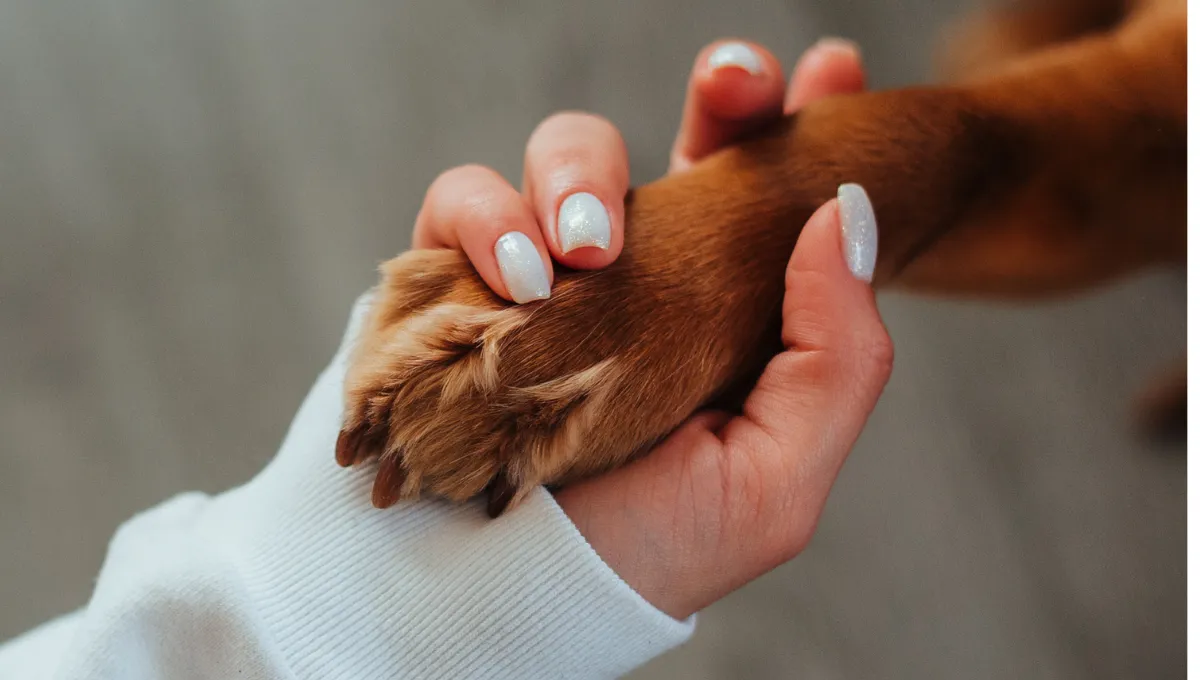
Courtney Short lost her dog Lilly in Kansas more than five years ago. She never stopped hoping.
Last week, a shelter scan changed everything.
How Lilly Was Found
Lilly was brought into a Kansas shelter as a stray. Staff scanned her for a microchip as part of standard intake procedure.
The chip was there. The registration was current. Courtney’s number came up, and she got the call she had been waiting five years to receive.
As KMBC reported on Lilly’s five-year reunion, the moment after five years apart was exactly what you’d expect from a dog who finally found her way back.
Nobody knows where Lilly spent those five years. That question may never have an answer.
What Actually Made This Possible
Lilly’s story is really two things at once. A reunion story. And a microchip story.
The chip was implanted years ago, before Lilly went missing. But the detail that matters most is that Courtney kept the registration current. An implanted chip with outdated contact information would have shown a number that no longer worked.
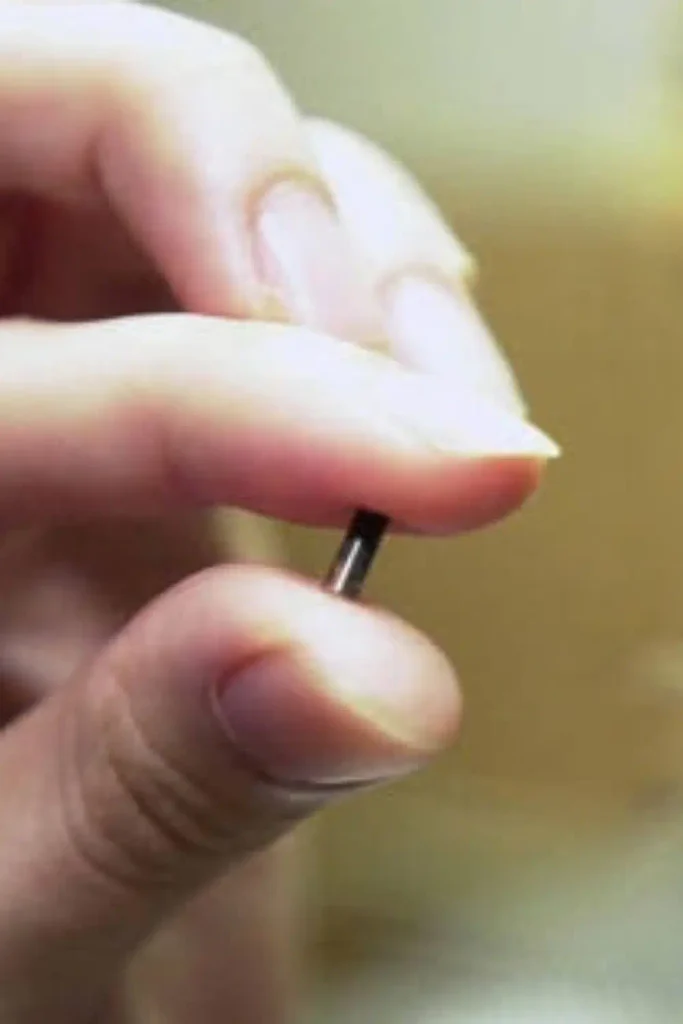
The scan worked because the registration worked.
Microchipping matters in every kind of emergency. When two dogs were rescued from a Tempe canal, it was their microchips that reunited them with their family after the rescue, same principle, different situation.
Why This Is Rarer Than People Think
Five years is a long time. Most lost dogs are never found.
According to AVMA’s reporting on the JAVMA microchip study, a study of more than 7,700 stray animals found that dogs without microchips were returned to their owners 21.9% of the time, while microchipped dogs were returned 52.2% of the time.
The most common reason microchipped animals were not reunited with owners was incorrect or missing registration information.
Bear, a golden retriever from Illinois who survived three days near a flooded river, made it home because his family refused to stop searching. Lilly’s family did the same, for five years.
Why This Matters
The gap between microchipped and actually findable is one registration form.
Shelters scan every stray that comes in. The chip either connects to a current number or it doesn’t. If you moved, changed your phone, or never registered in the first place, the scan goes nowhere.
Jet, the dog who ran loose across a Naples Airport tarmac, had no chip at intake. A two-day hold was all that stood between him and permanent separation from any chance of going home.
Lilly’s story ends well. Many that start the same way don’t.
Key Takeaways
- Lilly was found as a stray in Kansas more than five years after going missing and reunited with owner Courtney Short.
- A microchip scan at the shelter made the reunion possible.
- The chip worked because Courtney’s registration information was current.
- Microchipped dogs are returned to owners 52.2% of the time vs 21.9% for unchipped dogs.
- An unregistered or outdated chip cannot bring a pet home.
Five Years Later, She Came Home
Nobody knows what happened between the day Lilly went missing and the day she walked into that shelter.
What matters is that when she did, there was a number to call.
Have you checked whether your dog’s microchip registration is up to date? Most people do it once and never again. Tell me in the comments, and follow Furry Found on X and our Facebook page for more stories like this.
Disclaimer: This article is for informational purposes only. Details are based on public reports and may change.
[…] owner is still looking. The drone team is still flying. Dogs do come home after long absences. Lilly, a Kansas dog, was found as a stray and reunited with her owner five years after going missing. The search is […]