

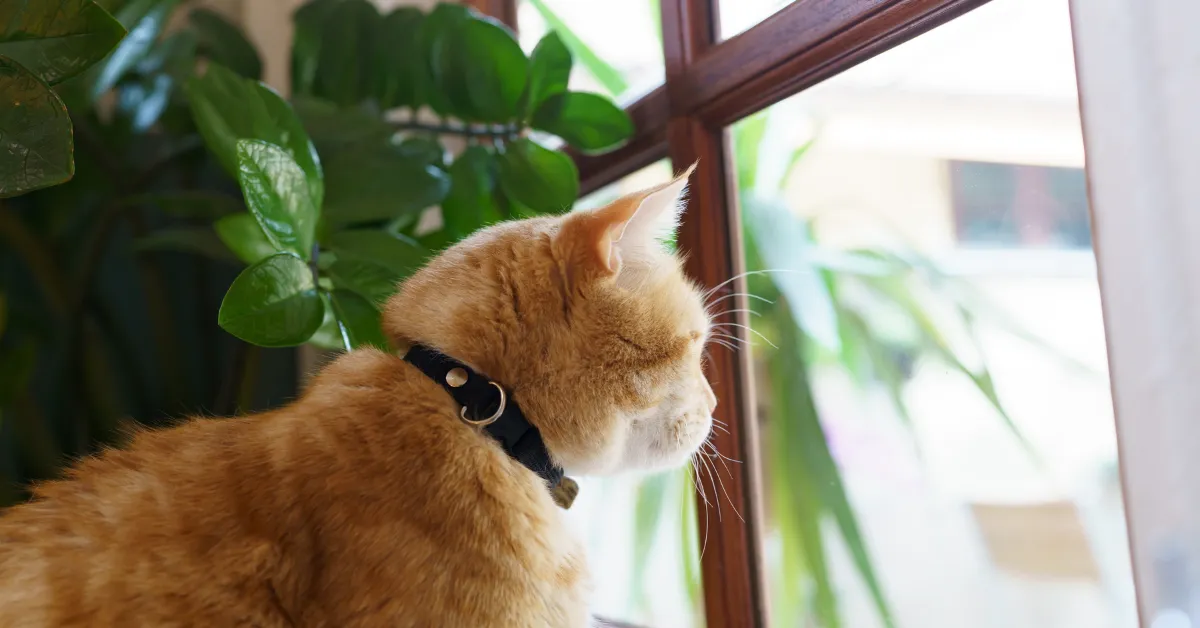
Most cat owners have asked this at some point. You have a trip coming up, a long shift ahead, or a weekend away. You know cats are independent. But how long is actually fine, and when does it become a problem?
The answer depends on your cat, and it is shorter than most people think.
The General Timeframes
Healthy adult cats can typically handle being alone for 8 to 12 hours, according to PetMD. Some veterinary guidance pushes that window to 24 to 48 hours maximum for an adult cat in good health, as long as food, water, and a clean litter box are available.
Kittens under four months old are a different situation. They need feeding every few hours and should not be left alone for more than four hours at a stretch.
Senior cats and cats with health conditions fall somewhere in between. The more dependent a cat is on medication, monitoring, or routine, the shorter that window gets.
These are general guidelines, not a ceiling to push against. Cats do not experience time the way people assume. They are not necessarily fine just because they are cats.
Why This Matters
Independence is not the same as indifference. Research published in PLOS ONE found that 13.5% of cats in a study of 223 animals showed signs of separation-related problems, including destructive scratching, excessive vocalization, and urinating outside the litter box. Cats with no other animals at home and no toys were at higher risk.
The sign most people miss is behavioral change after you return. A cat that greets you too loudly, eliminates outside the box, or seems withdrawn may not be “acting out.” It is showing you the alone time was too long. These are the same stress signals seen in cats that have never fully learned to trust the people around them.
What Helps When You Cannot Be There
Longer absences do not have to mean an anxious cat. A few things make a real difference.
Enrichment matters more than most owners realize. Puzzle feeders, window perches, and rotating toys give a cat something to engage with while you are out. A cat with nothing to do in an empty home is more likely to develop stress behaviors than one with an environment that works for them.
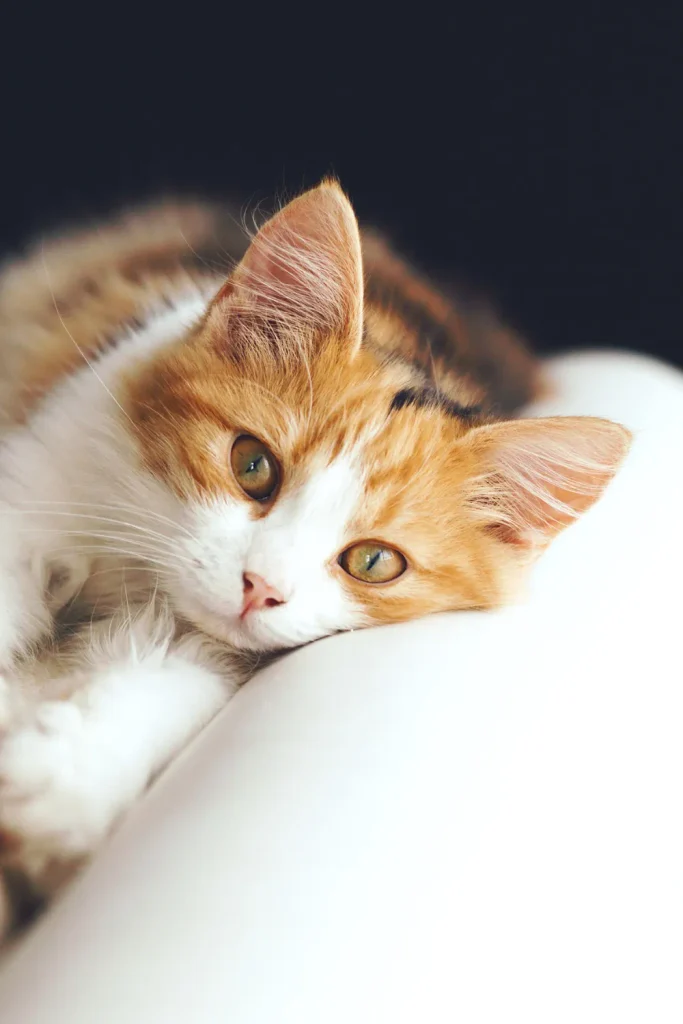
A second cat helps some cats and stresses others. If yours has always been solo, adding a companion is a bigger decision than it sounds. If they already share space with another pet, that presence genuinely helps during long absences.
For trips beyond 24 hours, a cat sitter is worth arranging, not just for food but for actual interaction. These foster care tips from LA rescues cover how to keep cats calm without their primary caregiver, and the same principles apply when setting one up.
StudyFinds covers what vets and researchers say about all of this, including how temperament and age shift the safe window.
Conclusion
What does your cat do when you come home after a long day? Drop it in the comments. How a cat greets you after hours alone tells you a lot about how they actually handled it.
For more cat care guides like this, follow Furry Found on X and Facebook, and visit Furry Found for more.
This article is for informational purposes only.