

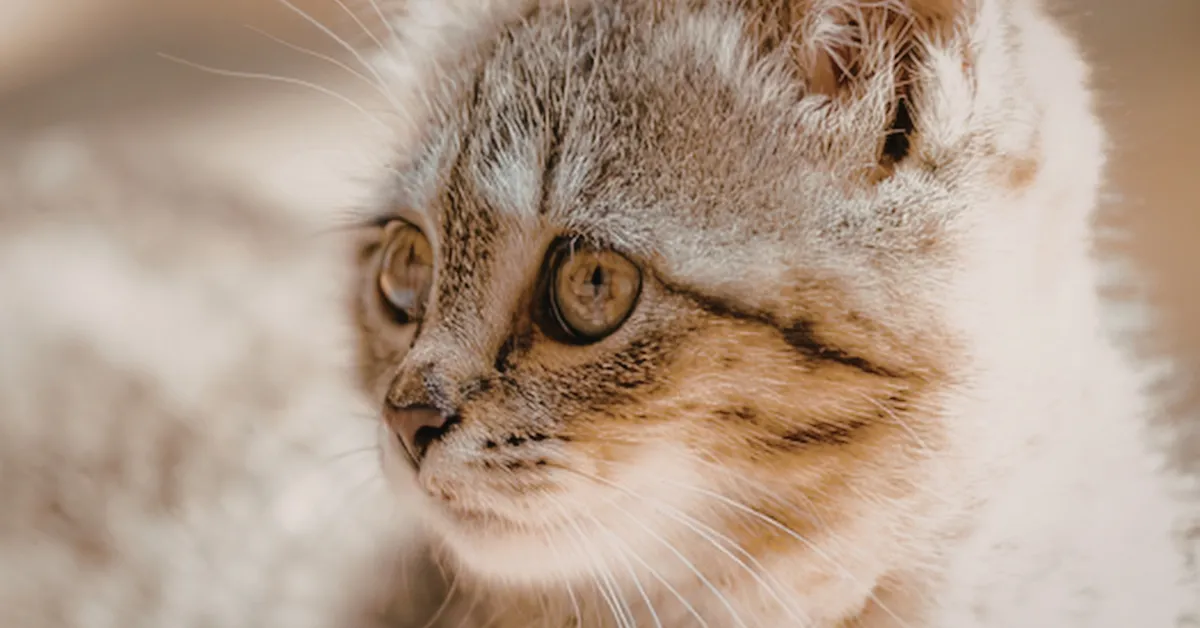
A 6-week-old kitten was found submerged in a vat of industrial glue, unable to eat, drink, or properly care for himself. Today, he has a name, a home, and a story that almost didn’t happen.
A good Samaritan brought the kitten to the Humane Society of North Texas after finding him covered from ear to tail in adhesive. “We immediately sprung into action. We didn’t even ask questions. We were just like, ‘Let’s go!'” said Cassie Davidson, the shelter’s senior director of communications.
Here’s What the Rescue Team Was Actually Dealing With
The kitten, who staff would later name Elmer, arrived severely dehydrated. The glue had hardened across most of his body, pinning his fur down so tightly that he couldn’t groom, drink, or move normally.
Shelter staff didn’t wait for a plan. They got to work the same hour he came through the door, trying different approaches before landing on one that actually worked without hurting him further.
Here’s why this story matters more than it seems
Glue is one of the most overlooked dangers pets face, and it’s rarely this dramatic. Most cases don’t involve a vat, they involve a simple rodent glue trap left in a garage or shed.
Animal welfare reviewers have found that a large majority of animals caught on glue traps suffer significantly before anyone finds them, and small pets are just as vulnerable as wildlife.
Elmer isn’t the only kitten who’s turned up somewhere he shouldn’t be. Tiny Tim was found in a dumpster far from home and made it out just as unexpectedly.
Why Canola Oil Was the Fix, and Not Something Stronger
Vets and shelters use cooking oil because it breaks adhesive bonds gently, without burning skin. Four staff members massaged nearly two gallons of canola oil into Elmer’s fur over seven hours, wrapping him in gauze between sessions to let the oil keep soaking in while he rested and ate.
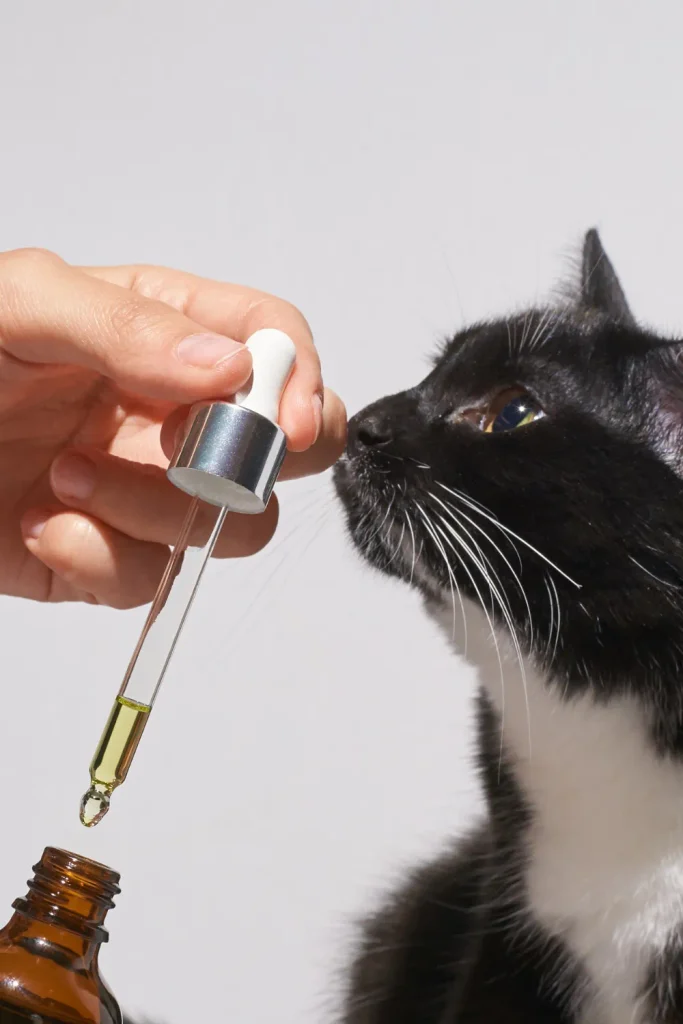
It’s generally advised to avoid acetone, paint thinner, or hot water on a glue-covered animal, since those can irritate skin or harm a pet that licks itself clean afterward. When in doubt, a vet is the safest call, especially with something industrial-strength like what Elmer was covered in.
Patience matters here too. Rushing the process, or trying to speed things up with a stronger product, is usually what turns a messy situation into a painful one.
If This Ever Happens to Your Pet, Here’s What Actually Works
Don’t try to peel dried glue off. Apply any kitchen oil, canola, olive, even coconut, and let it sit a few minutes before working it loose. Go slow, and never use scissors near the skin, it’s easy to nick fur-covered skin you can’t fully see.
Bathe with pet-safe shampoo afterward to clear the remaining residue. And if the glue is anywhere near the eyes, nose, or mouth, skip the home remedy entirely and call a vet.
A small, calm pet is far easier to work with than a stressed one, so keep the room quiet and take breaks if your pet needs them.
Now Here’s the Part Most Coverage Missed
Elmer was adopted in May by the same foster who first cared for him. She’d recently lost her husband to cancer, and caring for Elmer brought what she described as comfort, joy, and connection back into her life.
It’s the kind of ending that rarely makes the original headline, but it’s the part that actually matters most. Stories like this tend to end the same hopeful way, much like a cat that survived being thrown from a moving car and later found a home too.
Has your pet ever had a close call like this? Tell me in the comments, I’d love to hear how it turned out.
For more real pet-rescue stories like this, follow Furry Found, and catch us daily on X and our Facebook page too.
Disclaimer: This article is for informational purposes only.