

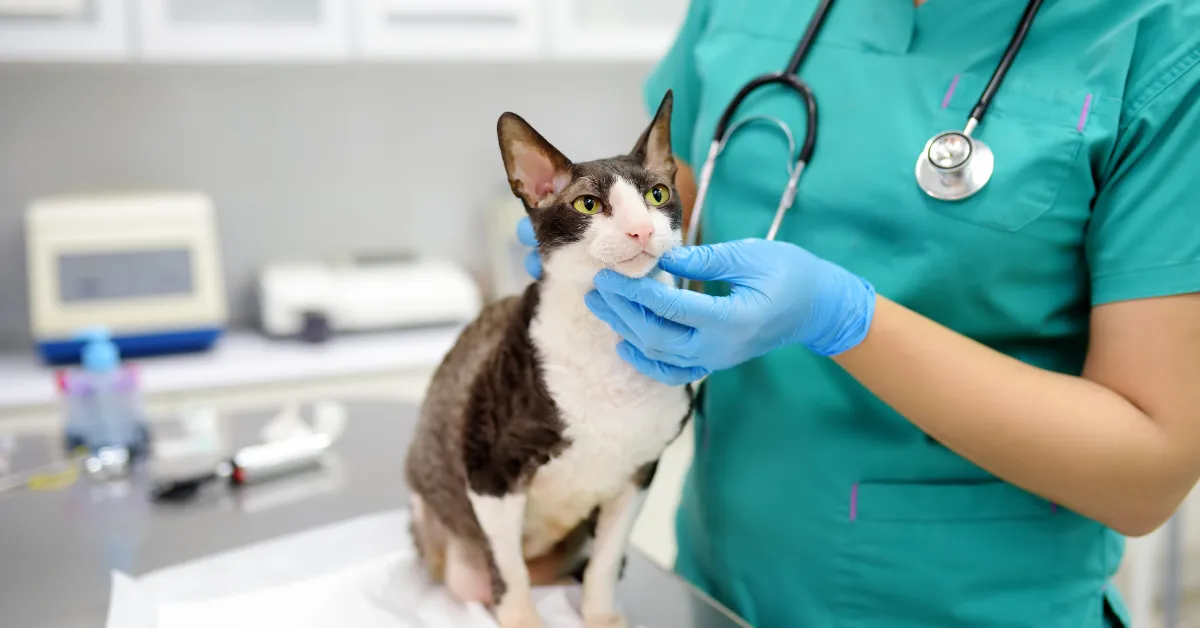
There are now oral medications that can treat diabetes in cats without a single needle. No injections, no twice-daily insulin routine. But there is one catch that most cat owners do not hear about until it is too late.
If your cat has already received insulin, these drugs are off the table.
What These Drugs Are
The medications are called SGLT2 inhibitors. Two are currently in use for cats: Bexacat, which comes as a tablet, and Senvelgo, which is a liquid. Both are flavored, given once daily, and require minimal monitoring compared to insulin.
They work by acting on the kidneys to allow excess sugar to pass out through urine rather than staying in the bloodstream. The result: blood sugar comes down without injections, and the risk of dangerously low blood sugar from an overdose is much lower than with insulin.
Dr. John de Jong, President of the World Veterinary Association, addressed this directly in response to a cat owner whose eight-year-old cat was newly diagnosed with diabetes. His advice was clear: if insulin has not yet been started, SGLT2 inhibitors are worth considering, and in some cases may even lead to remission.
The Window That Closes Fast
This is the part that matters most.
SGLT2 inhibitors can only be used in cats that have never been given insulin. Once a cat starts insulin treatment, this option is gone. That makes the first conversation with a vet after a diabetes diagnosis more important than most people realize.
According to Cornell University’s Feline Health Center, SGLT2 inhibitors show more than 80% effectiveness at improving blood glucose control in appropriate patients. The right candidate is a cat that is eating and drinking well, has no significant kidney disease, and shows normal ketone levels with no other complications.
The risks are real but manageable. Some cats experience diarrhea, vomiting, or weight loss. More rarely, diabetic ketoacidosis can develop, which is serious and requires immediate veterinary attention. These are not drugs to start without a proper exam and bloodwork.
What Cat Owners Should Know Now
Feline diabetes is more common than most people expect. Cornell estimates that between 1 in 100 and 1 in 500 cats will be diagnosed with diabetes at some point, and obese cats face up to four times the risk.
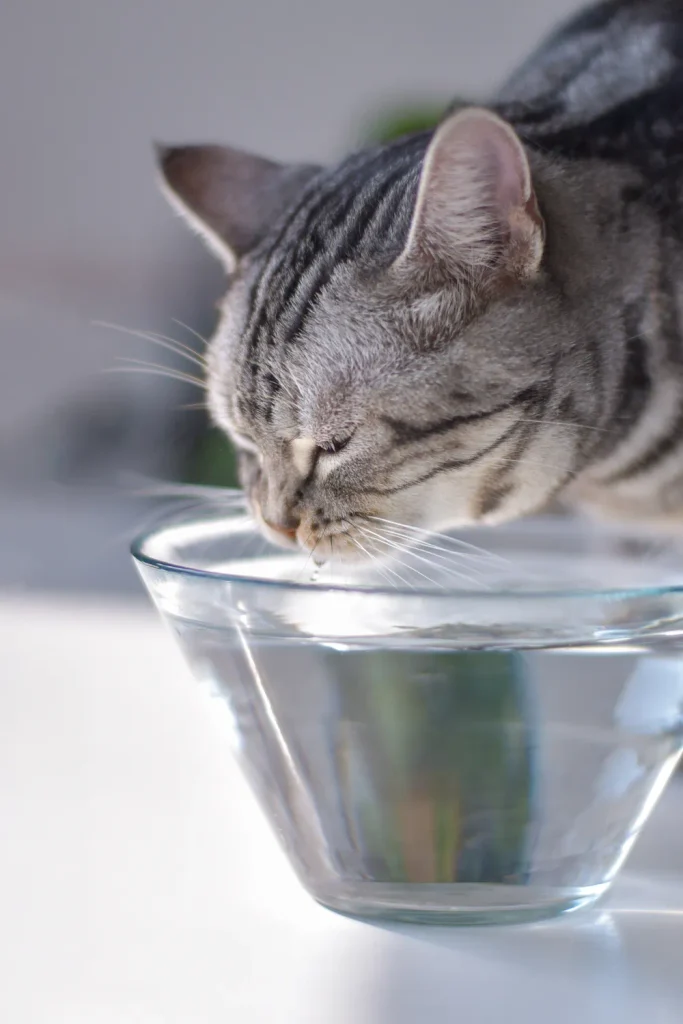
The signs are easy to miss at first: more water, larger litter clumps, weight loss despite a normal appetite. By the time most owners notice, the cat has often been diabetic for weeks.
Cats are good at hiding that something is off, which is part of why a Vermont town only found out an unvaccinated cat had rabies after it had already died, a reminder of how quickly an undetected condition can turn critical.
If your cat is newly diagnosed and has not yet started insulin, ask your vet specifically about SGLT2 inhibitors before any treatment decision.
If your regular vet has limited experience with them, Dr. de Jong suggests a specialty veterinary hospital. The window does not stay open once insulin begins.
Diet matters too, regardless of which path is chosen. A low-carbohydrate, high-protein diet is standard alongside any diabetes plan. Cornell researchers have shown that cats can develop conditions most owners never expect, which is exactly why catching things early matters.
Conclusion
Has your cat ever been diagnosed with diabetes? Drop your experience in the comments below. Whether you went the insulin route or tried something else, these stories help other owners figure out what questions to ask.
For more cat health news and stories, follow Furry Found on X (Twitter) and Facebook, and visit Furry Found for more.
This article is for informational purposes only.
[…] dealing with conditions like diabetes can show subtle changes in their daily habits that are easy to miss, and grooming is often one of the first things that […]