

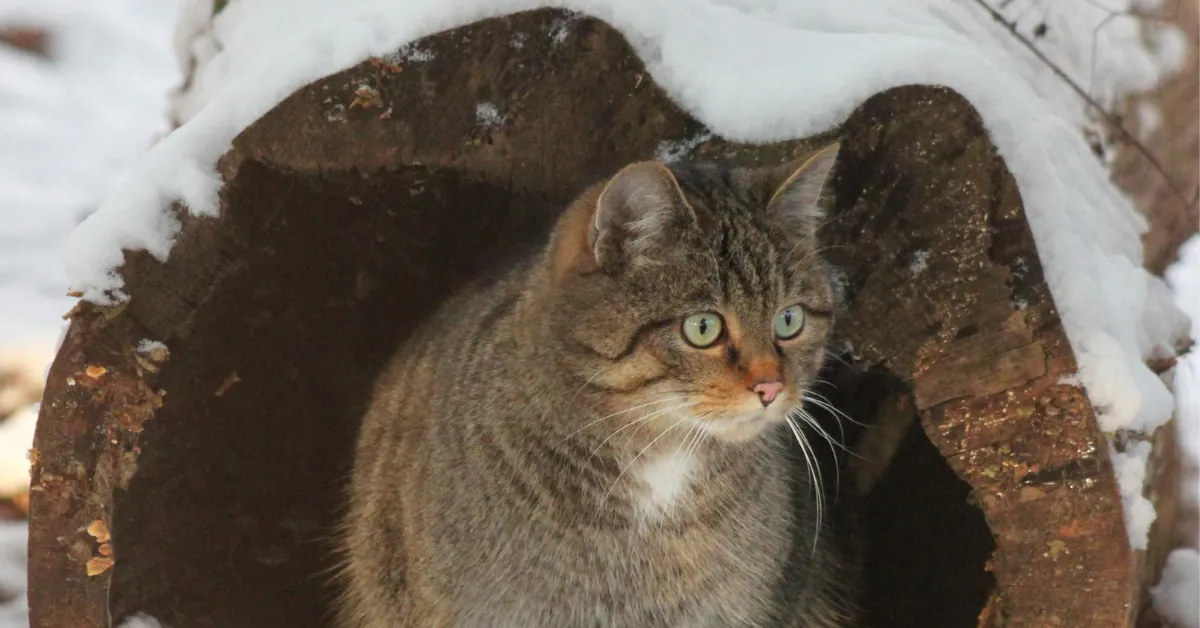
If you have ever lined a winter shelter for an outdoor cat with an old blanket or towel, you probably thought you were helping. It makes sense. Blankets keep people warm, so why not cats?
Here is the problem. That blanket is likely making the shelter colder, not warmer.
Why Blankets Fail in Winter Shelters
Blankets, towels, and hay all share the same flaw: they absorb moisture. When a cat comes in wet from snow or rain, or when condensation builds up inside a small enclosed space, that material soaks it up. A wet blanket pulls heat away from a cat’s body instead of holding it in.
The shelter starts to feel like a damp, cold box. Which is exactly what you were trying to prevent.
What to Use Instead
Straw is the right material, and the difference matters more than most people realize. Unlike blankets, straw repels moisture and retains warmth even when conditions outside are wet. It stays dry, it insulates, and it does not pack down and lose its effectiveness the way fabric does.
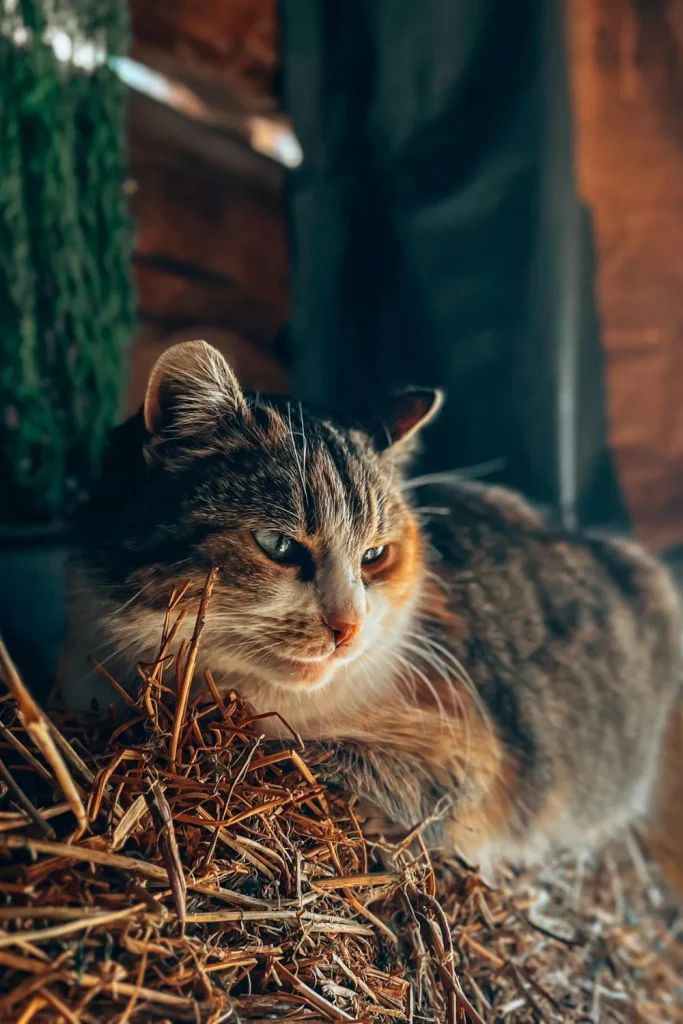
Alley Cat Allies specifically lists blankets and towels as materials to avoid in outdoor cat shelters, recommending straw as the insulation of choice, sometimes layered with a mylar blanket underneath for added heat retention. Straw is available at most farm supply or garden stores, usually for just a few dollars a bale.
What Else Gets the Shelter Wrong
The material inside is only part of the equation. Shelter size matters too. A space that is too large does not hold heat. A cat’s body warmth disperses before it can warm the space, so the recommended size is roughly two feet by three feet, with a doorway just big enough for a cat.
The entrance direction matters as well. A door facing into the wind defeats the whole point. Position it away from the prevailing wind, and elevate it a few inches off the ground so water does not pool inside.
Catster notes that below 45 degrees Fahrenheit, cats can begin showing early signs of hypothermia, which means a shelter that fails on insulation is not just uncomfortable. It is a health risk.
And for outdoor and community cats, the risks in winter go well beyond temperature. A Vermont town only learned an outdoor cat had a fatal illness after it was already too late, which is a reminder that keeping an eye on the cats using your shelter matters as much as building it right.
Water access is another thing people overlook. A bowl left outside overnight in freezing temperatures is solid ice by morning. Heated electric bowls or frequent checks are the only real fix.
And if a cat comes in soaking wet, knowing how to handle a wet cat safely can make a difference in how quickly they warm back up.
For people managing a colony, the shelter setup is also part of a larger picture. The legal and practical questions around community cats on someone else’s property come up every winter when cats need to be relocated or when access to a shelter site changes suddenly.
Conclusion
Have you built or set up a winter shelter for an outdoor cat? Drop what worked for you in the comments below. A lot of people are figuring this out for the first time as temperatures drop.
For more cat care and rescue stories, follow Furry Found on X (Twitter) and Facebook, and visit Furry Found for more.
This article is for informational purposes only.