

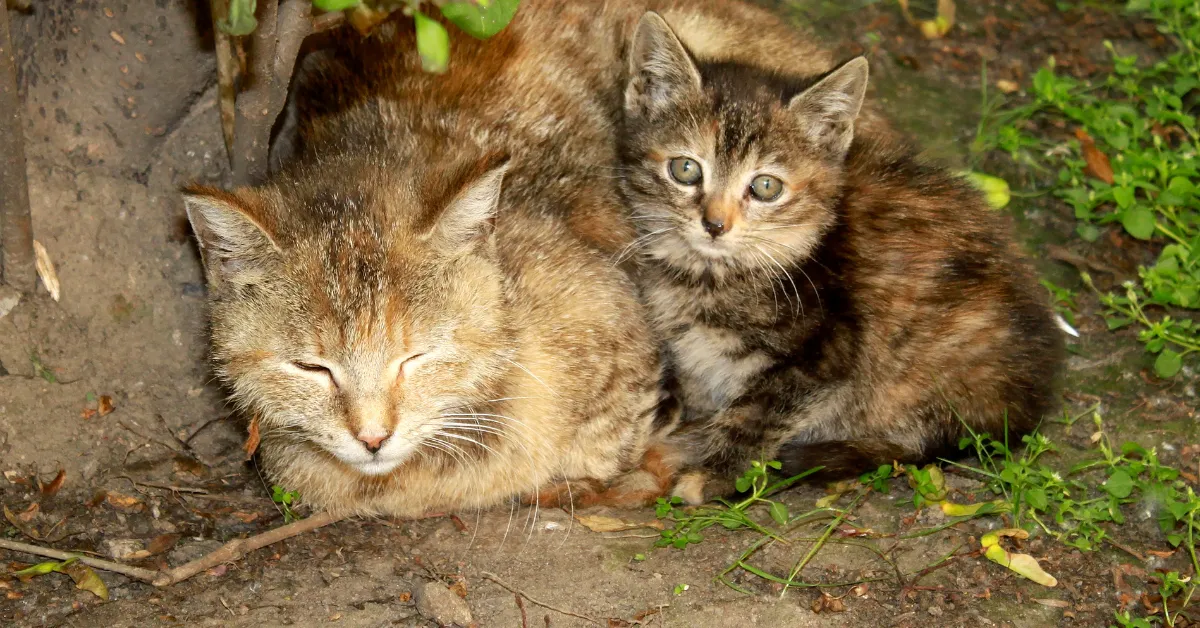
A feral cat colony near Central Christian Church in downtown San Antonio is at the center of a dispute that has animal advocates asking a pointed question: is relocating feral cats miles from their home actually legal under Texas law?
The short answer may surprise people who assumed moving cats was the humane middle ground.
What Happened at the Church
Blake, CFO of Bear Den Sanctuary, discovered that feral cats, including a blind mother cat and her kittens, had been trapped on the church property and relocated miles away.
When Blake pressed the church on what happened to the animals, the response was that they were not killed. “She said, ‘No, no, we are not killing them. We’re just taking them out of the church and taking them miles and miles away,'” Blake recalled.
The church stated the cats were “humanely handled” and that it was “finding the stray cats a home,” but did not specify where they were taken or how that was being arranged.
The blind mother cat is now at Bear Den Sanctuary. Her kittens are in foster care. Other cats from the colony remain unaccounted for.
Why This Matters
Blake called the relocation a “death sentence.” That framing is not dramatic. It is consistent with what animal welfare organizations have documented for years.
According to Alley Cat Allies, community cats bond strongly to their outdoor territory. When relocated, they often attempt to return and can die in the process. Relocation does not solve the population problem, it just moves it, and leaves the cats worse off in the process.
Texas law adds another layer. The state prohibits “unreasonably abandoning an animal in a person’s custody,” and that includes stray and feral cats. Violations start as a Class A misdemeanor and can escalate to a state jail felony for repeat offenses. Simply transporting cats miles away and leaving them does not satisfy legal TNR requirements, which call for returning cats to their original location.
What the San Antonio Feral Cat Coalition Does Differently
The San Antonio Feral Cat Coalition has worked on TNR efforts in situations like this. Proper TNR means trapping, neutering, and returning cats to the colony they came from, not dropping them somewhere unfamiliar and hoping for the best.
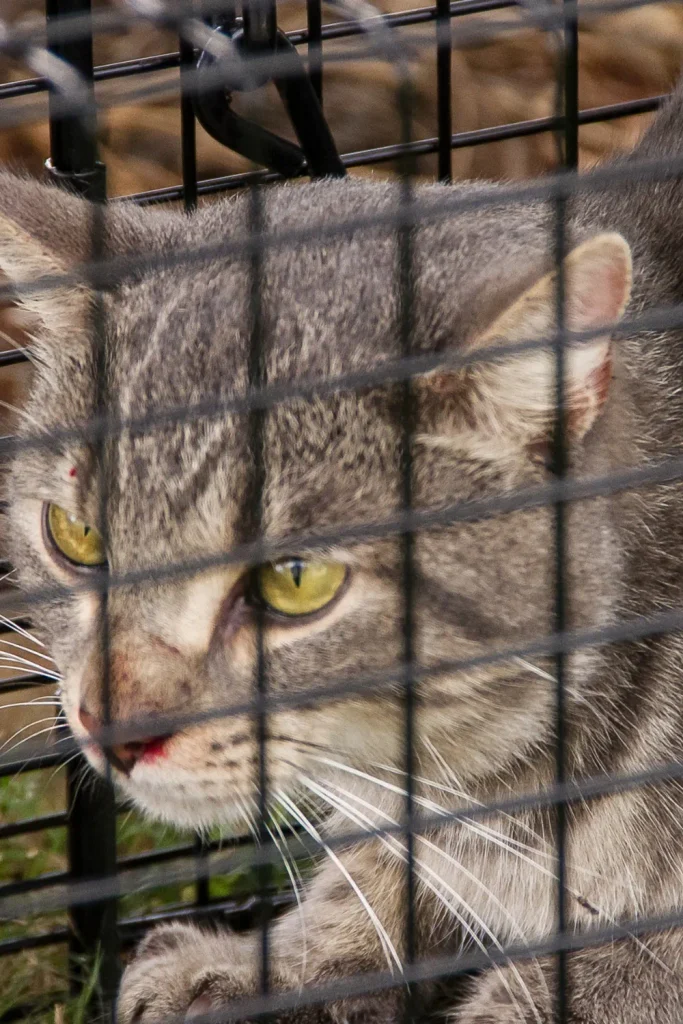
When a church or property owner has legitimate concerns about cats near a childcare facility, those concerns are worth addressing. Fox San Antonio covered how this situation unfolded and what both sides said. But the path forward is usually a managed colony with a caretaker, not relocation. Relocation creates the vacuum effect: remove cats from a territory and new cats move in to fill the space.
The cats at Central Christian Church were already there. A managed approach keeps the population stable without exposing animals to the risks of being dropped into unknown territory with no food source, shelter, or established colony. A community cat named Zoe lost a leg after being shot near a West Palm Beach flea market. Community cats that stay in known territory still face serious dangers. Displacement only adds to that.
It also sets a troubling precedent. In Lexington, witnesses say a leashed dog killed a community cat while its owner watched. These cats have no advocates unless someone shows up. A feral cat in Kingston, New York got stuck by its neck in a wall and needed rescue. Without a known colony location, that kind of help never comes.
Conclusion
Have you ever dealt with a feral cat colony near a property and had to navigate what the law actually allows? Drop your experience in the comments. These situations happen more often than most people realize.
For more stories and coverage like this, follow Furry Found on X and Facebook, and visit Furry Found for more cat news and rescue stories.
This article is for informational purposes only.