

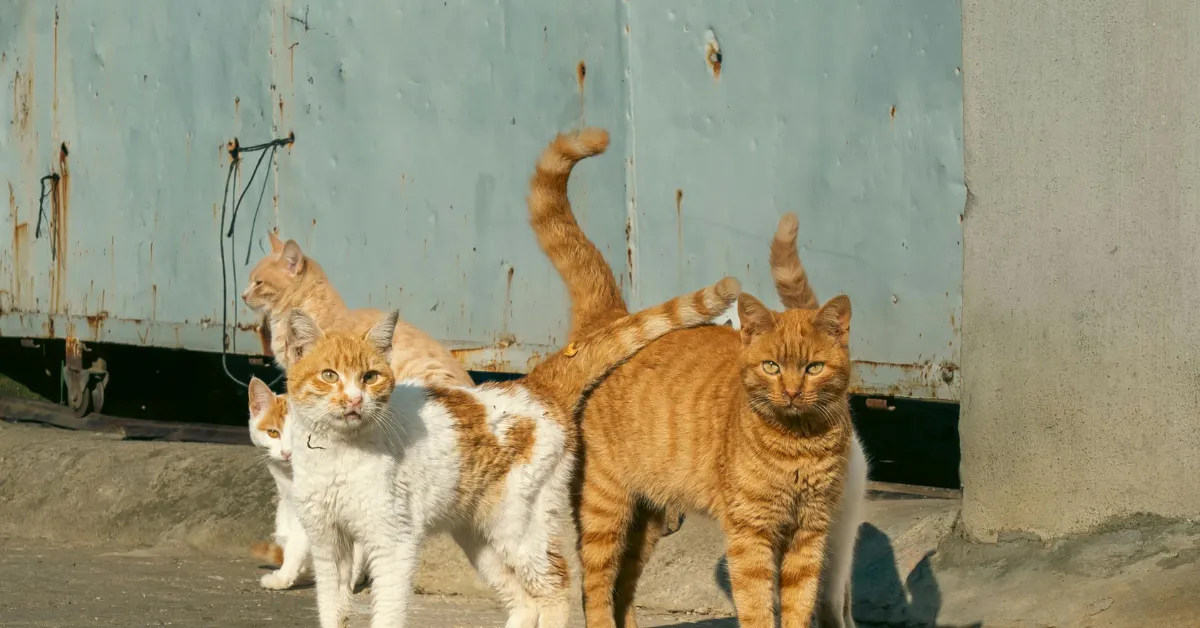
A historic building in St. Albans, West Virginia is weeks away from demolition. For most people, that is a story about losing a piece of local history. For the dozens of feral cats living inside it, it is something more immediate.
The Lantz Lumber building has been home to a feral cat colony for over a decade. Now volunteers are racing to get them out before the structure comes down.
What Is Happening
The Lantz Lumber building was constructed in 1907 and added to the National Register of Historic Places in 2021. Historians describe it as a marker of St. Albans’ economic growth and one of the city’s silent sentinels.
The building’s new owner initially offered it as a donation before backing out and choosing demolition instead. The City of St. Albans says the contractor already has everything needed for a permit. It could come down within weeks.
Neither Chandler’s Frame and Body nor Gerber Collision and Glass, the two businesses connected to the property, responded to requests for comment.
The Cats Inside
Allie Hall has been part of a community effort to trap, fix, and manage the colony for years. She says the cats go in through the windows, live in the basement, and shelter there through winter.
“If we don’t get them out of here and scatter them, they will go along with the rubble of this building, and they will be no more,” Hall said.
Volunteers currently visit morning and night to leave food. Hall says they have stopped feeding the cats directly, hoping hunger will draw them toward traps. The goal is to relocate them to barns or farm homes, but that kind of placement takes time and planning.
“We just want to get these cats to safety,” Hall said. “As of right now, we’re kind of up in the air because we don’t know the timeline of this building and its future currently.”
Joyce Jones, another volunteer, put it plainly: “It’s really bad that they’re taking the building down because it’s their home, but they don’t have to die.”
Why the Timeline Is the Problem
The cats are manageable. The timeline is not.
According to Alley Cat Allies, over 70% of cats entering shelters are killed, with rates approaching 100% for feral cats. Feral cats cannot simply be picked up and rehomed. They need barn placements, working cat programs, or return to a managed colony. All of that requires coordination, and coordination requires time.
Hall says she has tried to get access to the building to begin trapping but has not been able to reach the business on the property. Without access, volunteers are limited to trapping at the perimeter and hoping the cats come out.
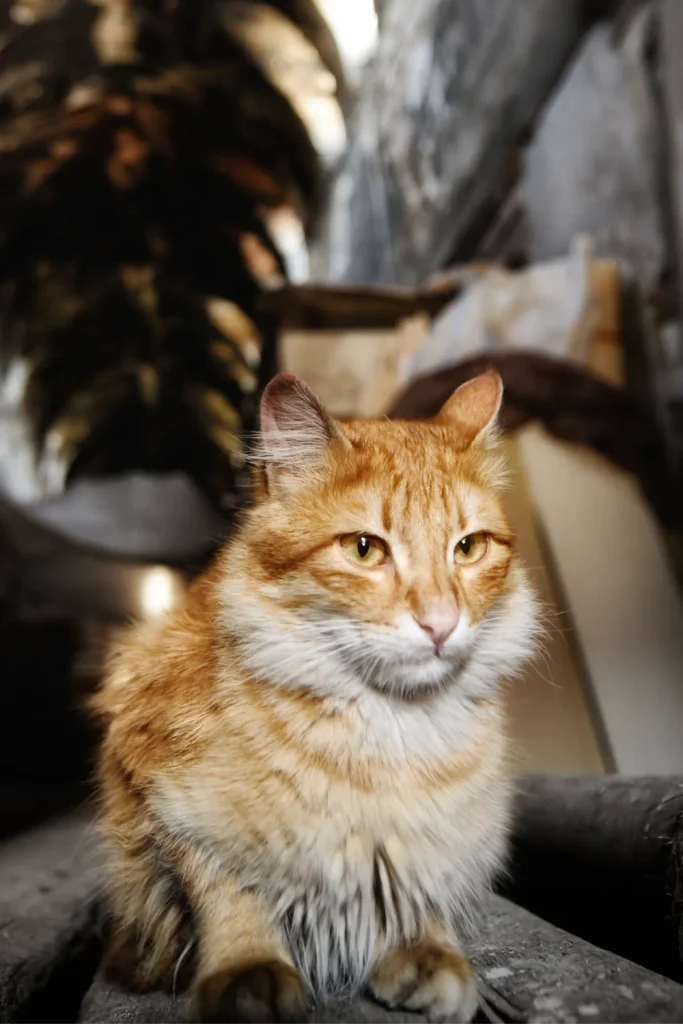
She is currently coordinating farm placement applications through her rescue for any cats that are successfully trapped.
What Needs to Happen
Situations like this one have a narrow window. A feral cat got stuck by its neck inside a wall in Kingston, New York and needed rescue from inside a structure. Someone had to show up, and someone did. In St. Albans, the intervention is possible, but only if the owner allows access before demolition begins.
A similar standoff played out in San Antonio, where a feral colony was relocated from a church property without proper TNR protocol, raising questions about what property owners are actually allowed to do with cats on their land. The answer, in most states, is less than people assume.
The city cannot confirm who the new private owner is. That detail alone is what is standing between dozens of cats and a way out. WOWK 13 News spoke with volunteers and city officials about where things stand.
Conclusion
Have you ever dealt with a feral colony facing displacement? Drop your experience in the comments below. These situations move fast, and local knowledge often makes the difference.
For more cat news and rescue stories, follow Furry Found on X and Facebook, and visit Furry Found for more.
This article is for informational purposes only.