

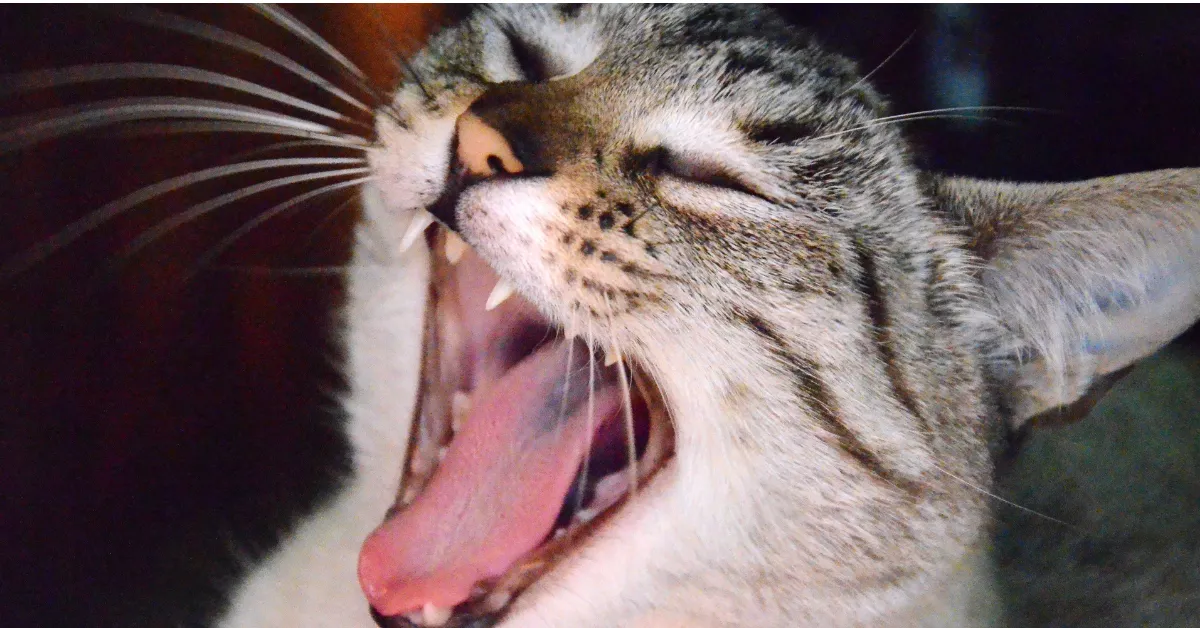
A cat that meows through the night is not being difficult. It is doing something that has worked before, and in most cases, the person who taught it to keep meowing is the one who keeps getting up to answer.
Understanding why it happens is the first step.
Why Cats Are More Active at Night
Cats are not nocturnal, but they are crepuscular, meaning their energy peaks around dawn and dusk. That schedule does not align well with a human sleep routine.
A cat that has been napping all afternoon has energy to burn at midnight. If meowing gets a response, it learns quickly that meowing works.
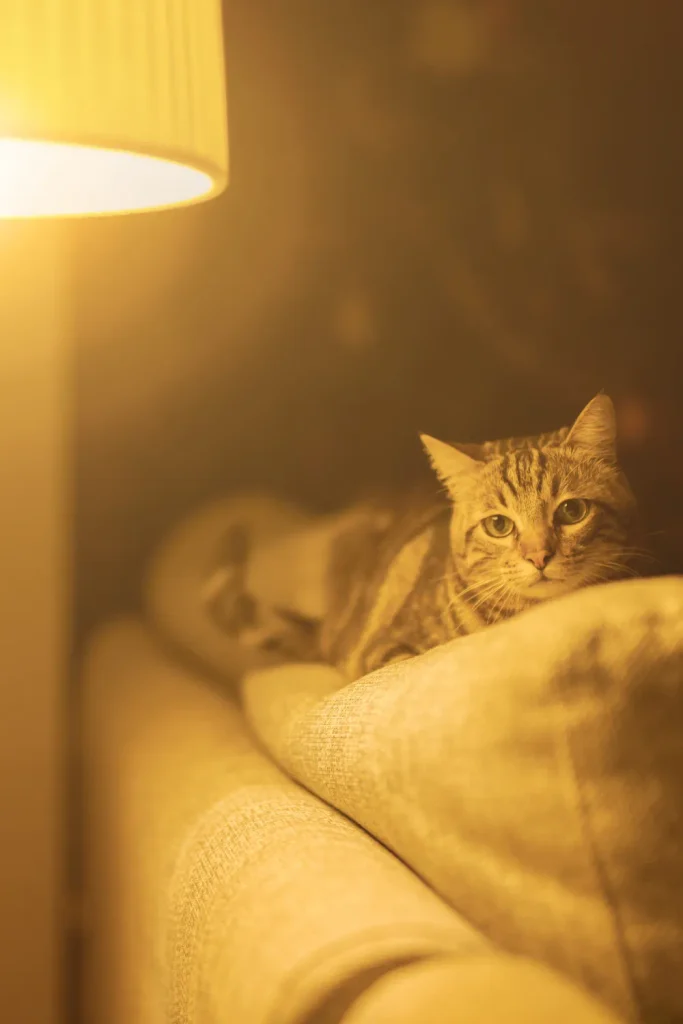
What the Meowing Is Usually About
According to Leslie Sinn, DVM, a veterinary behavior specialist, cats meow at night because they are seeking attention, food, or play. Those are the three most common reasons, and they are all fixable.
A timed feeder removes the food-driven wake-up entirely. A 15-minute play session about an hour before bed takes the edge off pent-up energy. Both changes shift what the cat expects from nighttime.
If the meowing is new and the cat is older, that changes things. Sinn advises ruling out underlying medical issues, particularly in senior cats. Painful conditions, thyroid disease, and cognitive decline can all cause nighttime vocalization.
The Mistake Most Owners Make
Every time a cat calls out and someone gets up to check, the cat files that away. Not because it is calculating, but because it is learning from what consistently happens.
The fix is stopping the reward, not punishing the cat. Most cats sleep 12 to 18 hours a day, with energy spikes at dawn and dusk, and building routines around that natural rhythm makes nighttime meowing less likely.
Scheduling a short play session before bed and using a timed feeder are two of the most effective changes an owner can make. Attention given during quiet daytime hours, on the owner’s terms, is what gradually shifts the pattern.
Cats that feel unsettled or anxious at night often show it in other ways too. If the meowing comes with appetite changes, hiding, or a general shift in personality, a vet visit is worth making before trying behavioral solutions.
When the Cause Is Something Else
An unspayed or unneutered cat may yowl while seeking a mate. A recently rehomed cat may meow while adjusting. A cat reacting to a new pet or baby in the home may need more time and reassurance.
How a cat handles change in its environment often reflects how secure it feels day to day. Nighttime meowing is sometimes the first sign that something has shifted.
Conclusion
Does your cat meow at night, and have you figured out the cause? Share what worked in the comments below.
For more cat behavior guides, follow Furry Found on X and Facebook, and visit Furry Found for more.
This article is for informational purposes only.