


I used to keep an aloe vera plant on my kitchen counter. Right next to the dog bowl. I had no idea.
Most people don’t. These plants look like decor. They feel harmless. But some of them can send your dog to the emergency vet within hours of a single chew.
Here are ten you need to know about.
1. Sago Palm
This is the one to take most seriously. Every part of the sago palm is toxic to dogs. The seeds especially. Even a single seed can be enough to poison a dog and trigger acute liver failure.
Symptoms include loss of appetite, nosebleeds, and severe stomach issues. By the time symptoms show up, the damage is already happening inside.
If this plant is anywhere in your home or yard, remove it today. There is no safe version of this one.
2. Rhododendron
Rhododendron contains grayanotoxin, a compound that disrupts how cells absorb sodium. The effects go beyond an upset stomach.
Symptoms include vomiting, weakness, depression, and in serious cases, cardiac failure. It is often kept as an ornamental plant indoors or on patios, which means dogs walk right past it every day.
3. Daffodil
The whole plant is toxic, but the bulb is where the real danger is concentrated. Symptoms are more severe than most people expect: extreme vomiting, drooling, tremors, seizures, heart problems, and breathing distress.
Daffodils are one of the most commonly planted spring flowers. They are also one of the most common sources of accidental dog poisoning every year.
4. Tulip Bulbs
Same story as daffodils. The bulb is the problem, not the flower. Symptoms include vomiting, diarrhea, gastrointestinal bleeding, and heavy drooling.
Eating several bulbs can raise heart rate and cause irregular breathing. Dogs that dig are at the highest risk. If you store off-season bulbs at home, keep them completely out of reach.
5. Aloe Vera
This one surprises almost everyone. The gel inside the leaf is not the issue. The problem is the saponins the plant contains, which cause vomiting, lethargy, and diarrhea if your dog chews through enough of it.
Most people keep aloe on a low shelf or windowsill. Move it higher. Your dog’s nose will find it before you notice.
6. Peace Lily
Peace lily contains insoluble calcium oxalates. These are tiny crystal-like compounds that cause an immediate, intense burning sensation in the mouth and lips the moment a dog bites into the plant.
Most dogs stop after the first bite. But some push through it, and then you have a bigger problem. Symptoms include vomiting and drooling.
7. Monstera
The same calcium oxalates found in peace lily are present in monstera. Symptoms include vomiting and swelling of the mouth, lips, tongue, and throat.
Monstera has become one of the most popular houseplants in the last few years. More homes have it, which means more dogs are being exposed to it without their owners realizing.
8. Snake Plant
Snake plants are nearly indestructible, which is exactly why they end up in so many homes. They contain saponins. Not life-threatening in small amounts, but enough to cause nausea, vomiting, and diarrhea.
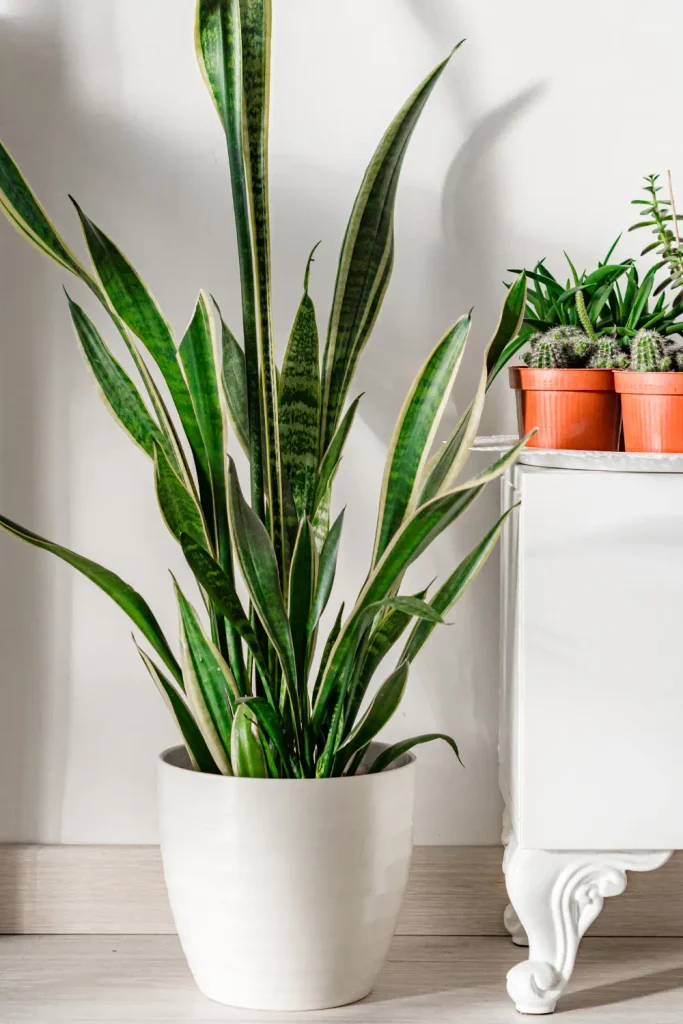
The plant sits on the floor, your dog sniffs it, takes a bite out of curiosity. That is all it takes.
9. English Ivy
English ivy causes serious gastrointestinal trouble and excessive drooling. It is common both as a trailing indoor plant and as outdoor ground cover.
Dogs that graze on it during walks are just as much at risk as dogs that chew on a pot indoors. If you walk your dog daily, these common dog walking mistakes are worth reviewing before your next trip outside including what to watch for when your dog stops to sniff plants along the way.
10. Amaryllis
Amaryllis contains lycorine, an alkaloid that affects the nervous system. Symptoms include excess salivation, lethargy, tremors, vomiting, and diarrhea.
As YourTango reported, dogs that dig are especially at risk since the bulb holds the highest concentration of toxin. If you have amaryllis in a garden bed, watch your dog closely around it.
Have any of these surprised you? Drop a comment below and tell me which ones you had at home without realizing.
Why This Matters
Plants and fungi accounted for 8.1% of all pet poisoning exposures reported to the ASPCA Poison Control Center in 2024. That number peaked during COVID when houseplant buying surged. Most of those exposures happened at home, with plants the owner had no idea were dangerous.
The same principle applies to food. A lot of dog owners are surprised to learn that common ingredients like cinnamon carry risks most people overlook the home feels safe, but the details matter.
And it is not just indoors. Rocky Mountain Spotted Fever is one of the fastest-moving health emergencies a dog can face, and most owners do not catch the signs until it is already serious.
Key Takeaways
- Sago palm can cause liver failure from a single seed remove it entirely
- Aloe vera contains saponins that cause vomiting, lethargy, and diarrhea
- Peace lily and monstera cause immediate burning from calcium oxalates
- Daffodil and tulip bulbs are far more toxic than the flowers
- Rhododendron can affect the heart
- English ivy and amaryllis are common in yards, not just indoors
One Last Thing
Look around your home right now. Count how many of these ten plants you have. If even one is on this list, move it today. Your dog investigates everything at nose level. That is just what dogs do.
Which one surprised you the most? Drop it in the comments. And if this helped, share it with someone who has a dog and a houseplant collection.
Follow Furry Found on X and Facebook for more guides like this one.
Disclaimer: This article is for informational purposes only. It is not a substitute for veterinary advice. If your dog has eaten a toxic plant, contact your vet or a poison control hotline immediately.