
If your dog keeps retching but nothing comes up, please don’t wait to see what happens next. That one sign can point to a true emergency.
It’s called bloat, and it can turn dangerous fast. Knowing the signs ahead of time could save your dog’s life.
What Bloat Actually Is
Bloat, or gastric dilatation and volvulus (GDV), happens when a dog’s stomach fills with gas or fluid and swells. The pressure can hurt other organs.
The stomach can also twist. When that happens, blood flow to the stomach and spleen can be cut off.
This isn’t a little gas after a big dinner. It’s a life-threatening condition.
The Warning Signs
This Forbes Advisor guide on bloat in dogs, reviewed by a board-certified veterinary criticalist, lists the earliest signs:
- Retching or trying to vomit again and again with nothing coming up
- Restlessness or anxiety
- Pacing
- Drooling
- Looking toward the belly
As bloat gets worse, you may see more serious signs:
- A swollen belly and signs of pain
- Whining or groaning
- Heavy panting
- Not wanting to lie down, or standing hunched
- Weakness, pale gums, fast breathing and collapse
What to Do If You See These Signs
Take your dog to an emergency vet right away. Don’t wait to see if it passes, and don’t try to fix it at home.
Calling the clinic on the way lets the team get ready for you.
Treatment usually means stabilizing your dog with IV fluids and pain medication, then emergency surgery to untwist the stomach. Vets also attach the stomach to the body wall so it’s much less likely to twist again.
Timing matters with other dog health problems too. With Rocky Mountain spotted fever in dogs, the window to treat is narrow as well.
Which Dogs Are Most at Risk
Any dog can get bloat, but deep-chested, large and giant breeds are most at risk. Forbes lists Great Danes, German shepherds, Weimaraners, standard poodles, setters, Doberman pinschers, boxers, Saint Bernards and Basset hounds.
Other risk factors include older age, a relative who had bloat, eating one big meal a day, eating too fast, stress, and hard exercise right after a meal.
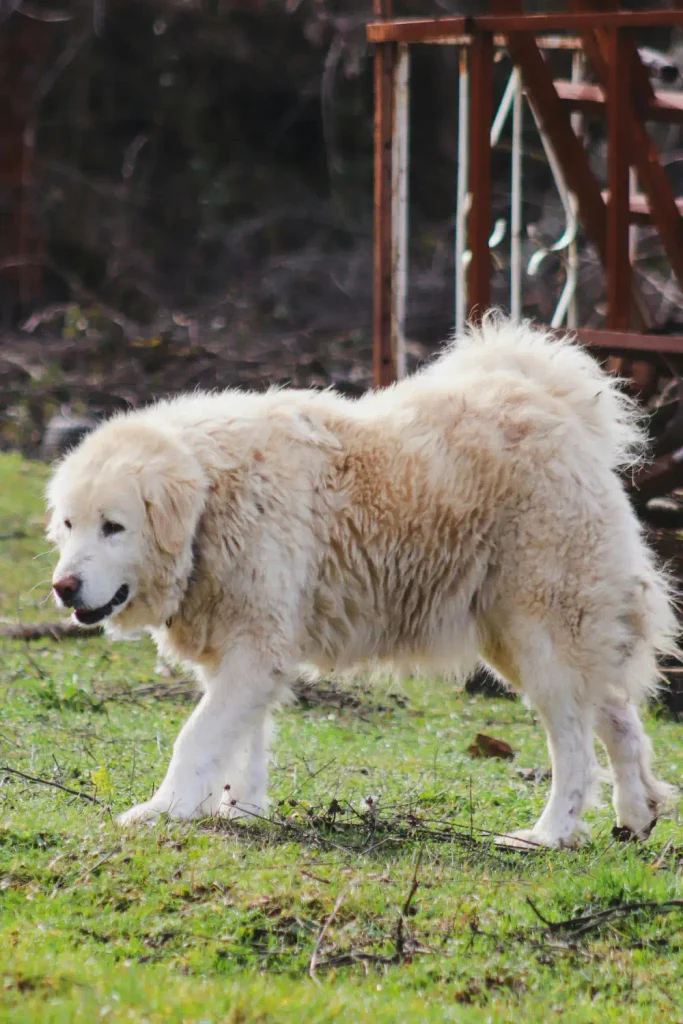
If your dog is getting older, these senior dog care tips are a good place to start.
Do you have one of these breeds? Tell me in the comments, and let me know if you knew about bloat before today.
How to Lower the Risk
- Feed two or more smaller meals a day instead of one large one.
- Use a slow feeder if your dog gulps food.
- Keep play and exercise low right before and after meals.
- Some vets suggest skipping raised food bowls.
- Ask your vet about a preventive gastropexy, which is often done during a spay or neuter.
Not sure you’re feeding the right amounts? These feeding habits that quietly add up are worth checking.
One note from the vet expert Forbes interviewed: a gastropexy greatly reduces the risk of the stomach twisting, but it doesn’t stop bloating itself. If your dog retches with nothing coming up, go to the vet even if the surgery was done.
Why This Matters
The American College of Veterinary Surgeons calls GDV a rapidly progressive, life-threatening condition. Death rates have been reported at about 15%, and they rise with the severity of the disease.
Factors that raise the risk of death include having signs for more than six hours, an irregular heartbeat before surgery, and needing part of the stomach or the spleen removed. You can read more on the ACVS page on gastric dilatation-volvulus.
ACVS says stabilization and surgery work best when done early. That’s why waiting is the worst choice.
Key Takeaways
- Bloat, or GDV, can twist the stomach and is a life-threatening emergency.
- Retching with nothing coming up is a red flag, especially in large, deep-chested dogs.
- Go to an emergency vet right away. Don’t wait it out.
- Smaller meals, slower eating and a preventive gastropexy can lower the risk.
Conclusion
Bloat moves fast, but you can move faster if you know what to look for. Save your nearest emergency vet’s number in your phone today.
If you want more pet health guides and rescue stories, follow Furry Found on X and Facebook.
Disclaimer: This article is for informational purposes only and is not a substitute for professional veterinary advice. If you think your dog has bloat, contact an emergency vet immediately.