


I’ve seen it happen with so many dog owners. One day your dog is running circles around the yard. Then suddenly, he’s slower on the stairs, sleeps more, and his muzzle has gone grey almost overnight.
That’s not just aging. That’s your dog entering a new chapter and your care needs to change with it.
Here’s what actually matters.
Why This Even Matters
More than half of U.S. dog-owning households now have a senior dog aged 7 or older. That’s a massive shift from just a decade ago.
And yet, most owners don’t change their dog’s routine until something goes wrong. That’s the mistake.
Before the Tips: Know When Senior Actually Starts
This is where most guides get it wrong.There’s no single age. A Great Dane is a senior at 5 to 6. A Chihuahua doesn’t hit senior years until 9 or 10. Large breeds age faster, plain and simple.
If your dog is over 50 lbs, start these tips at age 6. Under 20 lbs, you have until 9. Medium breeds, think 7 to 8 years.
10 Senior Dog Care Tips
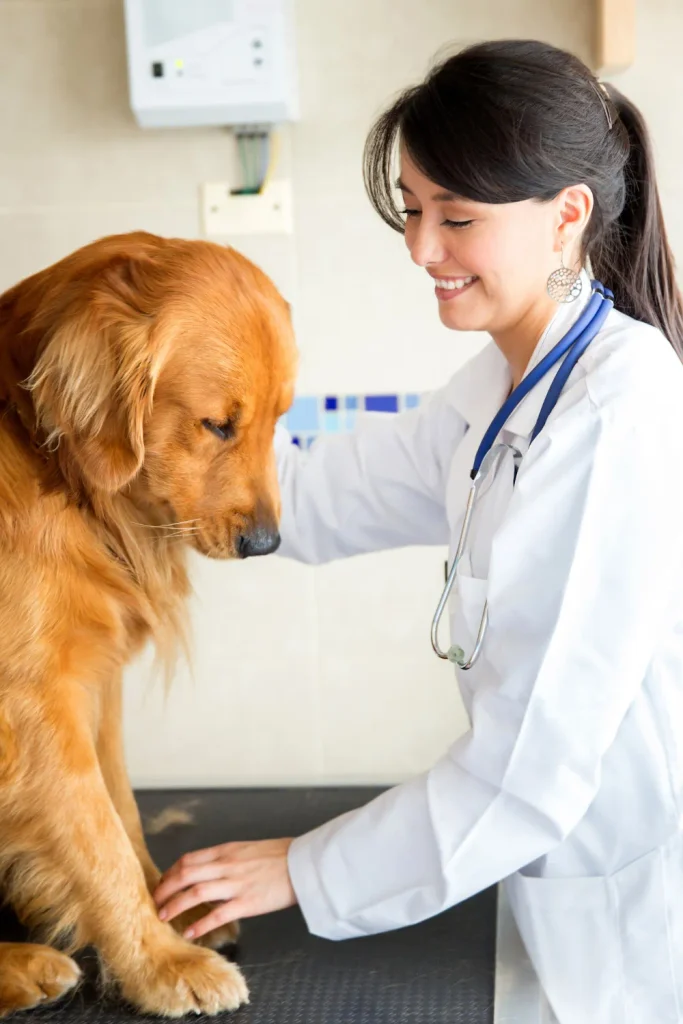
1. Switch to twice-yearly vet visits
Annual checkups aren’t enough after age 7. Kidney disease, arthritis, and dental disease can develop quietly between visits. Catching them early makes a real difference.
2. Watch their weight closely
Senior dogs burn fewer calories. Even a pound or two of extra weight stresses aging joints badly, especially in larger breeds.
Nearly 6 in 10 U.S. dogs are now overweight or obese, according to the Association for Pet Obesity Prevention and that extra weight hits senior joints hardest.
3. Shorten walks, don’t skip them
30 minutes twice a day beats one long exhausting walk. Movement keeps joints mobile and mental health sharp. And always keep them leashed near open water or traffic even trained dogs can end up in dangerous situations outdoors.
4. Add non-slip mats on hard floors
Slick floors are genuinely dangerous for dogs with arthritis. Yoga mats, runners, or grip mats in high-traffic areas prevent painful slips and build their confidence back.
5. Raise their food and water bowls
Bending down repeatedly puts strain on the neck and front legs. Elevated bowls at chest height ease this immediately.
6. Check their mouth more often
Dental disease is the most commonly diagnosed condition in dogs, with signs appearing as early as age 3 in many cases, according to the American Veterinary Dental Society. It’s not just bad breath untreated dental infection spreads to the heart and kidneys.
7. Keep their mind busy
Puzzle feeders, sniff walks, and short training sessions slow cognitive decline. A mentally tired dog sleeps better and stays calmer. The bond you build during these moments is also what helps dogs recover when things go sideways –just like the Pasadena dog who survived a house fire because of the connection he had with his rescue crew.
8. Create a safe sleeping space
Orthopedic foam beds protect pressure points and reduce morning stiffness. Make sure it has low sides so getting in and out doesn’t require any real effort.
9. Watch for pain they won’t show you
Dogs hide pain well. Signs include reluctance to jump, licking one spot repeatedly, eating less, or snapping when touched. Don’t wait for obvious limping. And always double-check what’s being administered at the vet – a Cedar City family learned this the hard way when a routine allergy visit ended in tragedy.
10. Have an honest conversation with your vet about supplements
Omega-3s and glucosamine have decent evidence behind them for joint support. But what works depends on your dog’s specific condition. Ask your vet before buying anything.
One More Thing Most Articles Skip
Senior dogs often develop anxiety they never had before. Cognitive decline, hearing loss, and vision changes can make a once-calm dog suddenly restless at night or clingy during the day.
This isn’t bad behavior. It’s disorientation. More routine, more physical contact, and sometimes a vet conversation about anxiety support is what helps. For a deeper look at what vets recommend across all areas of senior dog care, NBC Select’s guide with four veterinary experts is worth reading alongside this.
Conclusion
Your senior dog still wants to be with you. They’re not slowing down to frustrate you, they’re trusting you to figure out what they need now.
Start with two things from this list today. Don’t try to overhaul everything at once.
Which of these did you not know before reading this? Drop it in the comments below – I read every one, and your question might help someone else too.
For more honest, practical dog care content, head over to Furry Found – no fluff, just real information for real dog owners.
And if you want quick updates, rescue stories, and care tips without having to search for them, follow along on X (Twitter) and Facebook page.
Disclaimer: This article is for informational purposes only and is not a substitute for professional veterinary advice. Always consult your vet before making changes to your dog’s health routine.