


After 640 days in a New York shelter, a dog named Louise walked out to applause on adoption day. Almost two years of waiting, and she’s far from the only one.
Dogs with special needs often wait much longer than other dogs. A Petfinder survey found they often wait four times longer than average, and a typical pet spends about 12 weeks on the site.
Why They Get Passed Over
Most people aren’t unkind. They’re scared. Will it cost too much? Will I know what to do? Will I get it wrong?
“Special needs” also sounds bigger than it often is. It can mean a blind dog, a deaf dog, a three-legged dog, or a dog who just takes a daily pill.
People see the label and keep scrolling. That’s usually where the wait begins.
A Few Changes at Home That Help
Start with the floors. Slippery tile and wood are hard on dogs with weak legs. Non-slip rugs along the routes your dog uses most make a real difference.
Older dogs struggle with slick floors too, and our senior dog care tips cover more of this.
For a blind dog, keep furniture where it is and gate the stairs. Different textures or scents around the house help them find their way.
For a deaf dog, don’t sneak up on them. Approach from the front, or stomp on the floor so they feel the vibration.
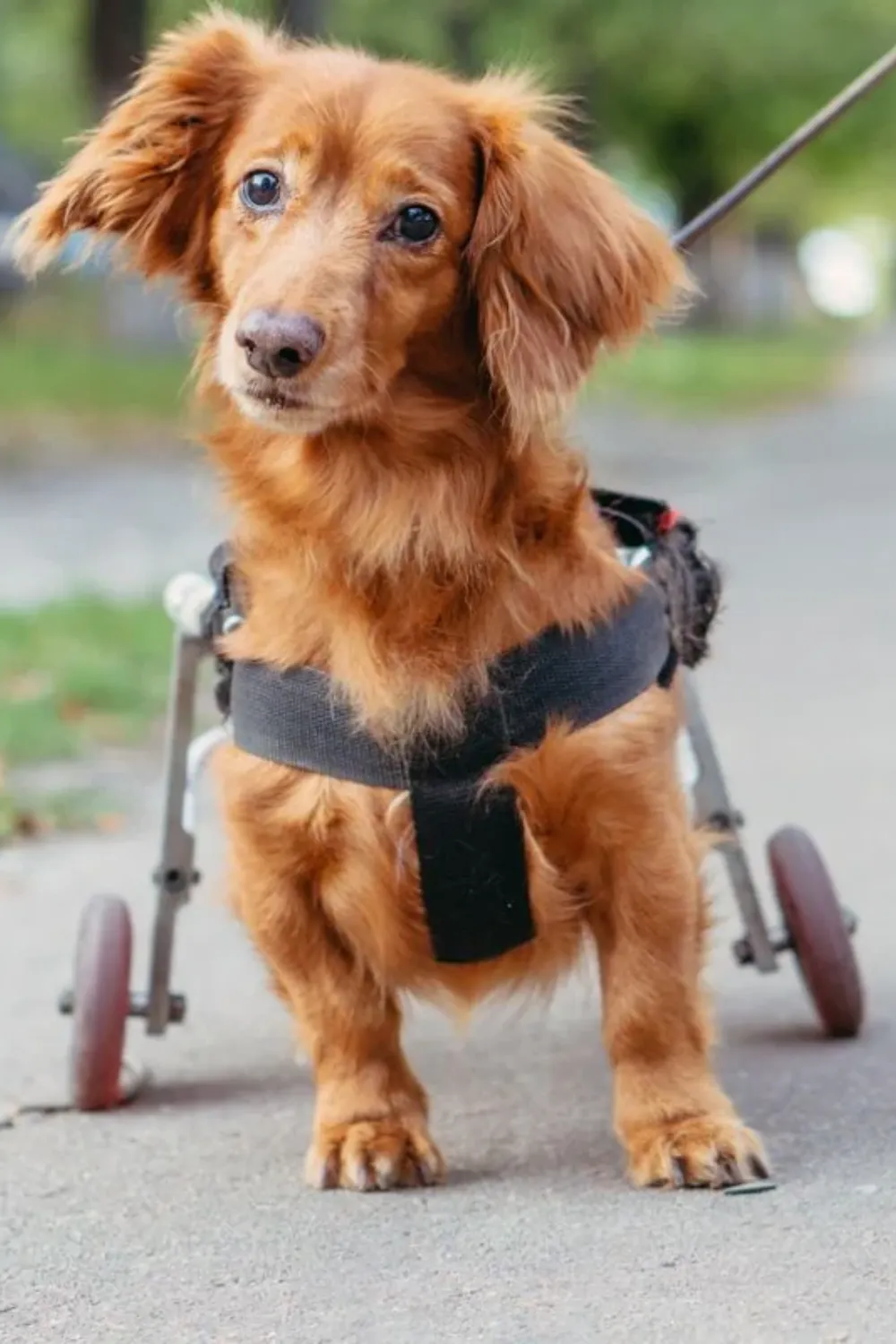
For dogs with mobility problems, a ramp to the couch or car and a good harness go a long way. Not sure which is better? Here’s what the research says about harnesses versus collars.
If you want more day-to-day ideas, this guide on how to support a dog with special needs is worth a read.
The first month needs patience too. Give your dog one quiet room and introduce the rest of the house slowly. Some adoptions fail within days because people expect too much too fast.
It can happen even with a great family. Blue, a Texas shelter dog, was returned twice before finally finding a home.
Be honest with yourself about three things: vet costs, your time, and who can step in if you travel. If you’re unsure, fostering first is a good way to test it.
Have you made a home change that worked for your dog? Tell us in the comments. Your tip could help someone who’s nervous about adopting.
Why This Matters
Shelters are making progress. According to Best Friends Animal Society, 34,000 fewer dogs and cats were killed in U.S. shelters in 2025 than in 2024.
Dog deaths in shelters dropped 8.5% over the same period, roughly 20,000 dogs.
That’s good news. But the dogs who wait longest still need someone to look past the label.
Key Takeaways
- Special needs dogs often wait far longer for homes, mostly because of fear, not facts.
- Small home changes, like non-slip rugs and gated stairs, go a long way.
- The first month needs patience and a quiet space.
- Can’t adopt? Foster, or share their listings.
Before You Go
Want more dog adoption stories and care tips? Visit Furry Found and follow us on X and Facebook.
Disclaimer: This article is for informational purposes only and is not a substitute for professional veterinary advice. Please consult your vet about your dog’s specific needs.