

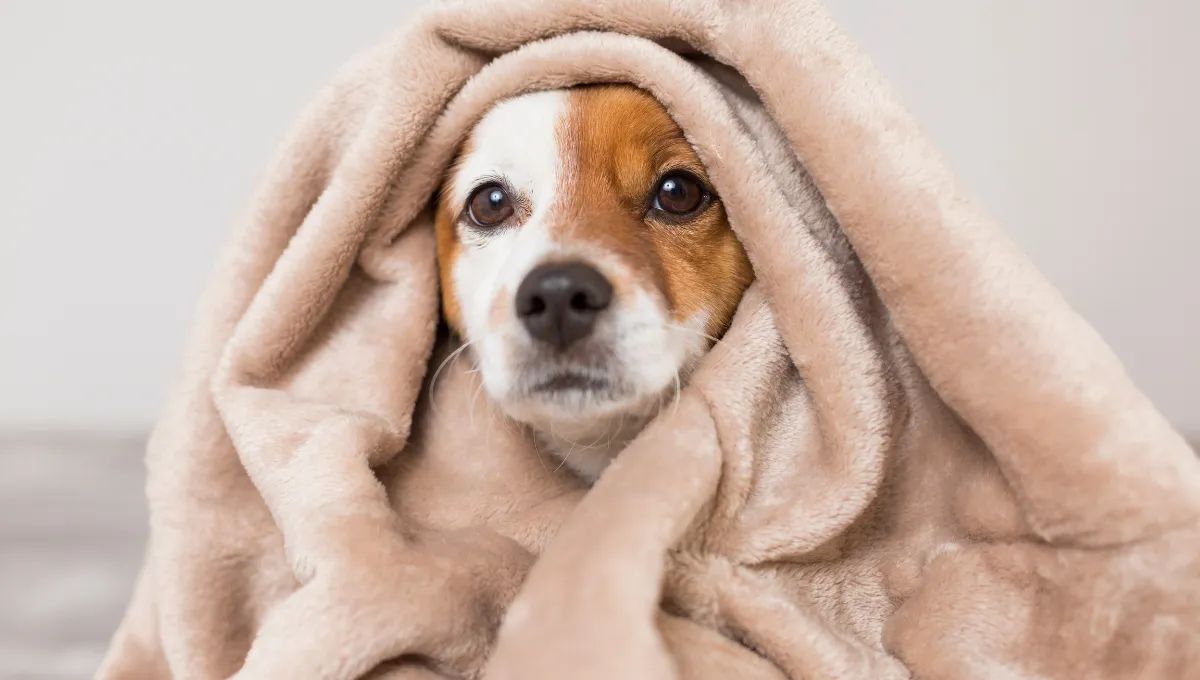
Most dog owners go into winter with good intentions. They watch for shivering. They wipe paws. They feel like they have it covered.
These are the ten mistakes vets see every season.
1. Waiting for Shivering Before Acting
Shivering is a late sign. By the time your dog is visibly shaking, they have already been cold for a while.
Earlier signs include picking up their paws repeatedly, refusing to walk, tucking their tail, standing hunched, or showing unusual anxiety on walks.
2. Not Knowing the Temperature Thresholds
Once temperatures drop to 32 degrees Fahrenheit, all dogs need limited outdoor time regardless of breed or coat. Below 20 degrees, walks should be reduced to short bathroom breaks only.
Senior dogs are particularly vulnerable at these thresholds. These senior dog care tips cover how older dogs regulate temperature differently and why even brief cold exposure can hit them harder than it would a younger dog.
3. Assuming “Pet-Safe” Ice Melt Is Actually Safe
Owners who switch to pet-safe ice melt often stop worrying about paw exposure entirely. That is the mistake.
As NBC News Select’s vet-reviewed winter dog safety guide explains, Dr. Aly Cohen of the Cornell Riney Canine Health Center says pet-safe products are less harmful than standard ice melt, not harmless. Dogs should still be prevented from licking their paws after any contact.
4. Scheduling Walks for Morning and Evening
Those are the coldest and darkest parts of the day in winter. The better time for your dog’s longest walk is midday, when temperatures are highest and light levels are brightest.
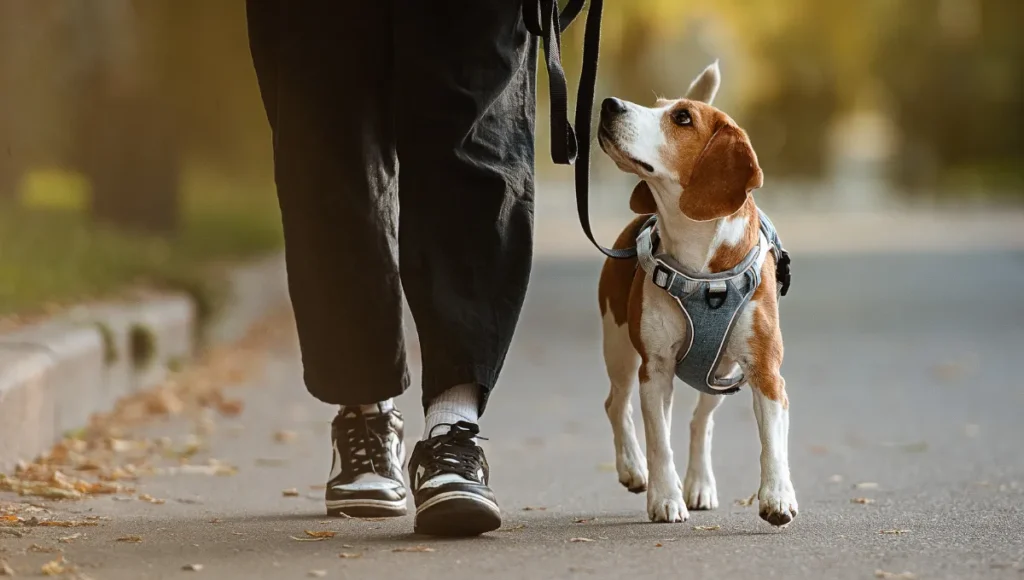
Cutting walks short in winter also affects your dog’s weight. These fall habits that cause dog weight gain show how reduced activity across autumn and winter adds up faster than most owners expect.
5. Skipping Reflective Gear
Daylight is shorter in winter. Most owners walk their dogs in low-light conditions without anything reflective on the dog, which means cars and cyclists cannot see them clearly.
A reflective vest or jacket is a safety item, not an accessory.
Have you ever found yourself walking your dog after dark without reflective gear? Tell me in the comments.
6. Forgetting the Antifreeze Risk
Antifreeze can leak onto driveways, parking lots, and road surfaces during winter. It is extremely toxic and deadly to dogs if ingested, even in very small amounts.
Be careful about what your dog sniffs or licks near garages, gas stations, autobody shops, and car washes.
7. Assuming Big or Fluffy Dogs Do Not Need Coats
A large thick-coated dog may not need insulation, but a thin water-resistant layer still helps keep them dry in snow and freezing rain. Wet fur loses its insulating ability quickly.
8. Leaving Your Dog in a Parked Car
Most owners know not to leave dogs in hot cars. Cold cars carry the same risk. With the engine off, the interior drops quickly to dangerous temperatures.
Never leave your dog in a parked car with the heat off.
9. Not Preparing for Winter Storms
Keep at least five days worth of dog food, water, and medications at home before winter sets in. A snowstorm that cuts off store access for a few days is not when you want to discover you have two days of kibble left.
10. Not Verifying the Microchip Registration
Dogs lost in winter have a harder time finding their way home. Snow covers scent trails, visibility drops, and cold temperatures make exposure dangerous fast.
Your dog’s microchip only works if the registration has your current contact information. Check it now.
Seasonal outdoor safety applies beyond winter. These fall hiking tips for dog owners cover what to watch for in the months leading into winter, when terrain and temperatures are already starting to shift.
Why This Matters
According to the AVMA’s cold weather animal safety guidance, cold weather poses serious risks including frostbite and hypothermia, and animals that are young, old, ill, or thin are especially vulnerable. These risks increase when owners are not aware of specific thresholds and early warning signs.
Key Takeaways
- Shivering is late. Watch for paw-picking, hunching, tail-tucking and refusal to walk.
- 32°F limits extended outdoor time. Below 20°F, keep it to bathroom breaks.
- Pet-safe ice melt reduces but does not eliminate risk.
- Walk at midday when conditions are safest.
- Verify your dog’s microchip registration before winter starts.
The Mistakes Are Small. The Consequences Are Not.
None of these require a major change in routine. They just require knowing what vets already know.
Share which of these you have been missing in the comments, and follow Furry Found on X and our Facebook page for more pet health guides like this.
Disclaimer: This article is for informational purposes only and is not a substitute for veterinary advice.