

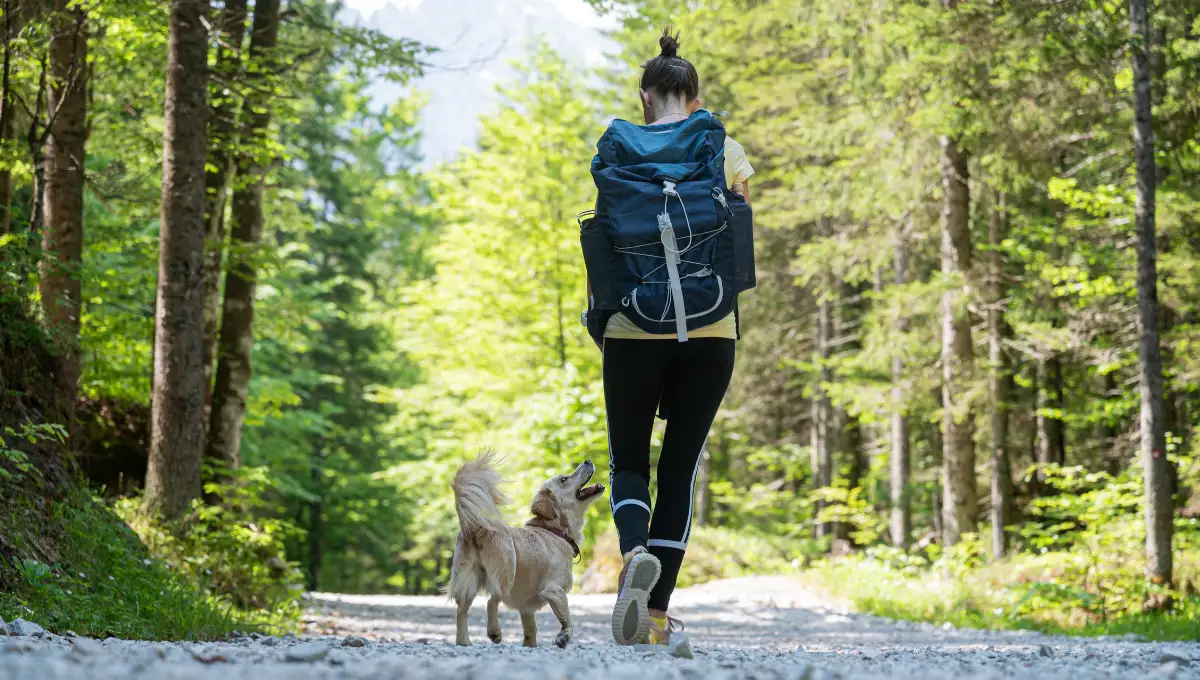
Fall is the best season to hike with a dog. It’s also the season most owners are least prepared for.
Here are 10 tips that go past the basics.
1. Check Whether Hunting Season Is Open Before You Go
This one can save a life and almost nobody mentions it. Fall hunting seasons vary by state and region, and a dog running off-leash in a hunting area is at serious risk.
Check your state’s fish and wildlife agency website before any fall trail. Wear bright colors. Put an orange vest on your dog if you’re heading into hunting territory.
2. Know the Toxic Fall Plants in Your Region
Spring gets all the attention for toxic plant warnings, but fall has its own dangers. Wild mushrooms appear after rain. Acorns cause kidney and digestive issues. Berries like pokeweed and bittersweet are abundant and look appealing to a curious dog.
Know what grows on your trails before you go.
3. Watch the Paws on Wet Leaves
Wet fallen leaves are slippery and hide everything underneath: sharp rocks, roots, uneven ground, and in some cases broken glass or debris.
Keep your dog on the marked trail. Check paws before and after for cuts, embedded debris, or swelling.
4. Plan for Darkness Earlier Than You Think
Sunset in late October comes hours earlier than in July. Many hikers start a trail in daylight and realize too late that they are heading back in the dark.
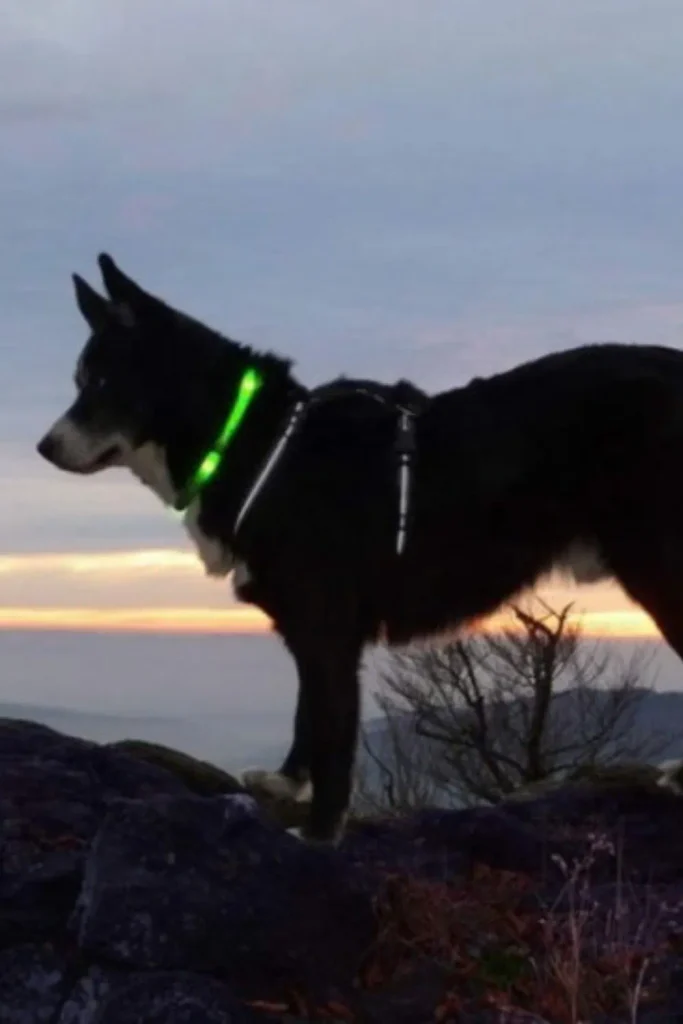
Clip a safety light to your dog’s collar. Bring a headlamp even on short afternoon hikes. Know your turnaround time before you leave the trailhead.
The same shorter-daylight risk applies closer to home. Halloween night brings its own set of hazards for dogs open doors, crowds, and darkness all at once.
5. Understand Fall Wildlife Behavior
Fall is not a quiet time for wildlife. Deer are in rutting season, which makes them unpredictable. Bears are in hyperphagia, eating constantly before hibernation. Snakes remain active until the first hard freeze.
Keep your dog leashed. A dog that surprises a bear at a berry patch or chases a deer in rut is in real danger.
Being responsible outdoors matters as much as being prepared. Even a brief lapse in judgment can cost a dog its life as a Nebraska officer learned when his dog died after being left in extreme heat.
6. Watch for Cold, Not Just Fatigue
Dogs with short coats, low body fat, or older age feel cold faster than owners expect. Slowing down on the trail in fall is not always tiredness, it may be the cold.
Watch for shivering, reluctance to move, or a tucked tail. A lightweight dog jacket costs less than one vet visit.
Senior dogs need extra attention on fall trails. If your dog is getting older, these senior dog care tips cover what changes as they age and what to watch for on longer outings.
Have you ever put a jacket or booties on your dog for a trail? Tell me in the comments how that went.
7. Bring More Water Than You Think You Need
Cool air tricks both dogs and owners into feeling less thirsty. Panting still happens on fall hikes, and dry fall air speeds moisture loss faster than humid summer air.
Carry enough water for both of you and bring a collapsible bowl.
8. Screenshot Emergency Contacts Before You Lose Signal
Most scenic fall trails have limited or no cell service. Screenshot your nearest 24-hour emergency vet, your regular vet’s number, and ASPCA Poison Control at (888) 426-4435 before you leave.
9. Check the Trail’s Dog Rules Before You Arrive
The National Park Service’s pet hiking guidelines are clear: keep dogs on a 6-foot leash at all times, pick up all waste, and stay away from wildlife. Trails that lose pet access lose it because owners skip these steps.
Some trails require a leash at all times. Some ban dogs from specific sections. Arriving to a closed trailhead after a long drive is avoidable.
10. Do a Full Body Check After Every Fall Hike
Ticks are still active in fall, sometimes more so than in summer in certain regions. Burrs, foxtails, and seeds embed in ears, between toes, and under collars.
Check your dog thoroughly before they get in the car. A burr left overnight can cause a serious infection.
Why This Matters
As Times News notes in their fall hiking guide for dog owners, fall is one of the best seasons to get outside with your dog but it brings specific risks that a summer checklist won’t cover.
Hunting season, shorter daylight, toxic fall plants, and active wildlife all change what preparation looks like in October versus June.
Key Takeaways
- Check hunting season dates before choosing any fall trail.
- Know fall-specific toxic plants: mushrooms, acorns, and wild berries.
- Plan your turnaround time around sunset, not around how you feel.
- Keep dogs leashed during deer rut, bear hyperphagia, and snake season.
- Do a full tick and burr check after every hike.
The Trail Is Better With Them
Fall hikes with a dog are something genuinely worth protecting. A little preparation is all it takes.
Share your best fall hiking tip in the comments, and follow Furry Found on X and our Facebook page for more practical pet guides like this.
Disclaimer: This article is for informational purposes only and is not a substitute for veterinary advice.