

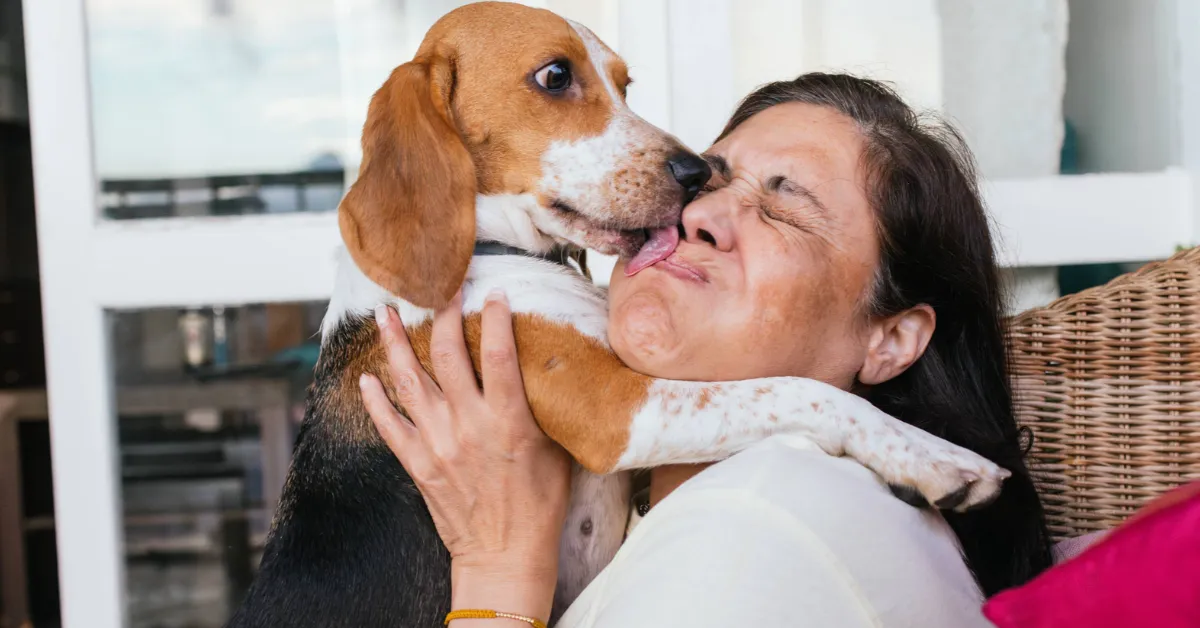
You open the door, sit on the couch and pat the cushion. Your new rescue looks at you, then walks to the corner.
I know that stings. You pictured cuddles by day three. Please don’t read this as rejection, because it usually isn’t.
Why Your Rescue Isn’t Cuddling Yet
Your dog just lost everything familiar: smells, sounds, people, routine. Even a loving home is a lot to take in.
Fearful or anxious dogs can take a few weeks or months to feel comfortable in a new home. The “3 days, 3 weeks, 3 months” rule is a rough guide, not a deadline.
Some dogs also show love without touch. Cuddling is only one language.
Early Signs Your Dog Feels Cared for and Cherished
Forget the big signs for now. Watch for the quiet ones.
Your dog eats in the same room as you. They sleep where they can see you, even from across the house. Their body looks looser, with soft eyes and a relaxed mouth.
They start exploring. They sniff your hand and walk off, which is a good sign. They settle faster after a loud noise, or grab a toy for the first time.
Each one says the same thing: “I feel safe enough to relax.”
Don’t Wait for the Big Signs
Parade Pets lists signs like sleeping belly-up and following you from room to room. They’re lovely, but they usually come after trust is built.
In week two, a dog sleeping across the room is the same message, just quieter.
Also watch for stress that looks like calm: lip licking, yawning, the whites of the eyes showing, or freezing. A dog that does nothing isn’t always a relaxed dog.
Let Your Dog Decide
Try a simple consent test. Pet two or three times, then stop and pull your hand back.
If your dog leans in or nudges you, continue. If they walk away, let them. Choice builds trust faster than pressure.
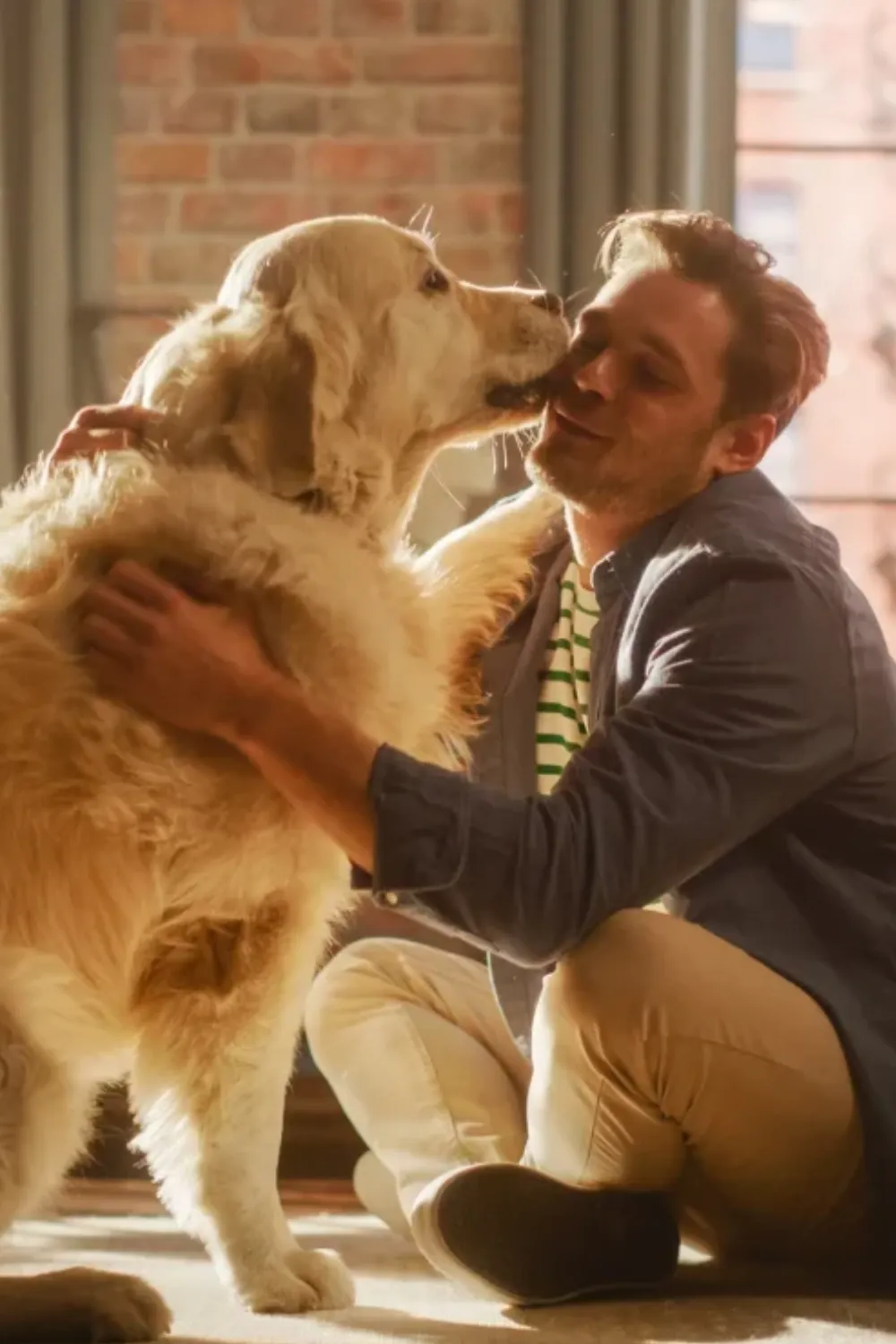
Skip hugs, crowded visitors and dog parks for now. Give them a quiet corner that stays theirs. Still setting up your home? Our list of things to know before day one can help.
Have you tried the pause test yet? Did your dog lean in or walk away? Tell me in the comments.
Why This Matters
Expectations decide a lot. Most shelters report return rates between 7 and 20 percent. In a review of 24,000 adoption records, about 35 percent of returns were for behavioral incompatibilities, and another 18 percent were because the dog didn’t get along with other pets at home, according to the Association for Animal Welfare Advancement.
Much of that is normal early-stage stuff. A little patience can change the ending.
Blue, a Texas shelter dog, was returned twice before a family drove 22 hours to meet him. He finally got his home.
One Last Thing Before You Go
Cuddles are the last sign, not the first. If your dog is eating, sleeping nearby and exploring, they’re already choosing you.
Stories like Loretta’s, a neglect survivor finally ready for her own family, remind me why waiting is worth it.
We share more rescue stories and care tips at Furry Found. Follow us on X and Facebook so you don’t miss the next one.
Disclaimer: This article is for informational purposes only. For pain, aggression or sudden behavior changes, please talk to a vet or certified behaviorist.