

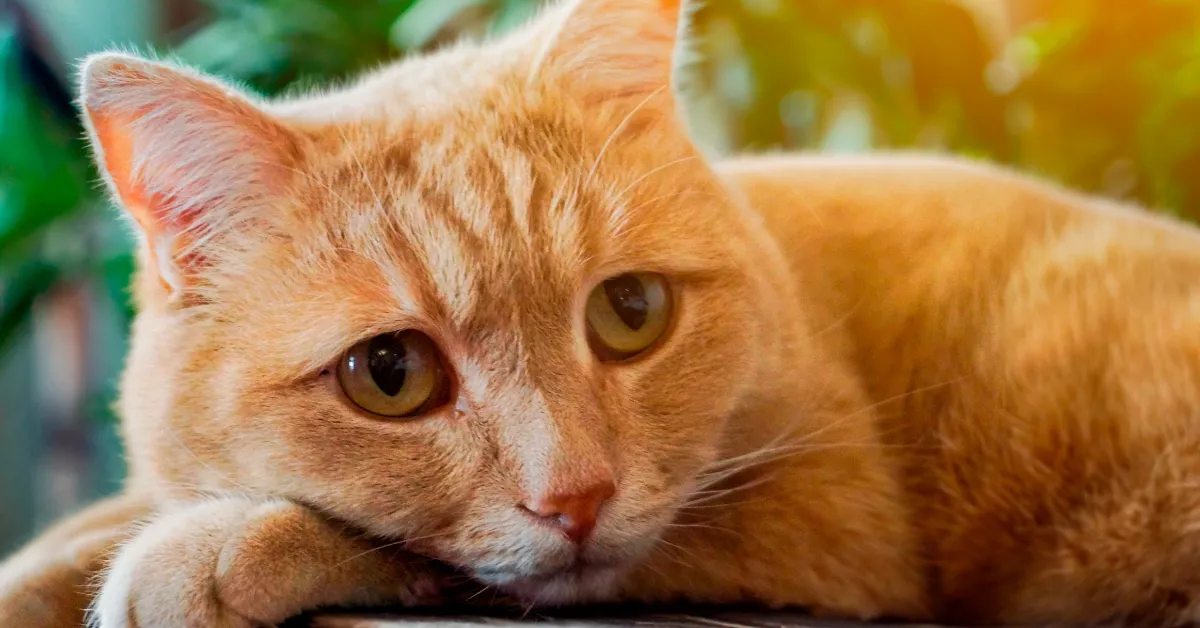
A cat that stops eating, hides under the bed, and goes quiet for a few days looks depressed. But that same cat might have kidney disease, a mouth injury, or a urethral obstruction that could turn dangerous within 48 hours.
That is the core problem with cat depression: the signs do not separate neatly from illness, and guessing wrong wastes time that matters.
What Owners Are Actually Seeing
The overlap is almost complete. Appetite loss, hiding, reduced grooming, lethargy, litter box changes, and less vocalization are all listed as signs of depression. They are also common presentations of pain, kidney disease, gastrointestinal problems, and dental disease.
Cats do not display discomfort the way dogs or people do. A cat in serious pain will often go quiet, hide, and stop eating without any visible sign of distress. From the outside, it looks like a bad mood.
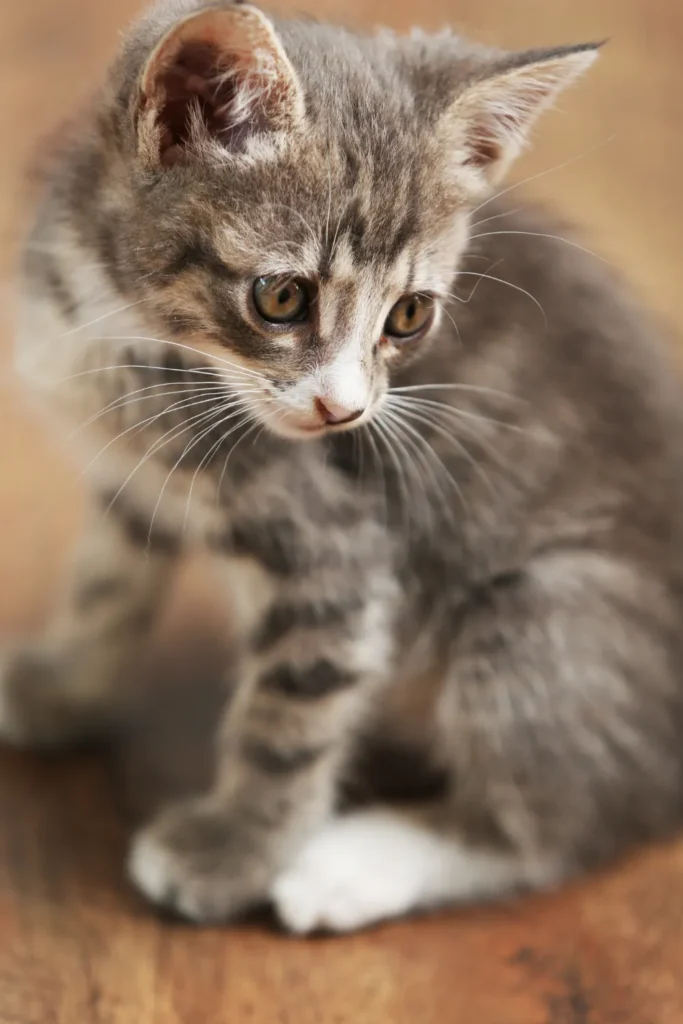
Feline behavior experts note that pain is one of the most common things owners misread as depression, and that reduced vocalization in particular can be a response to physical pain rather than emotional withdrawal.
Why This Matters and What to Do First
Treating a sick cat as though it is emotionally depressed is not just ineffective. It delays care that the cat actually needs.
Veterinary specialists point out that signs like appetite loss, hiding, and litter box changes are nonspecific and can indicate underlying health issues ranging from a minor mouth injury to kidney disease or cancer. A urethral obstruction in a male cat can look like behavioral withdrawal in its early hours and become life-threatening within a day or two.
The standard guidance from veterinarians, including those who emphasize ruling out physical causes first, is that the first step is always a complete physical exam, along with blood tests and possibly imaging, before assuming the cause is emotional.
Emotional depression in cats does exist. It can follow the loss of a companion, a major routine change, or prolonged understimulation. But it is a diagnosis that comes after physical causes are ruled out, not before.
Once a vet confirms the cause is behavioral, the approach is straightforward: more enrichment, consistent routine, and in some cases a behavior specialist or short-term medication.
Cats that spend long stretches alone and understimulated are more vulnerable to behavioral decline, and that context matters when a vet is trying to identify the cause.
Small behavioral shifts are often the first signal owners notice, and the hardest to interpret correctly. A vet visit is not overreacting. It is the only way to actually know.
Conclusion
Has your cat ever shown signs that looked like depression and turned out to be something physical? Drop what happened in the comments below.
For more cat health and care tips, follow Furry Found on X (Twitter) and Facebook, and visit Furry Found for more.
This article is for informational purposes only.
[…] stops entirely or the cat becomes unresponsive for more than a few days, a vet visit is worth it. Grief and illness look nearly identical from the outside, and the sooner the cause is identified, the […]
[…] Cats that are eating less than they should, for any reason, often show it in ways that are easy to m…. In a nursing cat, this can show up as weight loss or kittens that are not gaining as expected. […]
[…] Cats often show early signs of a problem before anything obvious appears. In a newborn, those signs almost always show up on the scale first. […]