

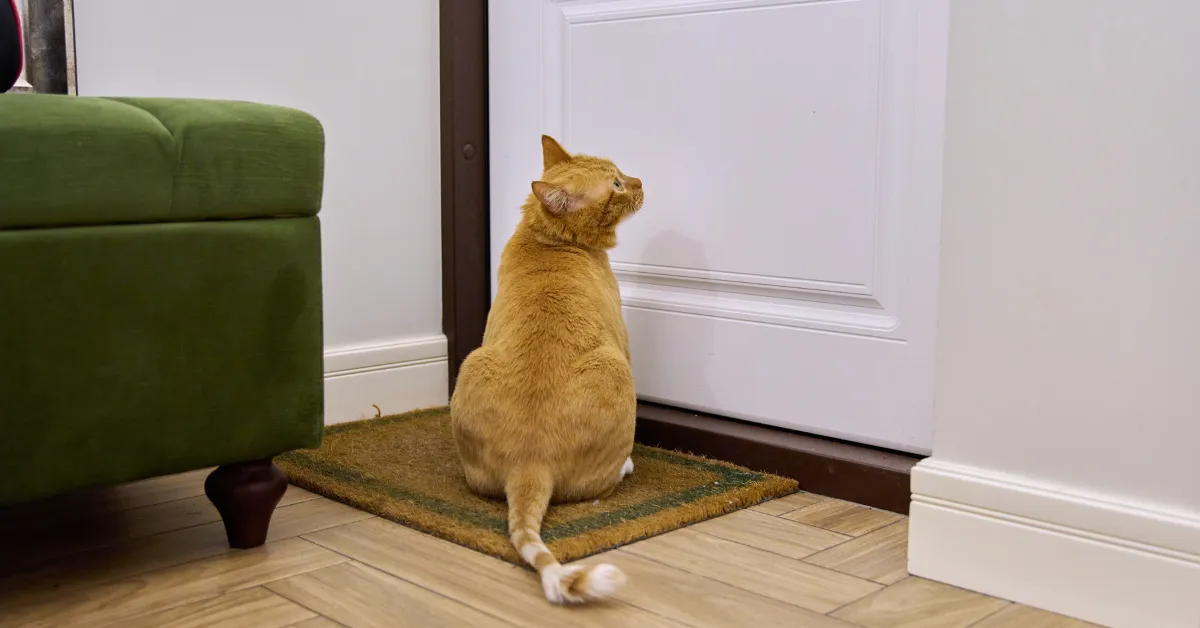
Most people assume cats are fine on their own. Independent, low-maintenance, indifferent to schedules. That reputation is so widely held that owners rarely question it even when their cat starts acting out after a routine change.
But cats do form strong attachments to their people, and some of them struggle when those people leave.
What Separation Anxiety Actually Looks Like
The signs are easy to misread. A cat that urinates outside the litter box, destroys something, overgroomes until it has bald patches, or vocalizes loudly when left alone is not being difficult. Those behaviors are consistent with anxiety driven by separation.
The trickier cases are the quieter ones. A cat that becomes clingy before the owner leaves, then withdraws or stops eating during the absence, can look fine from the outside. The distress is there. It is just harder to see.
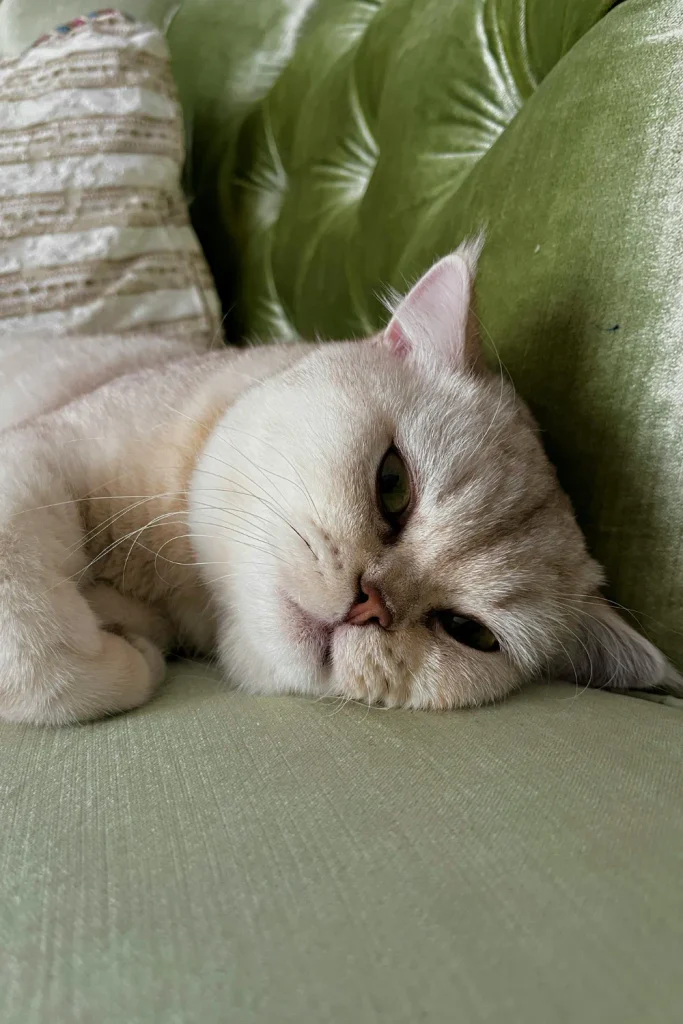
Behaviorist Mikel Delgado, PhD, notes that feline anxiety tends to be ongoing and does not always have a clear trigger, which makes it easy to attribute to something else entirely.
Why It Happens and How Common It Is
Cats that live alone with one person, have no other pets, and few toys are at higher risk. The attachment forms tightly because the person is the main source of stimulation, and absences hit harder.
Research published in PLOS One found that roughly 13.5 percent of cats studied showed at least one sign of separation-related problems, with destructive behavior, excessive vocalization, and inappropriate elimination among the most common. That is closer to one in seven cats, not the rare outlier most owners assume.
Post-COVID return-to-office transitions made this more visible. Cats that adjusted to having someone home all day were suddenly alone for eight or more hours, and many did not adapt quietly.
Veterinary behaviorists point out that changes in vocalization, litter box habits, and grooming can all be early anxiety signals, and that punishing those behaviors makes things worse. Leaving something with the owner’s scent, keeping feeding and play times stable, and adding enrichment like puzzle feeders all help reduce the baseline stress level.
For severe cases, medication combined with behavior work produces better outcomes than either alone.
Cats that already spend long hours alone are more vulnerable to this kind of distress, and the signs can look identical to illness. Behavioral shifts that seem minor often point to something the cat has been managing quietly for a while.
The cat that seems fine probably is. But the one acting out when you leave might be telling you something worth paying attention to.
Conclusion
Has your cat ever shown signs of separation anxiety, and did you figure it out early or only after things got worse? Share what you noticed in the comments below.
For more cat behavior and care tips, follow Furry Found on X (Twitter) and Facebook, and visit Furry Found for more.
This article is for informational purposes only.
[…] Cats already prone to behavioral shifts when routines change can take longer to settle after a loss. If eating stops entirely or the cat becomes unresponsive for more than a few days, a vet visit is worth it. Grief and illness look nearly identical from the outside, and the sooner the cause is identified, the better. […]
[…] cat tends to keep its distance, it may be worth looking at whether home feels low-stress for them. Cats that show separation-related stress often do so in ways owners misread entirely, and addressing that stress can shift the whole […]