

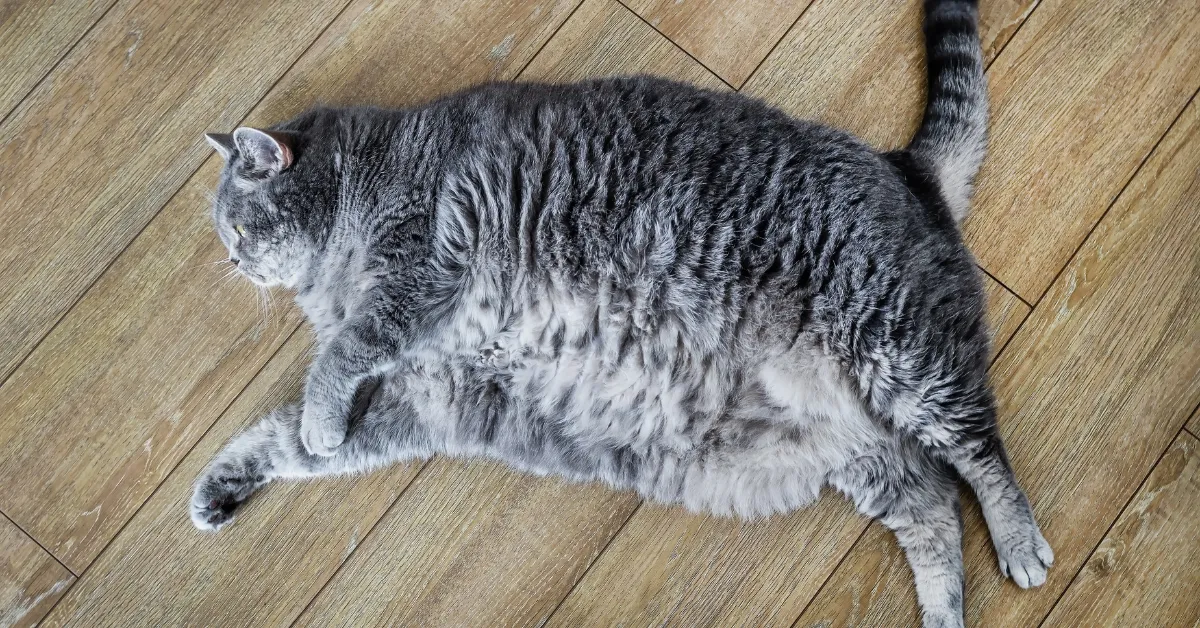
A lot of cat owners notice it within a few months of getting their cat neutered. The cat seems fine, eats the same food, moves around the same way, but starts looking rounder. By the time it is obvious, the weight is already there.
This is not a coincidence, and it is not just the food.
What Actually Changes After Neutering
Neutering reduces a cat’s energy needs by almost 30 percent. That is a significant drop. The cat’s body simply does not burn calories the way it used to, and if the food amount stays the same, the excess gets stored as fat.
Most owners do not adjust the portion size after surgery because no one tells them to. The bag of food still says the same thing it always said. The cat still finishes the bowl. Nothing looks wrong until the weight has already settled in.
The shift is hormonal. After neutering, the hormones that previously drove energy expenditure are no longer there. The cat becomes more sedentary and more efficient at storing energy. It is not a behavior problem. It is biology.
Why It Matters More Than It Looks
An overweight cat is not just a heavier cat. Obesity in cats is directly linked to diabetes, liver problems, and joint pain. Once a cat becomes obese, it tends to stay that way even after caloric intake is reduced, because the body has adjusted to storing energy efficiently.
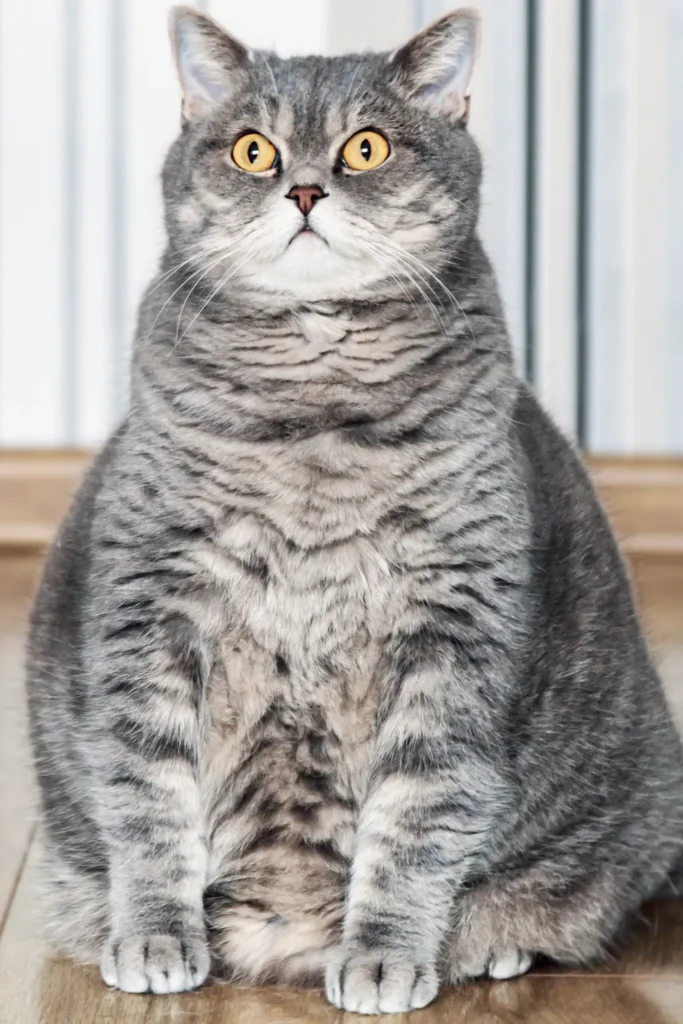
Cats that develop diabetes face a long road, and one of the most common reasons domestic cats develop it is weight gain that was not addressed early enough.
Veterinary nutritionists point out that most obesity cases come down to overfeeding combined with low activity, and that free-choice feeding, where food is left out all day, is one of the biggest contributors. For a neutered cat with a slower metabolism, free-choice feeding is especially risky.
The ASPCA recommends splitting the daily amount into two meals and adjusting based on body condition: you should be able to feel the ribs without pressing hard, and the waist should be visible from above.
Purina notes that energy needs drop almost 30 percent after spaying or neutering, and recommends asking a vet how to adjust the diet right after surgery rather than waiting until the weight shows up on the scale. Puzzle feeders and food distributor toys can also help slow down eating and add a small amount of activity back into mealtime.
A cat that spends most of its time alone and indoors is already burning fewer calories than one with more stimulation. Add neutering into that equation and portion control becomes one of the most practical things an owner can do.
The fix is not complicated. Reduce the portion, switch to a post-neuter or weight management formula if needed, and check in with a vet to confirm the amount is right for your cat’s size and activity level.
Conclusion
Did your cat gain weight after being neutered, and did you catch it early or after the fact? Share what worked in the comments below.
For more cat health and care tips, follow Furry Found on X (Twitter) and Facebook, and visit Furry Found for more.
This article is for informational purposes only.