

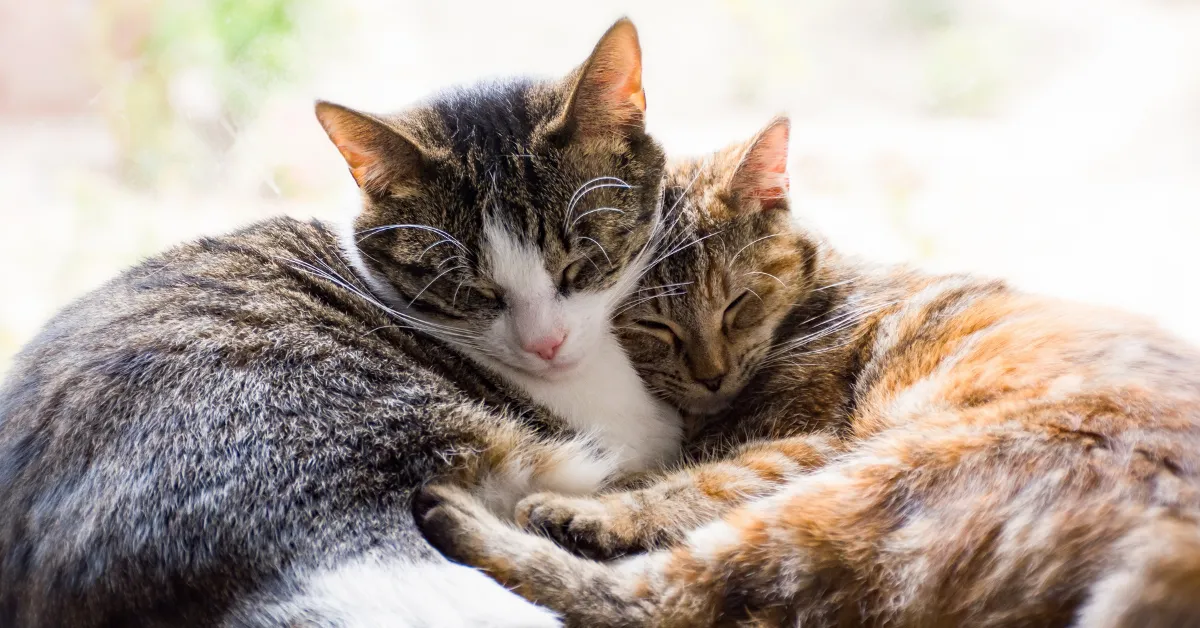
Owners often notice the change before they can explain it. The surviving cat starts searching the house, vocalizing more, eating less, or curling up in the other pet’s favorite spot. Some owners assume it is coincidence. It is not.
Cats notice when a companion is gone, and some of them show it in ways that are hard to ignore.
What the Research Shows
A survey of 412 pet owners published in Applied Animal Behaviour Science by researchers at Oakland University found that surviving cats meowed more, searched for the deceased pet, and ate, slept, or played less after a companion died. Cats that spent more time with the deceased showed stronger and longer-lasting changes.
What surprised many people was that it did not matter whether the companion was a dog or another cat. Cats responded similarly in both cases, which suggests the bond was with the individual animal, not the species.
An earlier study from 2016 found that for roughly six months after a housemate’s death, both cats and dogs sought more attention, vocalized more, and ate less. Owners sometimes expect the cat to bounce back in a week or two, and worry when it does not.
What Owners Get Wrong and What Actually Helps
The most common mistake is treating grief behavior as a behavior problem. A cat that stops eating, cries at night, or becomes clingy is not acting out. It is adjusting to an absence.
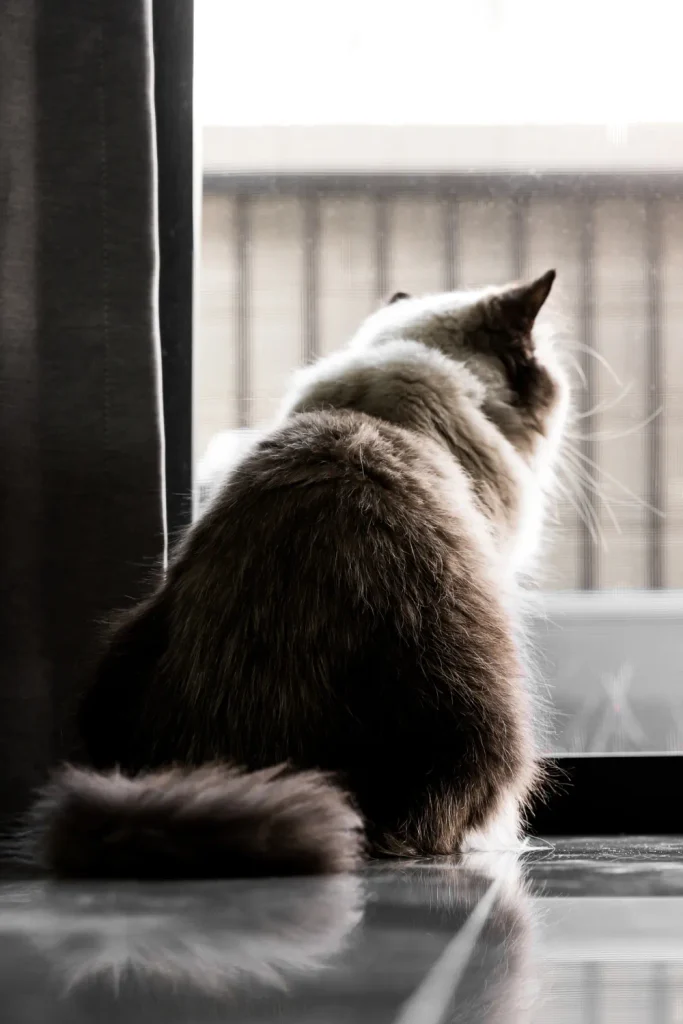
The ASPCA Companion Animal Mourning Project found that 65 percent of cats showed grief-related behavior changes after losing an animal companion, including reduced appetite, sleep disruption, and altered vocalization. That is the majority, not a sensitive minority.
Keeping the cat’s routine consistent helps most. Same food, same feeding times, same sleeping spots. Extra play sessions rebuild the sense of engagement the other animal used to provide.
Research confirms that cats with stronger bonds to the deceased showed more pronounced changes, so giving them space to adjust matters more than forcing interaction. Following the cat’s lead and staying consistently present tends to work better.
Cats already prone to behavioral shifts when routines change can take longer to settle after a loss. If eating stops entirely or the cat becomes unresponsive for more than a few days, a vet visit is worth it. Grief and illness look nearly identical from the outside, and the sooner the cause is identified, the better.
Conclusion
Did your cat change after losing a companion, and how long did it take before things felt normal again? Share what you noticed in the comments below.
For more cat behavior and care stories, follow Furry Found on X (Twitter) and Facebook, and visit Furry Found for more.
This article is for informational purposes only.