

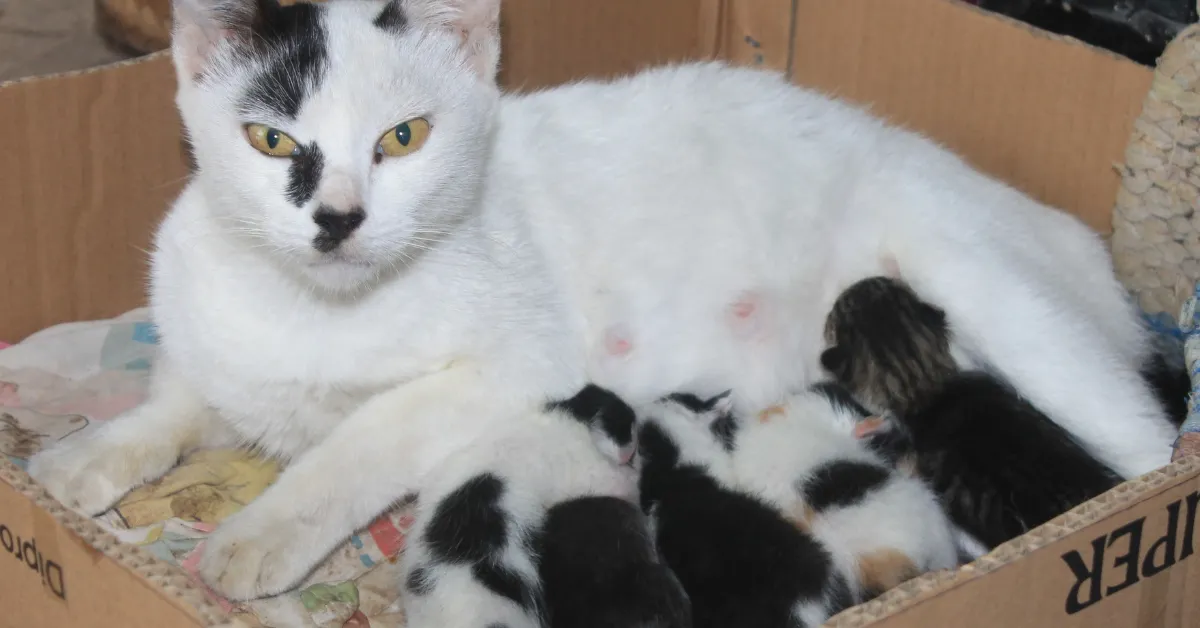
A nursing cat is doing more physical work than at almost any other point in her life. What she eats in the weeks after birth directly affects how well her kittens grow and how well she holds up through it.
Getting the food right is not complicated, but a few things matter more than most people expect.
Why Her Needs Change So Much After Birth
Producing milk takes a significant amount of energy. A nursing cat’s requirements rise each week of lactation and increase further with the number of kittens she is feeding.
The quality of what she eats matters as much as the quantity. Low-calorie food means she has to eat a larger volume to meet her needs, which can be hard when she is trying to stay close to the nest.
What to Feed Her
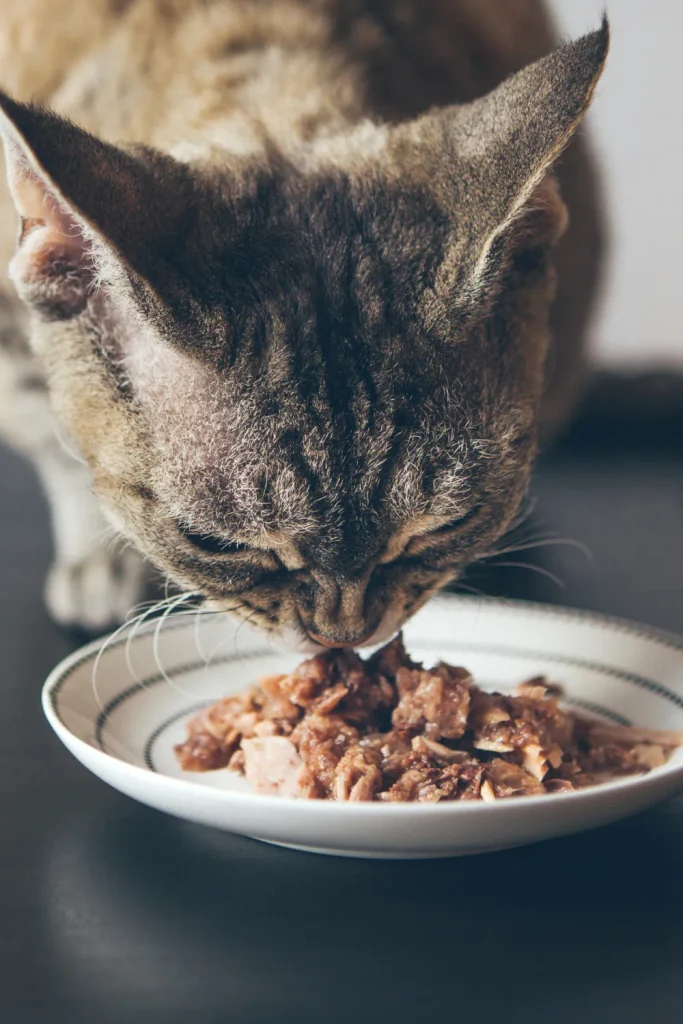
Switch to kitten food. Kitten food is higher in protein and fat, which a nursing cat needs while feeding her young. Both wet and dry work. Wet food also contributes to hydration, which matters when she is producing milk constantly.
According to VCA Hospitals, nursing cats have the greatest energy requirements of any life stage, with needs rising as lactation progresses and with the size of the litter. A food with high energy density lets her meet those requirements without having to eat a large volume at each sitting.
Cats that are eating less than they should, for any reason, often show it in ways that are easy to miss. In a nursing cat, this can show up as weight loss or kittens that are not gaining as expected.
How Often to Feed Her
Offer food at least three times a day. Free-choice feeding works well for most nursing cats since it lets her eat whenever she needs to rather than waiting for scheduled meals.
If leaving food out, weigh what goes in at the start of the day and what remains at the end.
Keep fresh water available at all times. Use a shallow dish, since deep water dishes are a hazard for neonates that may wander from the nest.
Watching for Problems
Weigh the kittens at least twice a day. If weight is stagnant or dropping, it may mean the mother is not producing enough milk, which can be tied to what she is eating.
Cats can develop health issues that affect appetite even when they appear outwardly fine. If a nursing cat seems reluctant to eat or is losing weight quickly, a vet visit is worth it.
After weaning, her calorie needs drop. What happens to a cat’s weight after a major hormonal shift is worth understanding before it becomes a problem. Tapering her food and separating kittens for increasing periods helps reduce milk production without discomfort.
Conclusion
Have you cared for a nursing cat before? Share what worked for you in the comments below.
For more cat care guides, follow Furry Found on X and Facebook, and visit Furry Found for more.
This article is for informational purposes only.