

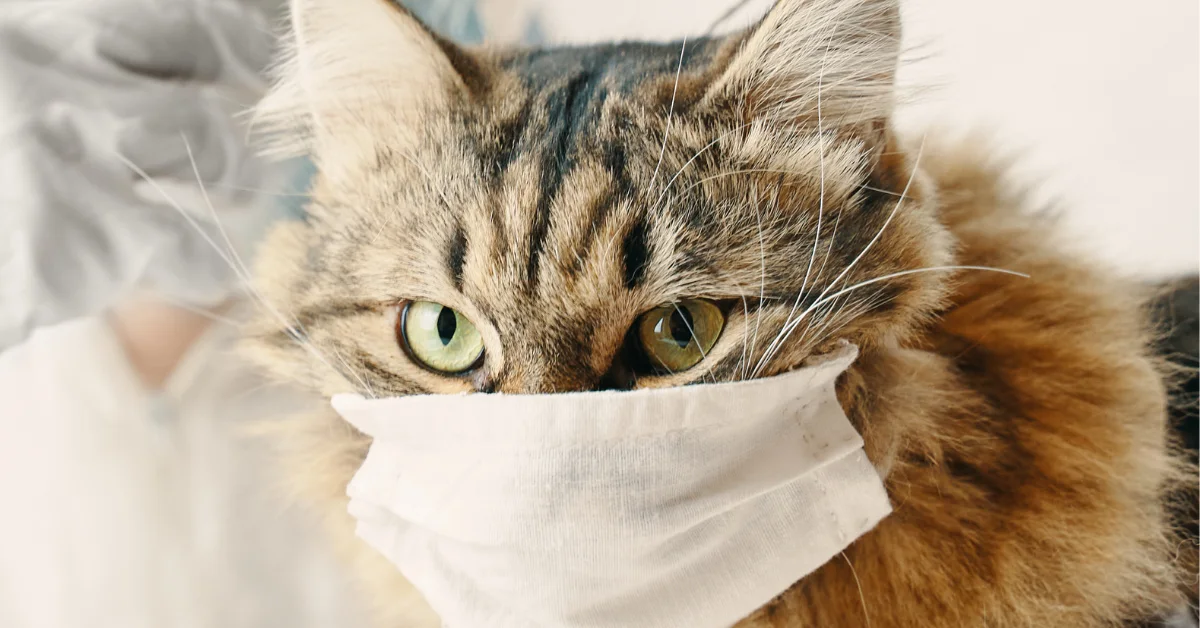
At least 15 cats in and around Wichita have died from feline panleukopenia, a virus that can kill in as little as 24 hours.
Here is the part being left out of most coverage: keeping your cat indoors does not make it safe.
This virus travels on shoes, clothes and hands. You can carry it home without ever touching a sick animal.
What the Virus Does
Feline panleukopenia is also called feline distemper or feline parvo. It attacks fast dividing cells in the bone marrow and the intestines.
White blood cell counts collapse, which leaves the cat unable to fight anything off.
Watch for a cat that goes quiet and stops eating. Then vomiting, diarrhea that may contain blood, fever and rapid dehydration.
Often the first sign is nothing dramatic. The cat is just dull and off its food.
When to Call the Vet
This is not a wait and see illness. With panleukopenia, hours matter.
Go now if your cat stops eating, vomits repeatedly, passes bloody stool, or feels cold to the touch. With a kitten, go sooner.
Tell the clinic on the phone that you suspect panleukopenia, which local vets are currently tracking. They will bring you in a separate way so the waiting room is not exposed.
The Part Nobody is Telling You
This virus survives on surfaces for up to a year at room temperature. It shrugs off freezing and sunlight.
Most cleaners do nothing to it. Alcohol does not work. Iodine does not work. Neither do the quaternary ammonium compounds in most household disinfectants.
What works is bleach, diluted about one part to 32 parts water, left on the surface for 10 to 15 minutes.
Clean the dirt off first. Bleach gets neutralized by vomit, urine and feces.
So take your shoes off at the door. Change clothes if you have handled another cat. Wash your hands.
Two Things People are Panicking About
You cannot catch this. Panleukopenia does not infect humans.
Your dog cannot catch it from your cat either. The feline virus is a relative of canine parvovirus, not the same thing.
But you can still carry it between cats. You will not get sick. You can absolutely be the reason another cat does.
What Actually Protects a Cat
The FVRCP vaccine covers panleukopenia, and properly vaccinated cats almost never get it.
The danger window is in kittens. Protection from their mother fades around six to eight weeks, and the vaccine series is not finished until about 16 weeks. That gap is where most deaths happen.
Kittens need a first shot at six to eight weeks, then boosters every three to four weeks until 16 weeks. Keep any new cat separate for at least two weeks.
One clarification worth making. A vaccine given after infection will not help, but that does not mean nothing can be done. Treatment is supportive, with IV fluids, anti nausea medication and antibiotics, and cats do survive it.
If You Have Already Lost a Cat
This was not your fault. The virus is everywhere and it is stubborn.
But your home is now contaminated. Porous things cannot be disinfected, so bedding, cat trees and cardboard scratchers should go.
Bleach the hard surfaces properly, with real contact time.
And do not bring an unvaccinated cat or kitten into that home for at least a year. A fully vaccinated adult is fine. A kitten is not.
A cat that survives can shed the virus for up to six weeks after it looks well, so keep it away from other cats.
Why This Matters
Panleukopenia kills roughly half the cats it infects. In untreated kittens that figure approaches 90% or higher.
Treatment does improve the odds, but how much varies a lot between studies. One Italian shelter study of 117 cats reported that only about one in five survived to discharge, while other research puts survival closer to half. Where a cat lands depends heavily on its age, weight and condition when treatment starts.
Cats that get through the first two or three days have a much better chance. Research points to the 72 hour mark, since cats whose white blood cell counts are still low at that point face a much higher risk of death. Low body weight, lethargy and a low body temperature at admission are also poor signs.
The virus can stay viable in an environment for up to a year without proper disinfection, which is why it does so much damage in shelters and rescues.
Wichita’s count of 15 is also unlikely to be complete. Cats that die at home often never get tested.
Nearly all of it is preventable with a vaccine that most clinics give as routine.
One Thing to Do Today
Find your cat’s vaccination record and check the date of the last FVRCP.
Do you actually know when your cat was last vaccinated? Tell us in the comments.
For more pet health news and practical guides, follow Furry Found on X and Facebook.
Disclaimer: This article is for informational purposes only and is not veterinary advice. If you think your cat may be sick, contact a veterinarian straight away.
[…] is worth reading alongside what happened in Wichita earlier this month, where 15 cats died from a different but equally preventable disease. In both cases, vaccination […]
[…] not set up to handle. Wildfire evacuations leave colony cats behind with no owner to claim them. Disease outbreaks spread through unregistered colonies before anyone can respond. And when something goes wrong, the formal systems people expect to step […]
[…] and neurological conditions, can look exactly like fear. This is especially worth knowing because a highly contagious virus spreading in parts of the US right now can present as lethargy and withdra…. What looks like shyness can sometimes be something that needs a vet, not more […]
[…] covers dehydration, organ stress and neurological damage that may not be fully visible right away. Health emergencies in cats can look different than most people expect, and in mass situations like this one, each animal may be at a different point in its […]