

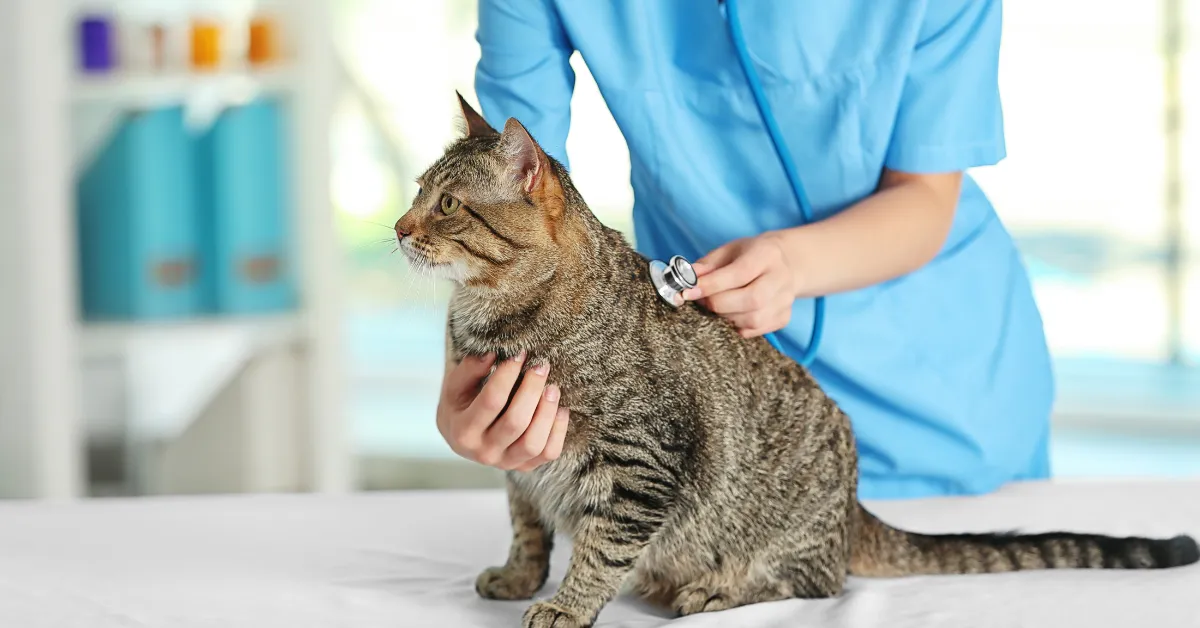
Dogs have always dominated the veterinary waiting room. That is starting to change.
New data from the CATalyst Council shows feline clinical visits rose 2.7% year over year in the third quarter of 2026, while canine visits declined over the same period. Cats now account for 24% of companion animal visits, up from 21% just three years ago.
What the Numbers Show
The data comes from Vetsource records across 6,595 US practices, published in CATalyst Council’s Feline Veterinary Market Insights: Volume VII. Feline visits have grown in each of the last 12 quarters, while overall visits across all species fell 1.9% year over year.
The kitten and puppy comparison stands out. Between July and September 2026, kitten visits dipped just 0.9% and are on track to finish about 11% above the pre-COVID baseline, which would mark the seventh straight year above that level. Puppy visits fell 10% and are on pace to finish 44% below that baseline.
Why This Matters
According to the AVMA’s 2025 Pet Ownership and Demographics Sourcebook, cats now number 76.3 million in the US, up from 73.8 million the year before, and the share of new cat owners has climbed from 43.5% to 47.6% in just two years. More people are bringing cats into their homes, and more of those cats are showing up at the vet.
The question is whether that trend holds. Gina Fortunato, executive director of CATalyst Council, told dvm360 that the key question is “how many of those kittens are still coming in as they age.” Right now, the data suggests a real shift in how cat owners think about veterinary care, not just an adoption spike.
One driver is cultural. The 2026 State of the Cat household survey found that 62% of cats arrive through informal channels, such as found strays or litters born at home. These cats often miss the early vet visits that come with adopting from a shelter or breeder.
Cats hide pain well, and owners who understand that tend to take preventive care more seriously. A cat that seems fine is not always fine.
What It Means for Cat Owners
The CATalyst Council report frames each new kitten as either a potential 15-year patient relationship or a one-time visitor. A cat that sees a vet regularly through kittenhood is far more likely to keep going as an adult.
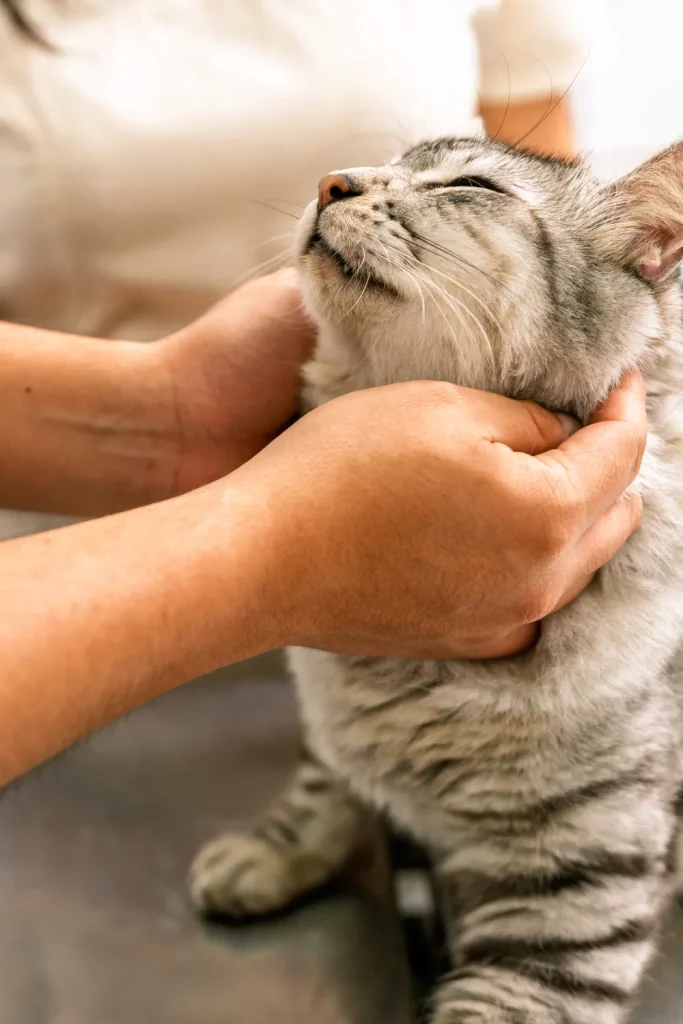
Knowing what is normal for your cat, including how much they eat and whether they seem withdrawn, is what makes early problems catchable. By the time symptoms are obvious, things have often already progressed.
Conclusion
Has your cat’s vet routine changed in the last few years? Share what works for you in the comments below.
For more on cat health and what the latest research is showing, follow Furry Found on X and Facebook, and visit Furry Found for more.
This article is for informational purposes only.