

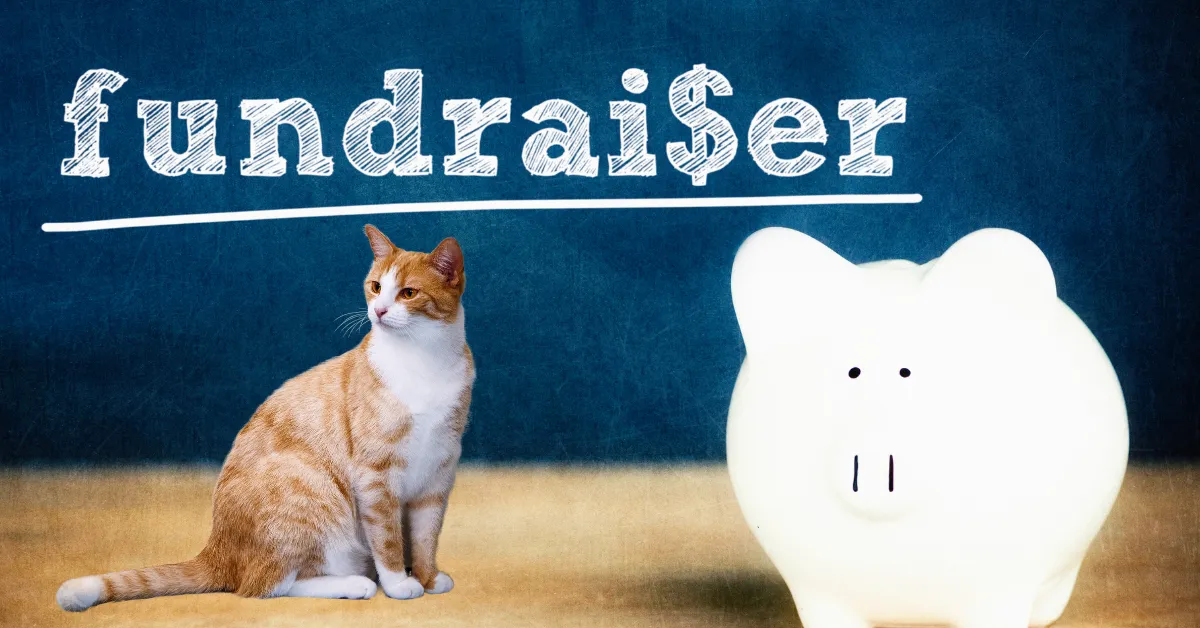
Fifteen years. That’s what Rodney Travis Jr. got, not for hurting a person, but for torturing cats and turning it into a business.
Travis, 27, pleaded guilty this week in Henrico County, Virginia, to animal abuse and computer fraud. Prosecutors say he beat and injured nearly 20 cats, then filmed the aftermath and posted it on TikTok, Instagram, and YouTube, claiming the animals had cancer.
People didn’t know they were funding abuse. They thought they were saving a dying pet.
Here’s the number that got buried in most coverage.
Prosecutors say Travis raised more than $400,000 since 2023 from people who believed his story. That’s not a small con. That’s a full operating business built entirely on staged suffering.
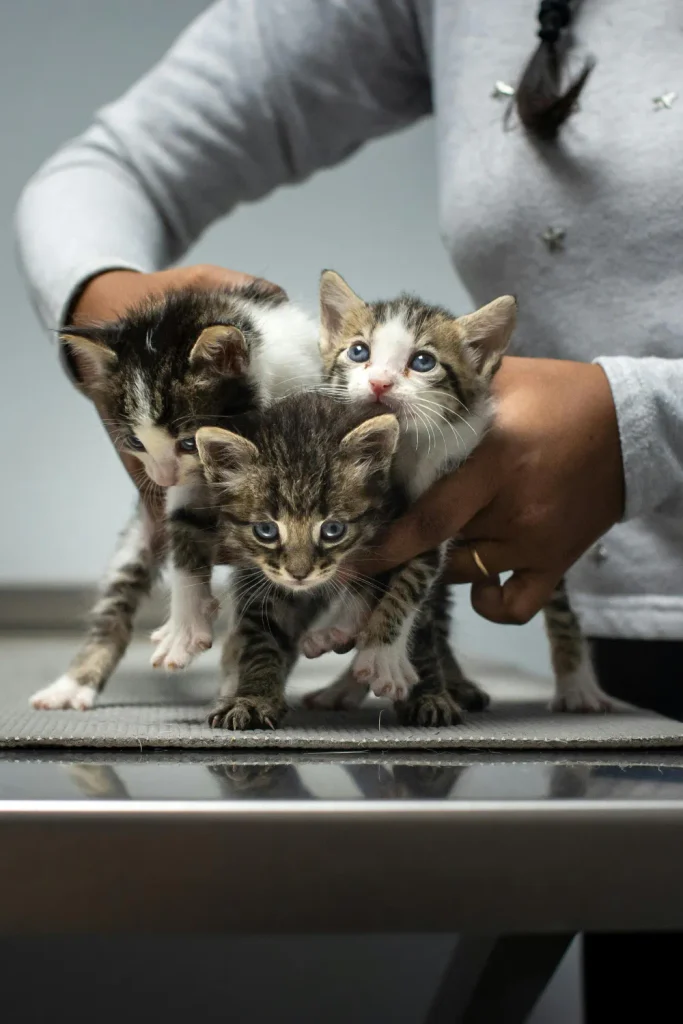
He was caught after a Henrico hotel reported blood and cat hair in a room he’d checked into. That led investigators to his apartment, where they found six rescued cats: five survived, one named Vivi did not.
They also found blood-soaked cat beds, devices used to film and edit the fraud, and a whiteboard laying out the scheme’s details.
Why 15 years is the part worth sitting with.
Virginia’s felony animal cruelty law normally caps out at 5 years. Travis got three times that.
The plea agreement doesn’t spell out the exact math behind the number, but he pleaded guilty to both animal cruelty and computer fraud charges together, and stacking separate offenses like that is typically how a sentence climbs well past a single charge’s usual limit.
This also isn’t a one-off internet horror story. The FTC has logged $2.7 billion in social-media-originated losses between 2021 and 2023 alone, and fake fundraisers are a known part of that number. Sick-animal appeals work because they skip logic and go straight for guilt.
How he got caught is the one hopeful part of this.
It wasn’t a tip line. It was strangers, in France, the UK, Arizona, California, piecing together clues from his own posts and reporting him before local police even had a file open. You can read the full court details in the original report from Courthouse News here.
This also wasn’t Travis’s first run at this. He’d previously raised over $300,000 in a separate scam in California, soliciting donations under a different guise, though no charges were filed there.
His father, Rodney Travis Sr., also pleaded guilty to lesser charges tied to the scheme.
One rescued cat, now named Sisu, is doing well with his new family. Cats that survive trauma like this don’t just bounce back overnight. It’s slow, patient work, the same kind we’ve broken down in how to earn a shy cat’s trust.
So how do you actually protect yourself from this?
Before donating to any “sick pet” post, check for a named vet or clinic. Legit fundraisers tag one. Be wary of guilt-heavy captions with zero verifiable shelter link attached.
Nonprofit branding isn’t automatic proof either. Upland’s hoarding case tied to a cat rescue nonprofit is a reminder that a good-sounding org name doesn’t guarantee what’s actually happening behind it.
Put your money instead toward shelters visibly doing the work, like the teams right now trying to place nearly 100 cats surrendered from two Massachusetts homes.
Have you ever almost fallen for a fundraiser like this? Tell me in the comments, I genuinely want to hear it.
For more real pet-safety stories like this, follow Furry Found and catch us daily on X and our Facebook page too.
Disclaimer: This article is for informational purposes only.