

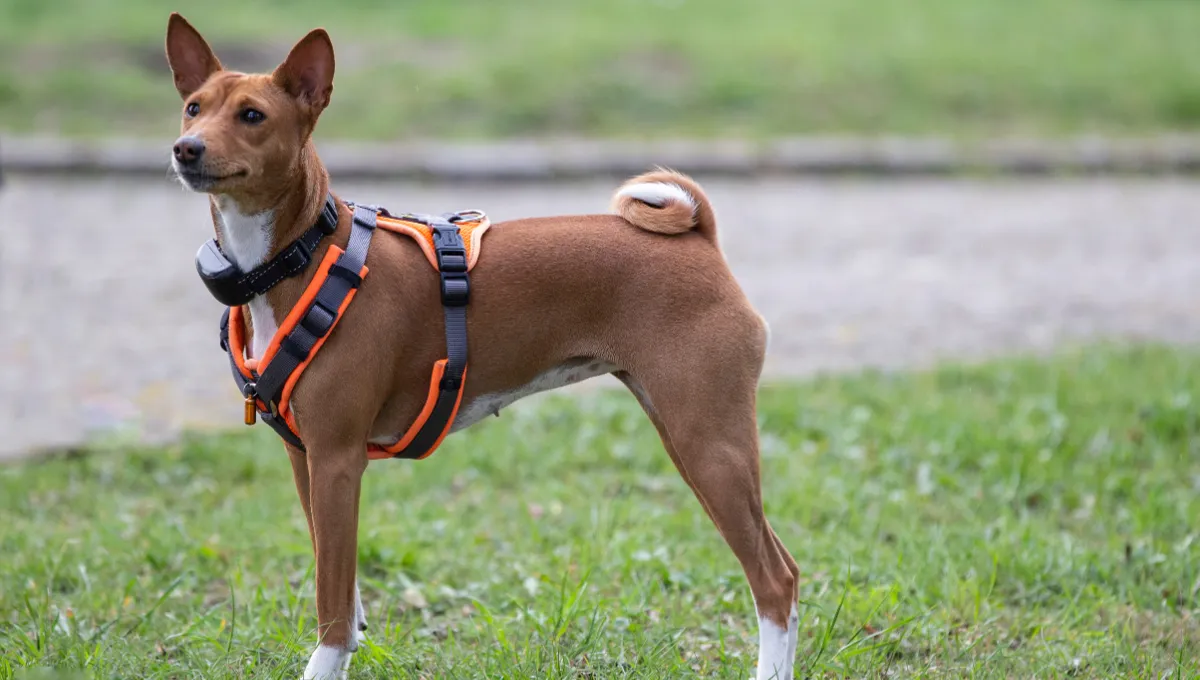
Most dogs don’t need a harness. Most dogs that pull do.
That one sentence contains the entire debate. But the details matter, so here is what four veterinarians and trainers actually said.
1. A Collar Is Fine If Your Dog Already Walks Well
Robert Haussmann, certified dog trainer and co-founder of Dogboy NYC, is direct about it: “If a dog is already trained to happily walk at your side, then a flat buckle collar is a fine choice.”
The collar is not the problem. Leash pressure on a dog that pulls is the problem.
2. Harnesses Protect the Trachea and Spine
When a dog pulls against a collar, the pressure goes directly to the neck. The trachea, the spine, and surrounding tissue absorb every lunge.
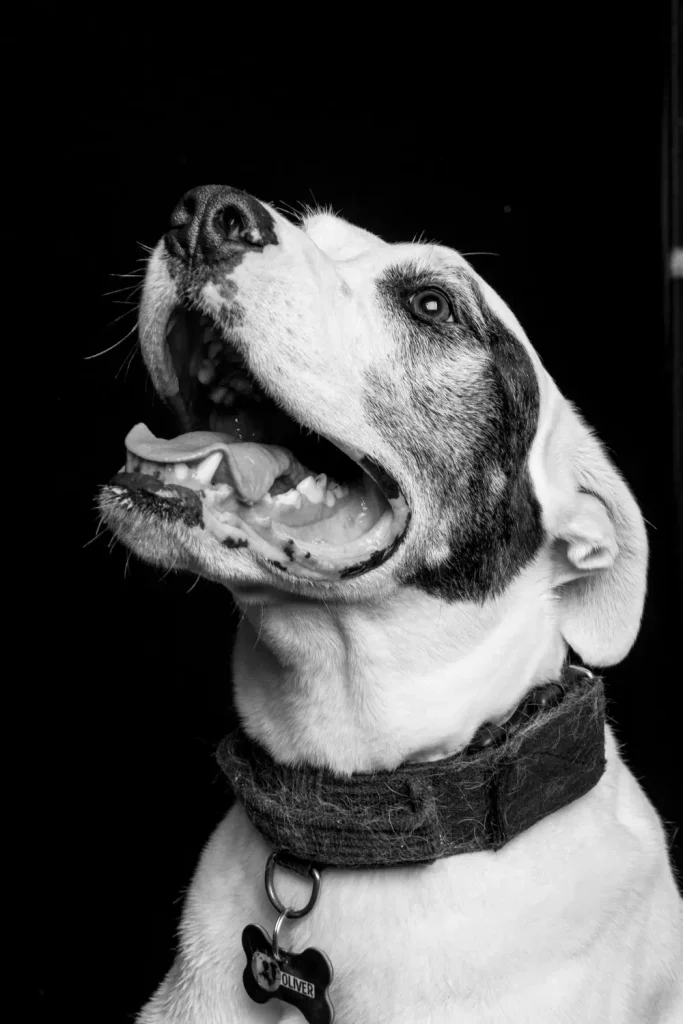
For Bulldogs, Pugs, and French Bulldogs, this is not optional. Their airways are already compressed. Collar pressure during walks adds to that.
Dr. Natalie Marks of VCA Blum Animal Hospital says it plainly: “I always prefer harnesses — they limit pull and pressure on the windpipe, and disperse that pull across the front of the body in an even distribution.”
When Pasadena firefighters pulled a dog unconscious from a burning home, the right handling made all the difference. The same principle applies every time you clip a leash.
3. Front-Clip Harnesses Work Differently Than You Think
Most people assume a harness just moves where the leash attaches. Front-clip harnesses actually change how pressure works.
All dogs have an oppositional reflex: when they feel pressure, they push against it. A back-clip harness lets the dog lean their full body weight forward. A front-clip harness redirects that energy sideways instead, turning the dog back toward you when they pull.
As NBC Select’s expert guide on dog harnesses explains, Haussmann says a front-clip attachment means “the dog has a harder time pushing against the pressure of the harness.”
4. Front-Clip Harnesses Can Also Backfire
This is what most harness articles skip.
If your dog leans backward or refuses to walk, a front-clip harness can make the problem worse, not better. Haussmann: “That reflex to pull against the pressure works in both directions: If you’re pulling from the front while your dog leans back into the harness, you can make a bad habit worse.”
Have you ever switched harness types and noticed a difference in how your dog walks? Tell me in the comments.
5. The Two-Finger Rule Is the Only Fit Test You Need
Dr. Abel Gonzalez of Dutch says you should be able to fit two fingers between your dog’s body and the harness straps. Too tight causes abrasions and makes dogs hate wearing it. Too loose and they slip right out.
Haussmann adds: make sure the front strap is not hanging too low or rubbing under the armpits.
6. Dogs With Neck Injuries or Health Issues Should Always Use a Harness
Dr. Marks specifically recommends harnesses for small dogs, puppies, and any dog that has previously had a neck injury.
If your dog has any history of neck injury or respiratory issues, a collar should not be used for leash walking.
Senior dogs are especially vulnerable to neck strain. These senior dog care tips cover what changes as your dog ages and why switching to a harness earlier is often the right call.
7. Back-Clip Harnesses Are Comfortable but Not Great for Pullers
Alison Creighton, a registered veterinary technician at VCA Lakewood Animal Hospital, notes back-clip harnesses are generally more comfortable and less likely to tangle around a dog’s legs.
But Haussmann is clear: dogs with a pulling habit can rest their full body weight forward against a back-clip harness, which makes pulling easier, not harder.
Why This Matters
According to the American Veterinary Medical Association’s pet walking safety guidance, the safest walking setup depends on your dog’s size, training level, and any existing health conditions. The goal is not which tool looks better, but which one causes the least harm if something goes wrong.
The right equipment matters even more on uneven terrain. Fall hiking with your dog comes with its own set of risks where a poorly fitted harness can become a serious problem fast.
Key Takeaways
- Collars work fine for well-trained dogs that do not pull.
- Harnesses protect the trachea and spine from leash pressure.
- Front-clip harnesses redirect pulling by bypassing the oppositional reflex.
- Front-clip harnesses can backfire for dogs that lean backward or refuse to walk.
- The two-finger fit rule applies to every harness regardless of type.
- Brachycephalic breeds and dogs with neck injuries should always use a harness.
The Short Answer
Harness or collar depends on your dog. But if your dog pulls, lunges, or has any neck sensitivity, a harness is the safer tool every time.
Share which one works for your dog in the comments, and follow Furry Found on X and our Facebook page for more practical pet guides like this.
Disclaimer: This article is for informational purposes only and is not a substitute for veterinary advice.
[…] right equipment makes everything easier. Our breakdown of whether harnesses are actually better than collars covers what vets and trainers actually recommend based on your dog’s size and […]