

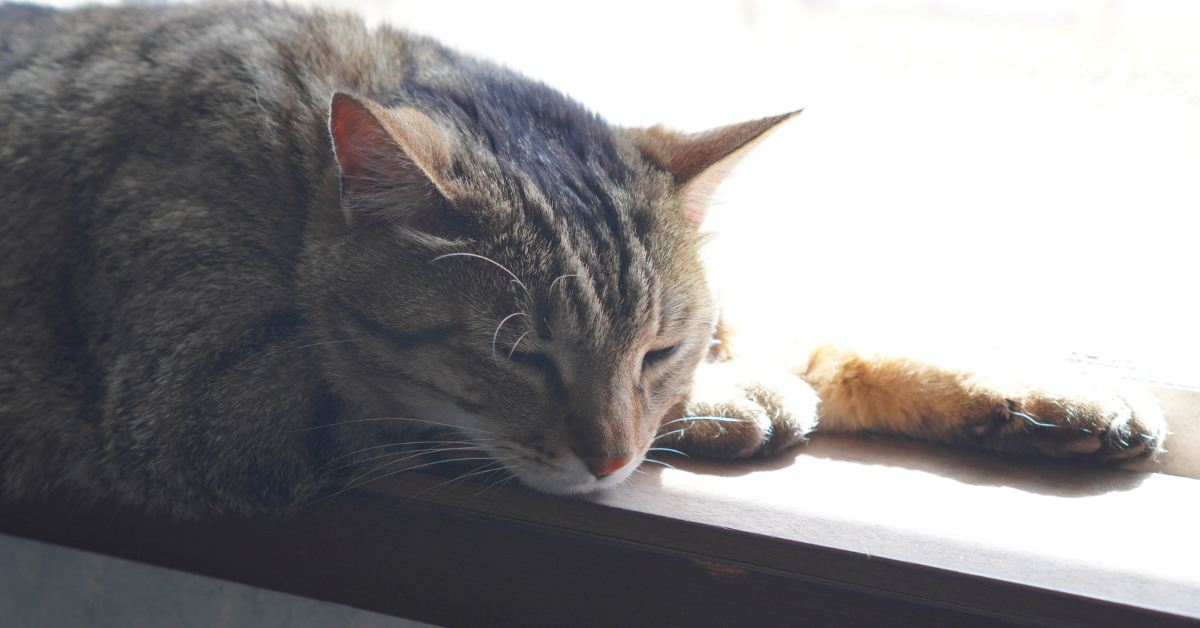
A cat that suddenly sleeps more, plays less, and seems less interested in food around November is doing something owners tend to misread. Some worry it is depression. Some assume the cat is sick. Most of the time, it is neither.
Winter changes how cats behave, and the reasons are more physical than emotional.
What Is Actually Happening
Cats are crepuscular, meaning they are naturally most active at dusk and dawn. When the days get shorter, those windows shrink, and the cues that normally drive a cat to move and hunt become less frequent.
The result is a cat that sleeps more, engages less, and sometimes eats slightly differently than it did in summer. Owners notice it clearly because the shift happens over a few weeks and feels like something changed.
It is worth separating this from illness. A cat that suddenly sleeps far more than usual, stops eating, or withdraws from contact may be sick. Cats hide pain well, and the signs of physical discomfort often look identical to seasonal sluggishness.
When the change is sudden or severe, a vet visit is the right first step, not an assumption that it is just winter.
What Owners Are Getting Wrong
The more common mistake is assuming the behavior needs to be fixed with more sunlight. Catster points out that while some owners try to boost their cat’s mood through sun exposure, excessive sunlight is actually linked to certain cancers in cats, particularly in white-furred or sparsely-coated cats.
Warming the home is a better approach than relying on a sunny window all day.
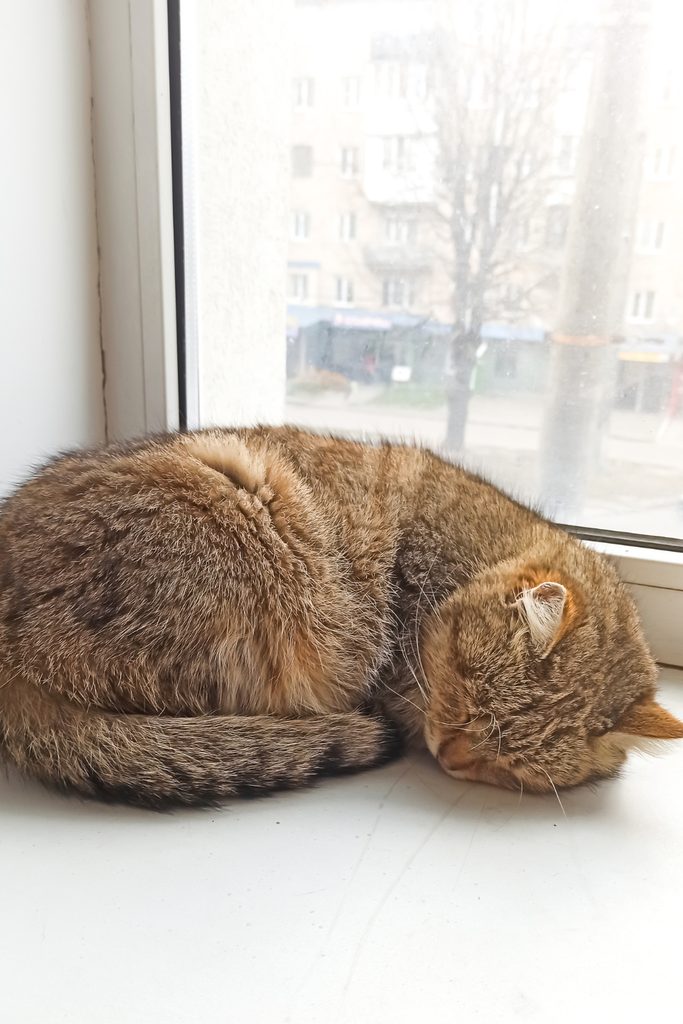
Cats can sleep anywhere from 12 to 16 hours daily under normal conditions, and much of that rest is tied to conserving energy between hunting bouts. In winter, with fewer environmental cues, that number can climb without anything being wrong.
What actually helps is not trying to recreate summer. It is keeping the environment interesting enough that the cat has reasons to move when it is awake.
Feline behavior experts note that warning signs like excessive sleepiness, loss of appetite, and social withdrawal can signal an underlying health problem rather than seasonal mood, which is why tracking a cat’s baseline matters more than trying to diagnose by feel.
Consistent feeding times, daily play sessions, and rotated toys keep cats more engaged through the slower months without requiring anything complicated.
The same season that makes cats quieter also brings hazards that are easy to overlook. Paw care matters more in winter than most owners realize, especially for cats that go outside even briefly.
And cats that spend long stretches alone and unstimulated during the day are more likely to become sedentary, which winter amplifies. For outdoor cat shelters, the setup inside makes a bigger difference than most people expect.
Conclusion
Have you noticed your cat slowing down in winter, and how do you tell the difference between normal and something worth calling the vet about? Share what you have seen in the comments below.
For more cat care tips and stories, follow Furry Found on X (Twitter) and Facebook, and visit Furry Found for more.
This article is for informational purposes only.