


Most first-time dog owners spend weeks researching breeds and buying supplies. Then the dog arrives, and none of that prepared them for what actually happens.
Here is what to know before day one, not after.
1. This Is a 10 to 15 Year Commitment
Not a season. Not a phase. A dog adopted today will likely still be with you in 2040. That changes every decision you make from here.
2. The First Year Will Cost More Than You Expect
According to Kika-USA’s first-time dog owner guide, the ASPCA estimates the first year of dog ownership costs approximately $3,200, with annual expenses averaging around $1,400 after that. That is before any emergency vet bills.
Budget for this before the dog arrives, not after.
3. Dog-Proof the Home Before Day One
Remove electrical cords, toxic plants, medications, and small objects that can be swallowed. Put baby gates up. Secure the yard.
One of the first gear decisions new owners face is whether to use a collar or harness. This guide on whether harnesses are really better than collars breaks down what the research actually shows, which is worth knowing before the first walk.
4. See the Vet Within the First Week
Not “sometime soon.” Within the first week. This establishes a health baseline, starts or updates vaccinations, and lets you ask every question you have been saving up.
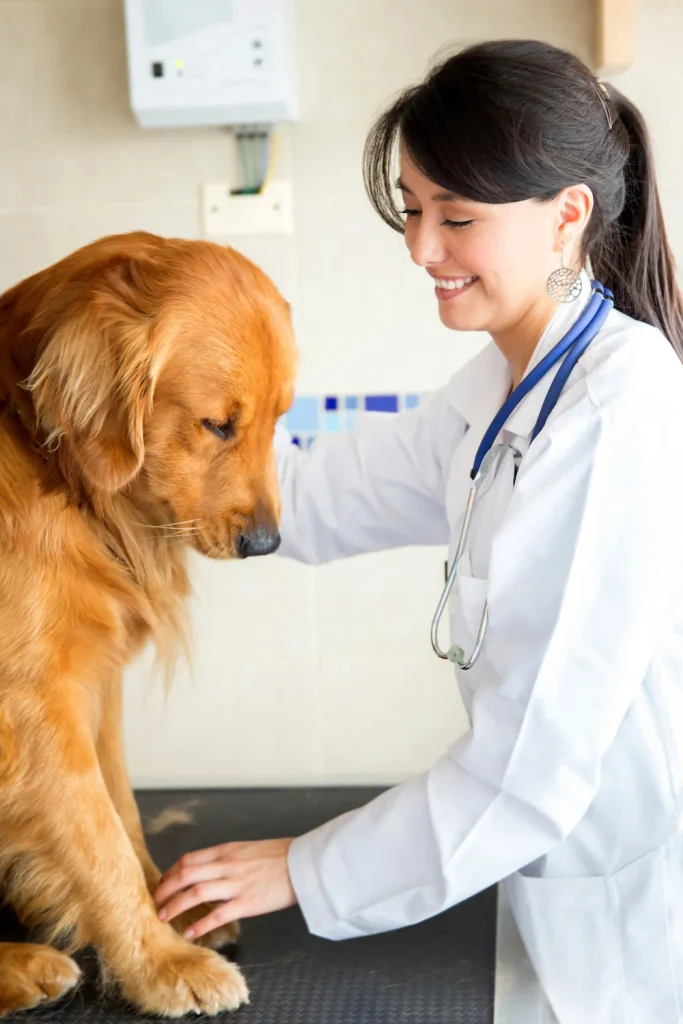
If microchipping has not been done, this is the moment.
5. Routine Is Not Optional
Dogs do not handle unpredictability well. Same feeding times, same potty schedule, same bedtime. Puppies need outdoor breaks roughly once per hour for each month of age.
The dog will adjust to almost anything as long as it is consistent.
Have you ever had a dog surprise you with unexpected behavior in the first few weeks? Tell me in the comments.
6. The Socialization Window Closes Early
The critical socialization period for puppies runs roughly until 12 to 16 weeks. After that, new experiences become harder to process without anxiety.
Socialization happens mostly on walks, which makes how you walk your dog matter more than most new owners realize. These common dog walking mistakes cover what owners get wrong from the very first week, often without realizing it.
7. Positive Reinforcement Works. Punishment Does Not.
Reward what you want more of. Ignore or redirect what you do not. Start with sit, stay, come, and leave it. Those four commands cover most real situations.
8. Treats Are Not Free Calories
Treats should make up no more than 10 percent of your dog’s daily caloric intake. Food transitions should also happen over 7 to 10 days. A sudden food switch causes digestive issues that new owners often mistake for illness.
9. Grooming Starts Before You Think You Need It
Get your dog comfortable with being touched on their paws, ears, and mouth from the first week. Brush teeth 2 to 3 times weekly minimum. Trim nails every 2 to 4 weeks.
Starting early means grooming stays manageable. Waiting means it becomes a struggle.
10. Every Dog Is Different from Day One
Breed research gives you a general idea. Your actual dog will surprise you. Some take a week to settle in. Some take months. Patience is not a suggestion.
A dog adopted today will need very different things in ten years. These senior dog care tips are worth bookmarking now so you know what is coming and can plan for it well before it arrives.
Why This Matters
According to AVMA’s 2025 US pet ownership statistics, dogs are present in 42.6 percent of American households, totaling more than 87 million dogs nationwide. First-time owners represent a significant share of new adoptions every year, and the early decisions they make have a disproportionate impact on long-term outcomes for both dog and owner.
Getting the first weeks right matters more than most people realize.
Key Takeaways
- Budget for approximately $3,200 in year one before committing.
- Vet visit within the first week, not “sometime soon.”
- Routine and consistency matter more than any single tip.
- The socialization window is short. Use it.
- Treats stay at 10 percent of daily calories.
The Dog Is Ready. Are You?
The supplies are bought. The home is set up. The last thing to prepare is your mindset. Dogs read consistency, patience, and calm better than any command you teach them.
Share your thoughts in the comments, and follow Furry Found on X and our Facebook page for more practical pet guides like this.
Disclaimer: This article is for informational purposes only and is not a substitute for veterinary advice.