

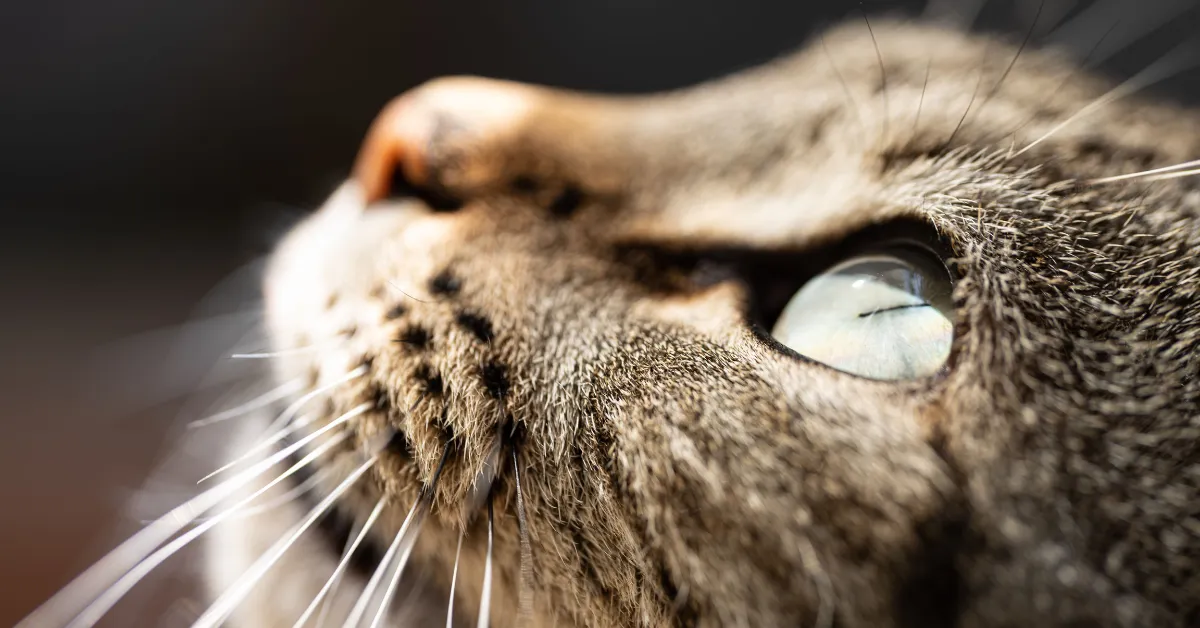
Cats do produce tears. But according to veterinarians, those tears have nothing to do with emotion. If a cat has watery eyes, the cause is physical, not a sign that something is upsetting it.
That distinction matters, because the causes are treatable, and most owners miss them.
What Cats Actually Do When They Are Sad
Cats do grieve. When a bonded pet or family member dies, a cat may withdraw, hide, become less social, or stop eating. Those are the real signs of a cat in distress.
Ashley Saffire, DVM, who founded the Cat Specialty Center at Faithful Friends Veterinary Clinic and is president of the Feline Veterinary Medical Association, put it plainly: watery eyes are “definitely not because your cat is sad.”
What Causes Watery Eyes in Cats
The medical term for excessive tearing is epiphora. Dr. Saffire describes it as very common, and there are several reasons it happens.
Upper respiratory infections are among the most frequent causes. Feline herpesvirus is the most common cause of conjunctivitis in cats, and once a cat is infected, the virus can stay dormant and flare up again under stress. Tearing, sneezing, and nasal discharge often appear together.
Allergies can also trigger watery eyes, though they are less common in cats than in dogs or people. Environmental triggers include pollen and dusty litter.
Corneal ulcers are wounds on the cornea from trauma, infection, or disease. Dr. Saffire described them as extremely painful, and a cat with one will often squint or keep the eye closed.
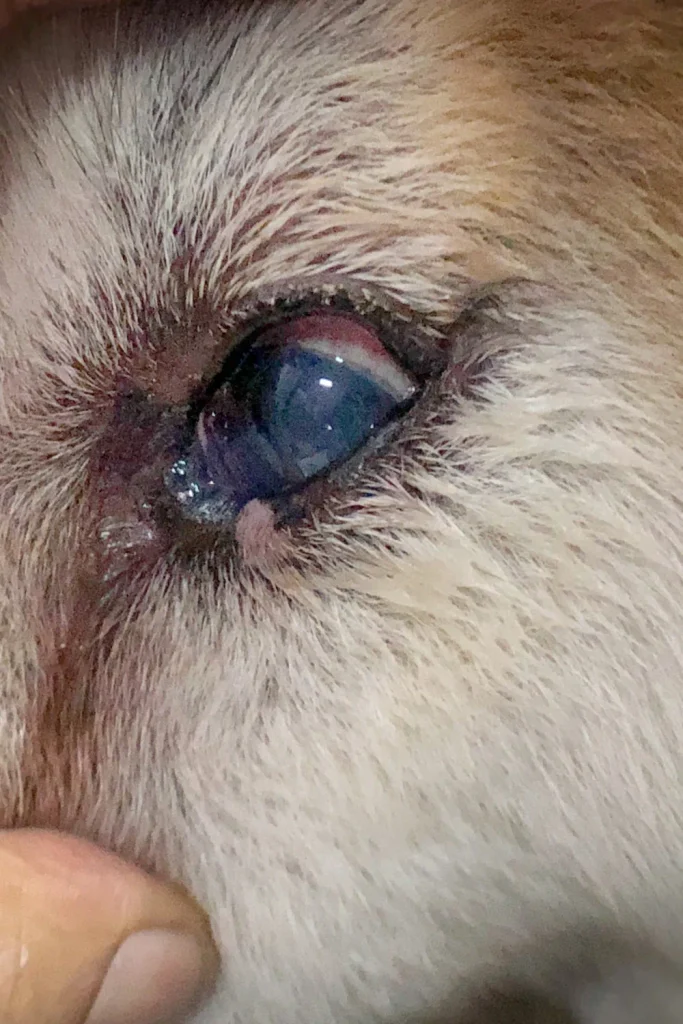
Conjunctivitis, or pink eye, causes tearing along with redness and swelling. Dr. Saffire noted it is really painful and can be caused by a virus or bacteria.
When to Call a Vet
If tearing is new, or comes with sneezing, nasal discharge, reduced appetite, or lethargy, a vet visit is worth making. Cats hide illness well, and symptoms that seem mild can point to something that needs treatment.
Cats that show changes in appetite or energy levels alongside eye symptoms are often dealing with more than one thing at once. A proper eye exam can identify what is actually going on.
Dental disease is another condition cats mask well, and it can sometimes affect the structures near the eye. If a vet visit is happening anyway, it is worth a full checkup.
A cat that has stopped engaging the way it used to may be dealing with more than just a physical issue. Both things are worth addressing.
Conclusion
Has your cat ever had unexplained watery eyes? Share what the cause turned out to be in the comments below.
For more cat care guides, follow Furry Found on X and Facebook, and visit Furry Found for more.
This article is for informational purposes only.