

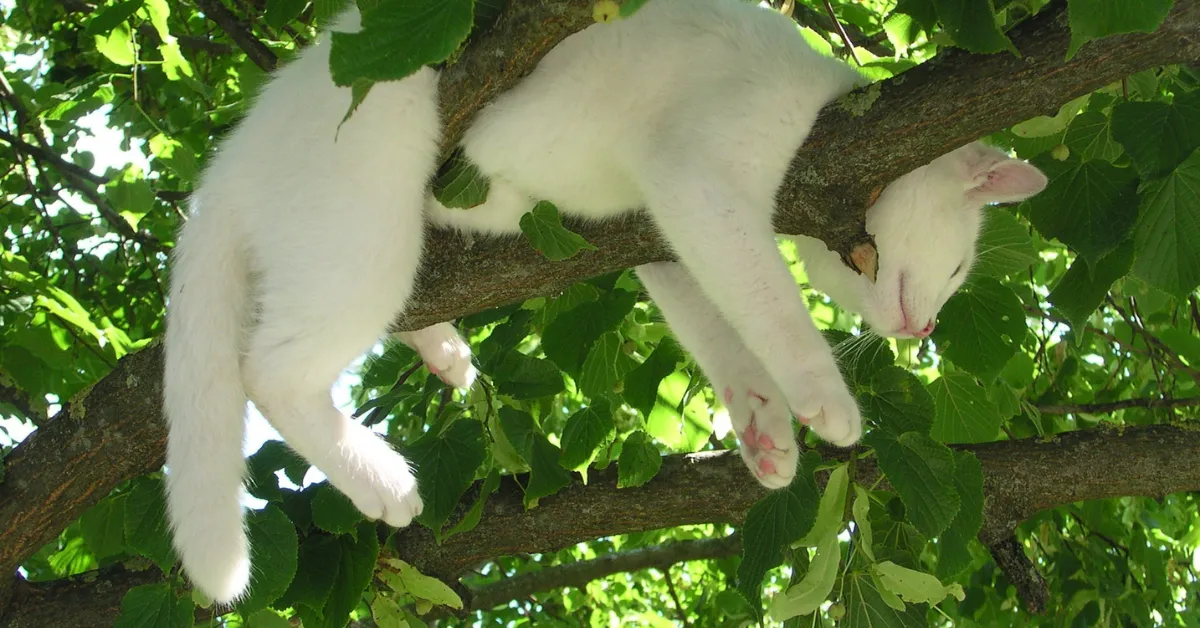
The Colorado Springs Fire Department posted a message on social media Wednesday that reads less like a public safety announcement and more like a department that has genuinely had enough.
“Please. Stop. Climbing. Trees. After. Your. Cat.”
What Prompted It
According to the department, firefighters have rescued “entirely too many humans from trees this year because they climbed up after their cat and then realized getting down was a whole different situation.”
That is not a hypothetical. In May, a woman climbed 50 feet into a tree near Circle Drive and Yuma Street after her cat had been up there for several hours. CSFD deployed Heavy Rescue and High-Angle Rescue crews. Lt. Drew Cahill said they fitted her with a harness and climbing ropes, she tucked the cat into her shirt, and firefighters lowered them both. The whole operation took 30 minutes.
Everyone was fine. The point stands.
What CSFD Actually Said
The department’s post covered the basics, and the tone was deliberate.
“We can assure you: cats like to chill in weird places. As a cat owner, you already know this. Most of the time, your tiny tree goblin will come down when their little adventure is over.”
The department said a cat in a tree is not a 911 emergency. It should also not become one.
If the cat seems genuinely stuck, the recommended options are a local tree company, an arborist, or one of the independent climbers in Colorado Springs who specialize in getting cats out of trees.
The department said it better than anyone else could.
If things are looking bad and none of those options are working, the non-emergency number is 719-444-7000. If a crew is available and not responding to an actual emergency, they can come assess the situation.
And in the meantime, CSFD asked that owners “have a serious conversation with their cats about their life choices.”
What This Actually Means for Cat Owners
The practical message is the same one Sacramento families got the hard way this year.
In Sacramento, a cat named Cinder was stuck in a 30-foot cypress for more than 21 hours. The family called city services, police, fire and animal control. Nobody came. They eventually found a private tree company from Oroville that happened to be nearby. It cost $160.
The lesson from that case and this one is the same: the tree company is the answer, not the fire department. Firefighters rescuing humans who climbed up after their cat is a predictable outcome of that not being understood.
Why Cats Come Down on Their Own
Cats go up trees for the same reason they get into any elevated space: height feels safe. The problem is that cat claws curve inward, which makes going up easy and coming down difficult without turning around or backing down slowly.
Most cats figure this out within 24 to 48 hours when they get hungry enough and the chaos below settles. Staying at the base of the tree, keeping the area quiet, and putting food and a familiar-smelling item down are the moves that actually work.
Climbing up after them introduces a second problem into the situation without solving the first.
Why This Matters
Fire departments say some version of this every year. Colorado Springs is sharper than most because the department has the receipts from this specific year in this specific city.
The Kingston, New York feral cat case that required sedation and a vet on scene is a different kind of stuck. A cat wedged behind a wall is a rescue situation. A cat sitting in a tree watching the yard is not, at least not yet.
CSFD’s non-emergency number is 719-444-7000. Use it after the tree company, not instead of it.
Has your cat ever been stuck somewhere you couldn’t reach? Tell us how it ended in the comments.
For more rescue news and practical pet guides, follow Furry Found on X and Facebook.
Disclaimer: This article is for informational purposes only. Contact your local fire department’s non-emergency line for guidance specific to your situation.