

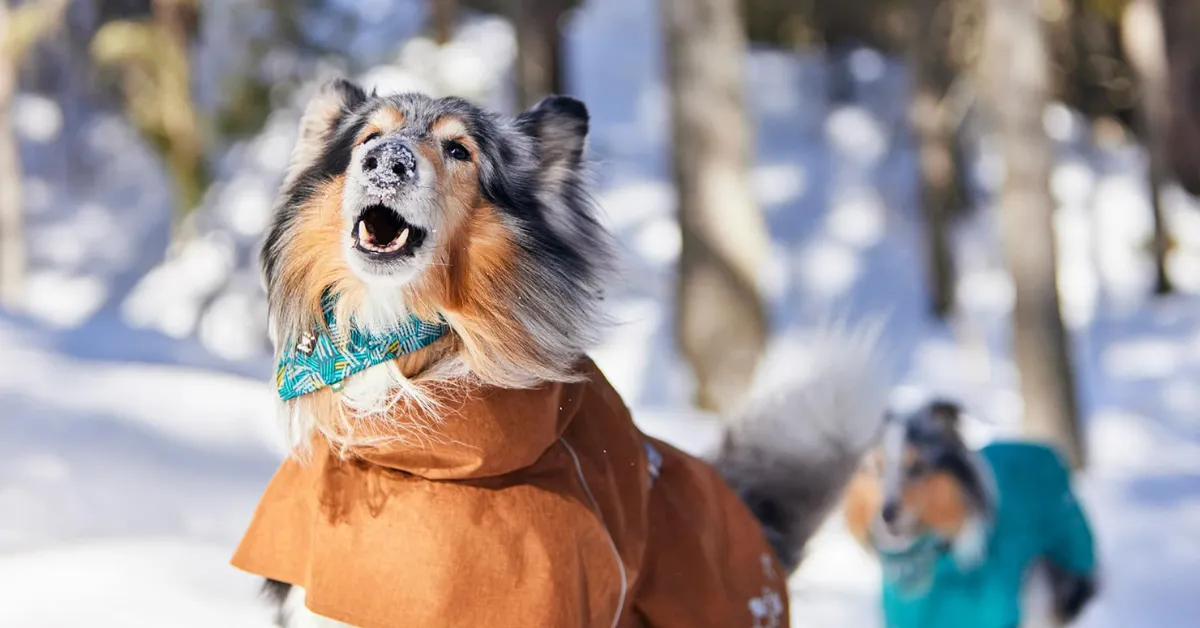
I hear the same line every winter: “He has fur, he’ll be fine.”
But picture a greyhound at the end of the driveway, one paw lifted, refusing to take another step. That dog isn’t being dramatic. He’s cold.
If you’ve skipped the jacket because your dog looks sturdy, this one’s for you.
Which Dogs Actually Get Cold
Fur isn’t the same as insulation. A thick double coat, like a Husky’s or a Bernese’s, works like a built-in parka.
A short single coat doesn’t. Add low body fat, a small frame or a fresh clip, and heat leaves fast.
The American Kennel Club lists small and toy breeds, hairless dogs, clipped Poodles, low-to-the-ground dogs like Dachshunds, and lean dogs like Whippets. Puppies and seniors feel the cold sooner too.
The Big Dogs People Forget
Size doesn’t protect a thin coat. Vets point out that Great Danes, Greyhounds and even some Pit Bulls have coats too short to insulate them.
Vizslas and German Shorthaired Pointers get cold quickly in snow as well.
Veterinarian Dr. Jennifer Coates, writing for The Spruce Pets, explains that smaller dogs lose heat through more surface area. So they need jackets at higher temperatures than bigger dogs. But “bigger” doesn’t mean “warm enough.”
Temperature Is Only Half the Story
There’s no single number for every dog. Many vets say dogs start feeling uncomfortable around 45°F (7°C). Georgia vets suggest extra protection for short-haired dogs below 40°F (4°C).
Dr. Jolee Stegemoller, quoted by the AKC, says there’s no exact “too cold” for all dogs. When the windchill drops below 20°F, she keeps playtime to 15–20 minutes.
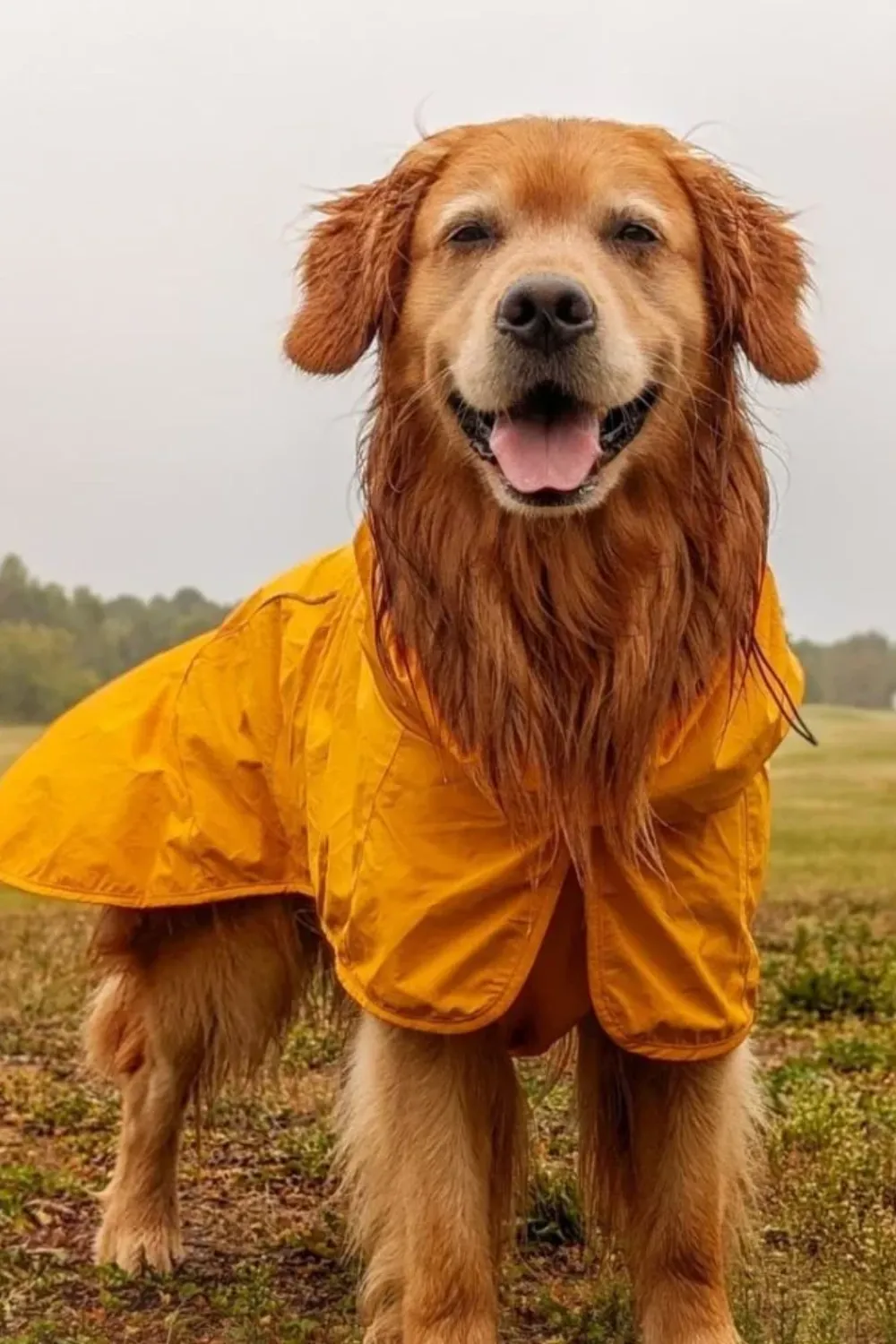
Wet is worse than cold. Dr. John Hanover warns that a coat still damp from yesterday’s walk can make a dog colder.
Most cold-weather trouble comes from small habits, like these winter mistakes dog owners make without noticing.
Signs Your Dog Is Cold
Trust your dog over the thermometer. Watch for shivering, a tight curl, lifted paws, slowing down, or refusing to walk.
If your dog turns weak or sluggish, bring them inside, dry them off and call your vet.
Older dogs chill faster too, so these senior dog care tips are worth a read.
Getting the Jacket Right
Snug, but free to move. It should cover the neck and, for low-slung dogs, the belly. A waterproof outer layer helps in rain and snow.
Take it off once you’re indoors. Dogs overheat quickly in a warm house.
Keep it on for quick bathroom breaks too.
If your dog hates it, go slow. Let them sniff it, add treats, and try short walks first. And if walks have turned into a standoff, these common dog walking mistakes might explain why.
Has your dog ever refused a jacket? What finally worked? Tell me in the comments.
Why This Matters
A Petplan survey found that 88% of owners of dogs under 25 pounds dress them for the cold. For dogs over 60 pounds, it was just 47%.
That gap matters. Plenty of those big dogs have thin, short coats, and Cornell vets list short-haired dogs among the most vulnerable in winter.
The dogs who need help most are often the ones nobody thinks to dress.
One Last Thing Before the Next Walk
Not every dog needs a jacket. But check your dog’s coat, not their size.
For more dog care tips and rescue stories, visit Furry Found, and follow us on X and Facebook.
Disclaimer: This article is for informational purposes only. For your dog’s specific needs, please talk to your vet.