

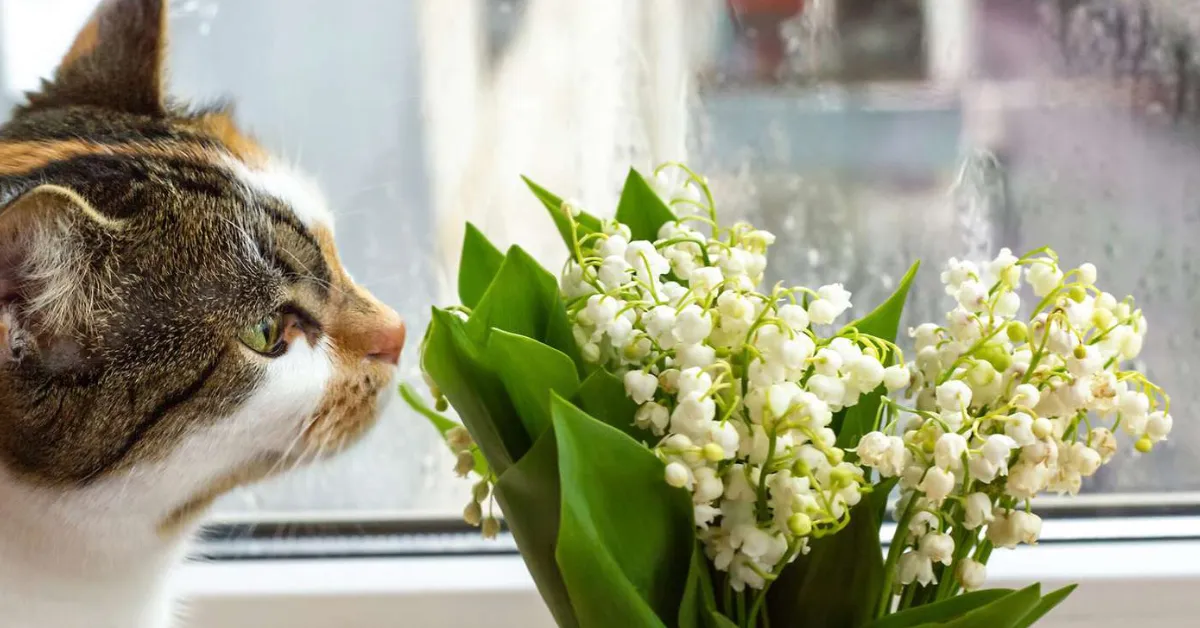
A bouquet of lilies feels like the perfect holiday gift. If you share your home with a cat, it can turn into a quiet emergency.
I’m talking about true lilies like Easter, tiger and stargazer lilies, plus daylilies. A cat doesn’t need to eat much for things to go wrong.
And the scary part is how normal she can look at first.
Why Lilies Are So Dangerous for Cats
Every part of the plant is toxic. That means petals, leaves, stem, pollen, and even the water in the vase. Most owners miss the pollen. It drops on the table or brushes onto your cat’s fur. She grooms herself, and that’s enough.
Vets still haven’t pinned down the exact toxin. We do know it affects cats, not dogs. Dogs may get an upset stomach, but not the kidney failure cats face.
Peace lilies and calla lilies are not true lilies. They cause different problems and don’t lead to kidney failure.
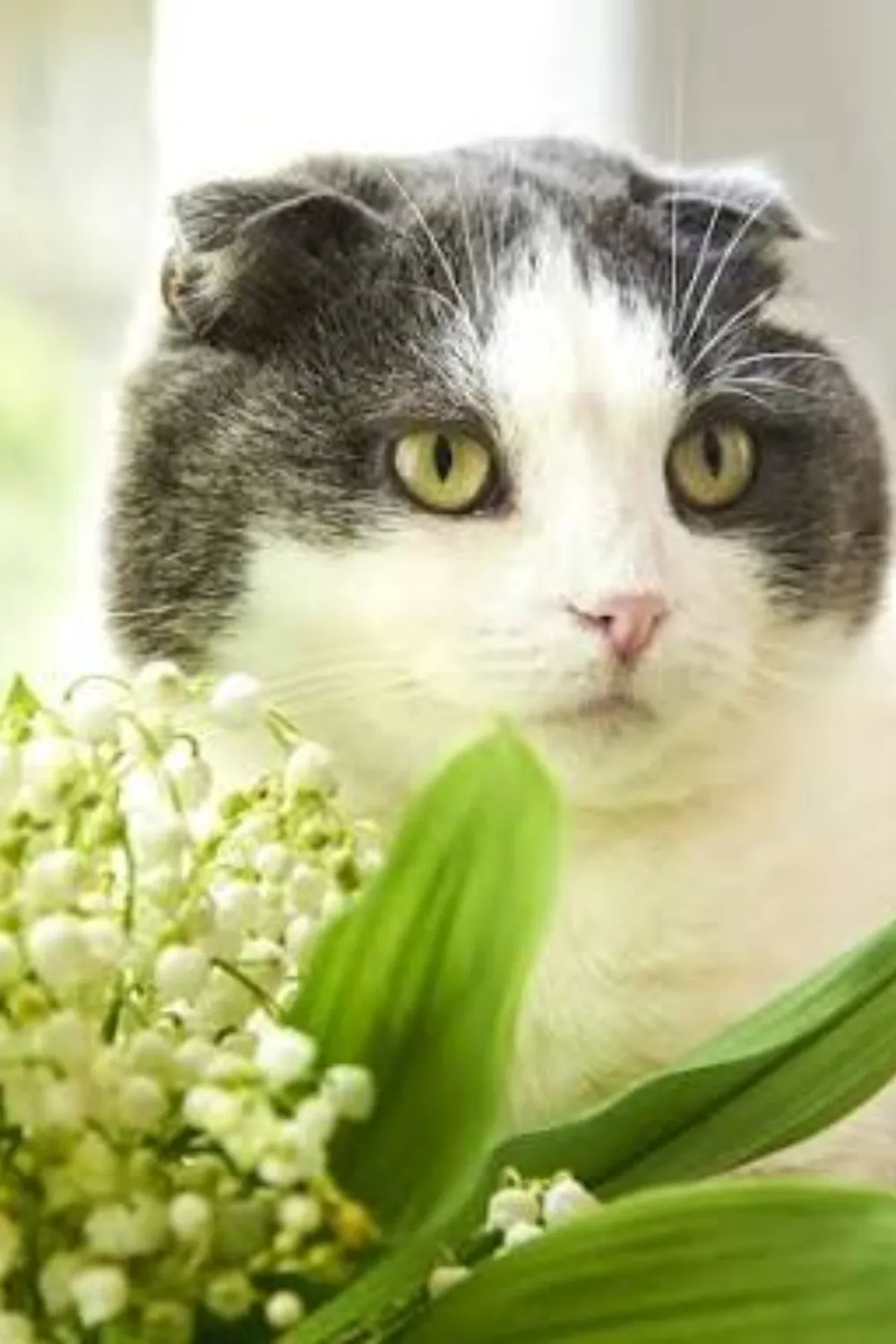
The Symptoms Can Fool You
Early signs are easy to brush off: drooling, vomiting, less appetite, unusual tiredness. Tiredness and a poor appetite are also common signs of illness that people mistake for a mood problem, so many owners wait too long.
Then the signs can fade for a while. It’s the same trap as a cat bite that looks minor: the surface tells you little about what’s happening underneath.
Your cat seems better, but her kidneys may still be taking damage.
So don’t wait to see what happens. If your cat chewed a lily, licked pollen, or sipped vase water, call your vet or an emergency clinic right away. Even if she seems fine.
Take a photo of the plant with you so the vet can identify it fast. Don’t try to make your cat vomit at home. You can also call the ASPCA Animal Poison Control Center at (888) 426-4435, though a fee may apply.
Why This Matters
Time decides how this ends. According to the FDA’s guidance on lilies and cats, signs of kidney damage start about 12 to 24 hours after ingestion. Kidney failure can follow within 24 to 72 hours.
If treatment is delayed by 18 hours or more, the damage is generally irreversible. Early veterinary care greatly improves the outcome.
That 18-hour window is why “let’s see if she’s okay tomorrow” is the riskiest plan you can make.
What to Put on the Table Instead
You don’t have to give up holiday color. Veterinarians quoted by Parade Pets suggest Christmas cactus, orchids, African violets and Boston ferns.
Poinsettias are usually a milder risk, causing mouth irritation or an upset stomach. Still, keep them out of paw’s reach. If someone gifts you a mixed bouquet, check every stem. One lily hiding in the middle is enough to cause trouble.
Holiday hazards don’t stop at flowers either. Our Halloween safety tips for cats, from costumes to candles show how many everyday decorations carry risk.
Which cat-safe plant do you keep at home? Tell me in the comments, because your pick might help another cat parent.
Before the Next Bouquet Comes Home
Lilies are beautiful, but they’re not worth the risk in a home with a cat. Skip them, check gifted bouquets, and call a vet fast if your cat gets near one.
For more cat care tips and stories, follow Furry Found on X and Facebook.
Disclaimer: This article is for informational purposes only.