

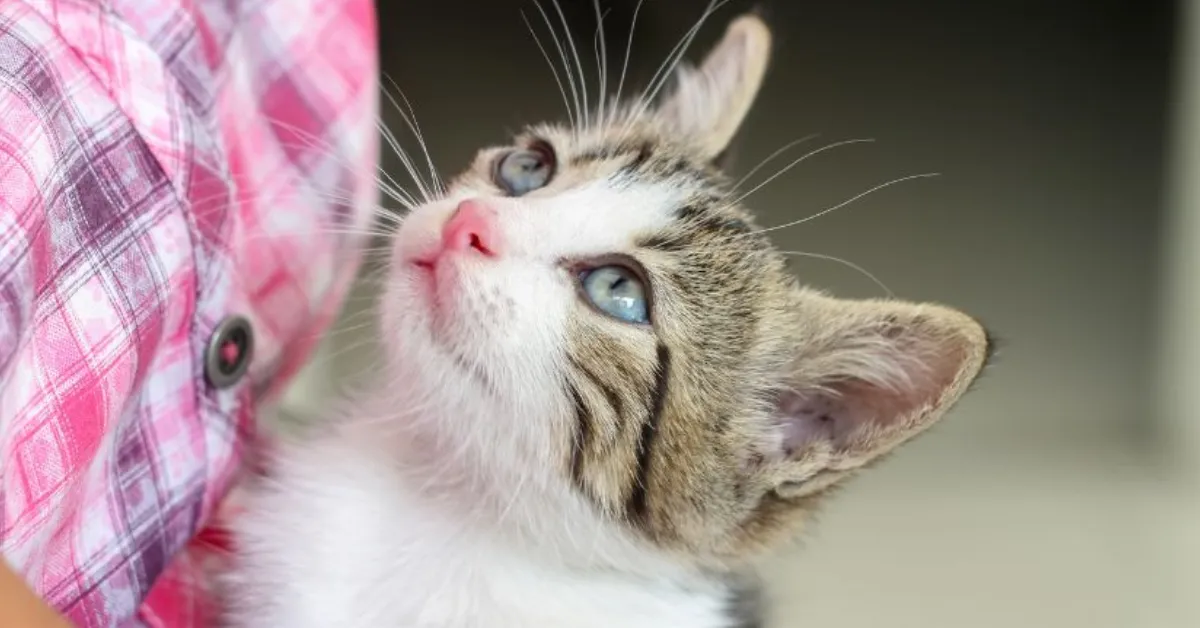
You look up from your phone and your cat is already watching you. Not blinking. Not moving. I get why it feels a little strange.
Here’s the good news: most of the time, it’s completely normal. But sometimes a stare is more than a stare, so let me show you how to tell the difference.
Why Your Cat Keeps Staring at You
- They want something. Dinner, playtime, or an open door. If a stare ever got your cat a treat, it learned fast. Cats repeat what works.
- They’re curious. You’re the most interesting thing in the house. Cooking, typing, opening a package: it’s all free entertainment.
- They trust you. A relaxed cat with soft eyes is just keeping you company. Cats also blink less than we do, so a steady gaze isn’t automatically a problem.
- They’re on watch. Cats are alert by nature. That’s why you sometimes catch them watching while you sleep.
How to Read the Stare
Look past the eyes and check the body.
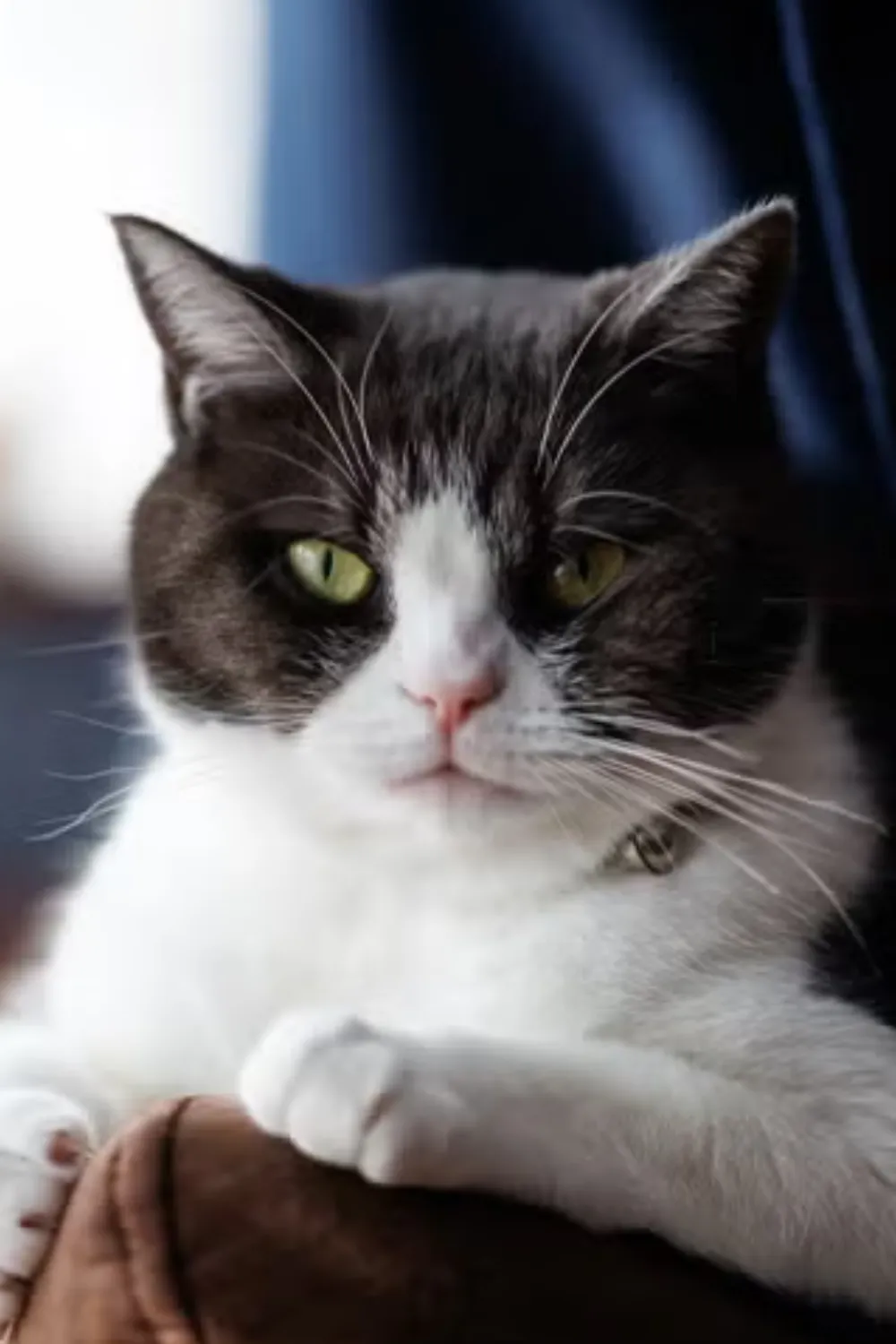
Soft eyes, relaxed ears, and a slow blink usually mean affection. A University of Sussex study found that cats were more likely to slow-blink back when their owners slow-blinked first. Try it tonight. It costs nothing.
A hard, unblinking stare with a stiff body is different. Cats can read that as a challenge, so don’t stare back. Look away or blink slowly instead.
When the Stare Means Something Else
A stare that is new, constant, or just “off” deserves attention. Doggodigest also notes that a glassy, unfocused look, or dilated pupils along with hiding, aggression, or loss of appetite, can point to discomfort or illness.
Watch for these:
- Staring at a wall or into space and ignoring their name
- Pupils that stay wide even in bright light
- Staring followed by confusion or wobbling
- Night-time yowling or litter box accidents in an older cat
- Hiding, eating less, or acting out of character
If you think it’s a seizure, don’t shake or shout. Keep your cat safe, film it, and call your vet. That video helps more than you’d think.
Cats are also good at hiding pain. Even your cat’s teeth can look fine and still be a problem, so a small change in behavior is worth noticing early.
Stress and boredom can show up as staring too. Cats mind being left alone more than most people think, and a long, quiet day can turn into a very intense evening gaze.
Has your cat ever stared at a wall and made you nervous? Tell me what you saw in the comments. Your story might help another cat owner spot it sooner.
Why This Matters
Age changes the picture. According to Today’s Veterinary Practice, 28% of cats aged 11 to 14 showed age-related behavior changes. That number rose to 50% in cats aged 15 and older.
Many owners write it off as “just getting old.” Sometimes it is. But most signs of cat depression are also signs of illness, so it’s always worth a check.
Over to You
Most stares are love, hunger, or plain curiosity. Know your cat’s normal, and trust your gut when it shifts.
For more cat care tips and rescue stories, visit Furry Found. We also share new stories on X and Facebook, so follow along and say hi.
Disclaimer: This article is for informational purposes only and is not a substitute for professional veterinary advice. If you’re worried about your cat’s health, please consult your vet.