

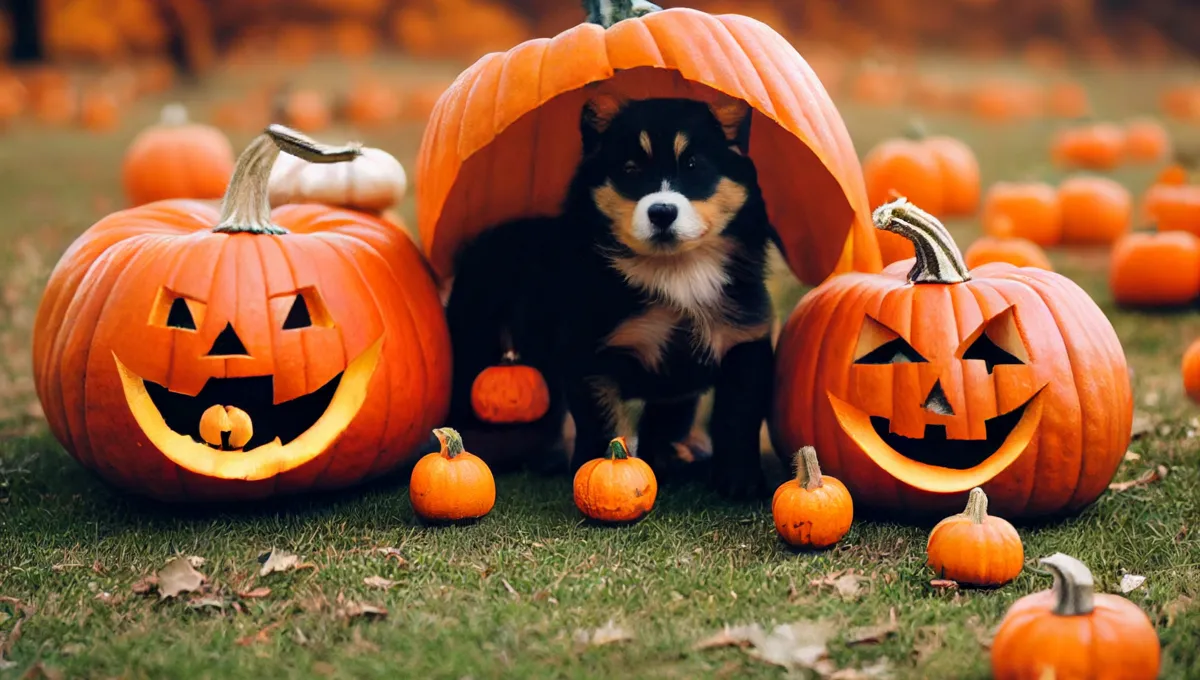
Most Halloween emergencies are preventable. The ones that aren’t usually happen because nobody saw them coming.
Here are 10 tips that cover the risks most people miss.
1. Lock Up All Chocolate, Not Just the Obvious Pieces
Chocolate is the most common Halloween call to poison control. In 2024, it made up 13.6% of all ASPCA Animal Poison Control Center cases.
Darker chocolate is more dangerous. Baking chocolate has the highest concentration of theobromine, which dogs can’t metabolize safely. If your dog eats any amount, don’t wait for symptoms. Call (888) 426-4435 immediately.
2. Check Every Candy Label for Xylitol
Xylitol is actually more toxic to dogs per milligram than chocolate, and it hides in sugar-free gum, candies, and some peanut butters.
One piece of xylitol gum can cause severe hypoglycemia in a small dog. The label may say “sugar alcohol” instead of xylitol. Read it anyway.
Knowing what’s in your dog’s food matters year-round, not just on Halloween. A Cedar City family lost their dog when a vet allegedly gave the wrong injection during a routine visit, a reminder that being informed about what goes into your dog’s body is always worth it.
3. Pick Up Candy Wrappers as You Go
Foil and cellophane wrappers can lodge in a dog’s digestive tract and require surgery to remove. This is not a minor risk.
Don’t leave trick-or-treat bags on the floor. Don’t let wrappers pile up. Collect them in real time.
4. Treat Raisins Like Poison, Because They Are
Some households hand out raisins as a “healthier” alternative. For dogs, there is no safe amount of raisins or grapes. Even a small box can cause acute kidney failure.
Check your dog’s trick-or-treat haul if kids bring it inside.
5. Check Every Part of the Costume Before It Goes On
As AKC’s Dr. Jerry Klein outlines in his Halloween dog safety guide, buttons, beads, ribbons, and elastic are all choking hazards. So is anything that restricts your dog’s vision, breathing, or hearing.
The real test: if a piece could be chewed off and swallowed, it shouldn’t be on the costume.
6. Store Glow Sticks Away From Dogs
Glow sticks aren’t lethal but the liquid inside causes mouth irritation, pain, and excessive drooling. Kids leave them on the floor. Dogs find them.
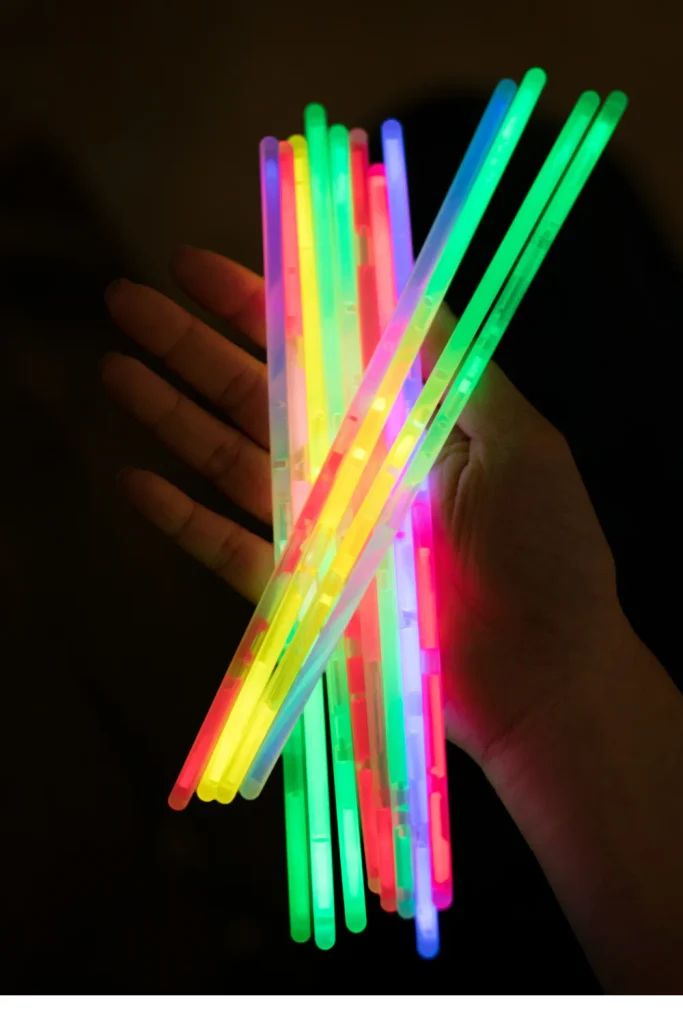
If your dog chews one, rinse their mouth with water and call your vet if symptoms continue.
7. Set Up a Quiet Space Before the Doorbell Starts
A dog that’s fine with guests can still hit a wall with constant doorbells, strangers in costumes, and crowds. Set up their crate or a quiet room before the evening starts.
White noise or a fan helps more than people expect.
Smoke inhalation is another hidden danger dogs face indoors. A Pasadena dog survived a house fire after firefighters found him hiding under a table, unconscious from smoke. Dogs instinctively hide when they’re scared, Halloween or not.
8. Double-Check ID Tags and Microchip Registration Tonight
Front doors open and close dozens of times on Halloween. That’s dozens of escape opportunities.
Check that your dog’s collar tag is readable and that their microchip is registered with current contact information. Do it before October 31.
9. Walk Before Dark
Halloween sidewalks collect candy, wrappers, and debris. Walking your dog after dark means competing with everything on the ground.
Outdoor hazards can escalate fast. When two dogs fell into a Tempe canal and couldn’t get out, it took a rope and quick thinking to save them. Night walks near water or busy roads on Halloween deserve extra attention.
If an evening walk is unavoidable, use a reflective leash or clip a glow light to the collar.
10. Give Your Dog Their Own Treat
Plain cooked pumpkin flesh, apple slices without seeds, or a frozen xylitol-free peanut butter Kong all work. A dog who has their own treat during peak doorbell hours is a calmer dog.
Keep them occupied. It solves more than one problem on this list.
Why This Matters
Halloween is consistently one of the busiest nights of the year for pet poison control. According to the ASPCA’s 2024 poison control report, the center handled more than 451,000 calls in 2024 alone, a nearly 4% increase from the prior year. Chocolate holidays like Halloween drive clear spikes in that volume.
None of these calls are inevitable. A locked candy bowl, a quiet room, and a checked ID tag prevent most of them.
Key Takeaways
- Chocolate and xylitol are the top two candy risks; ASPCA Poison Control is (888) 426-4435.
- Candy wrappers and raisins are just as dangerous as the candy itself.
- Costume pieces must not restrict breathing, vision, or hearing.
- A quiet room and white noise are the simplest fix for Halloween stress.
- Check ID tags and microchip registration before October 31.
One Last Thing
Which of these did you already know, and which one surprised you? Tell me in the comments. Follow Furry Found on X and our Facebook page for more practical pet guides like this.
Disclaimer: This article is for informational purposes only and is not a substitute for veterinary advice.